Hiker falls through frozen lake in Pyrenees: 19-year-old rescued with hypothermia in Posets-Maladeta
By Dora Urbancsek • Published: 06 Apr 2026 • 9:40 • 2 minutes read
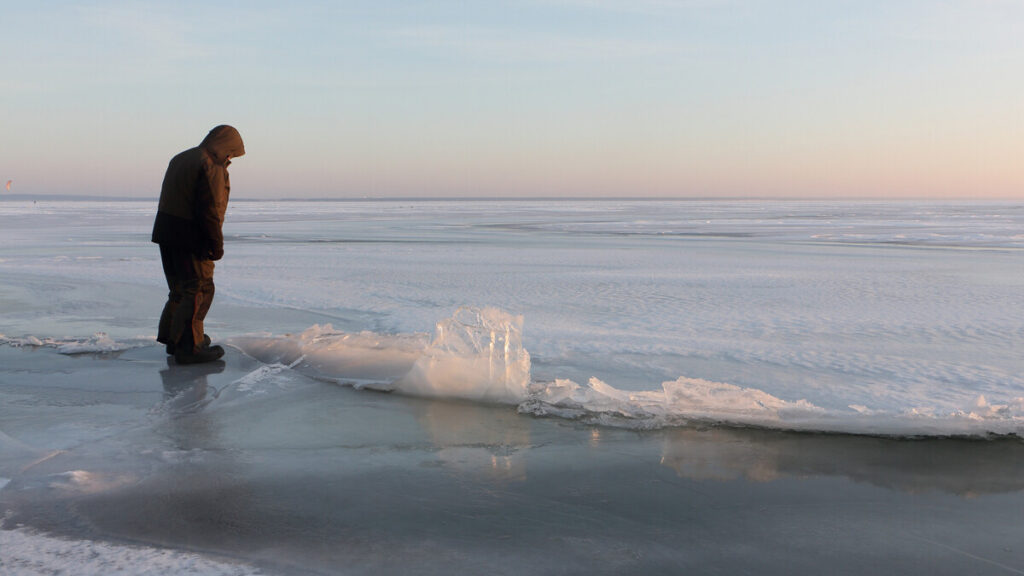
Spring conditions in the Pyrenees can leave mountain lake ice dangerously unstable Credit: Shutterstock/NATALIIA MAKAROVA
A 19-year-old hiker was rescued with hypothermia this Sunday, April 5, 2026, after falling through the ice of a frozen lake in the Posets-Maladeta Natural Park. The incident at Plan de Están is one of 11 mountain rescues carried out by the GREIM (Guardia Civil) in just four days across the Aragonese Pyrenees. For hikers and visitors, the immediate consequence is a high-risk “thaw period” where high-altitude lakes (ibones) appear solid but collapse instantly under weight. Authorities are strictly advising against crossing any frozen surfaces as rising spring temperatures weaken the ice from below, leading to a record spike in 2026 emergency helicopter deployments.
What exactly happened in the Pyrenees
The accident took place in the Plan de Están area, inside the Posets-Maladeta Natural Park, one of the most visited hiking regions in the Spanish Pyrenees. According to emergency reports, the ice layer covering the lake broke unexpectedly as the hiker walked across it. He was later rescued and evacuated safely, with what authorities described as mild hypothermia symptoms. Rescue teams from the Guardia Civil mountain unit carried out the operation using specialised equipment suited to high-altitude terrain. Although the injuries were not life-threatening, the situation could have escalated quickly due to the cold conditions and the remote location.
Not an isolated case: a surge in mountain rescues
This incident forms part of a wider pattern seen over the Easter period. Authorities confirmed that eleven mountain rescues were carried out in just four days across the Aragonese Pyrenees. The cases involved a range of situations, including falls, fractures, exhaustion and people becoming trapped in difficult terrain. In several cases, helicopters and medical teams had to be deployed. What makes the frozen lake accident particularly striking is that it highlights a risk many people underestimate at this time of year.
Why frozen lakes become dangerous in spring
At first glance, frozen mountain lakes often look completely safe. The surface can appear solid, stable and even inviting as a shortcut across the landscape. However, spring conditions make them far more unpredictable than they seem. As temperatures rise, the ice begins to weaken from below while still appearing intact on the surface. This creates a dangerous illusion, where the ground beneath your feet can collapse without warning.
Even within the same lake, the thickness of the ice can vary significantly. Areas exposed to sunlight tend to deteriorate faster, and layers of snow can hide cracks or thinner sections. The result is a surface that looks reliable but can fail instantly under weight.
A wider warning from authorities
Following the recent increase in rescues, authorities have reinforced the importance of preparation and caution in mountain areas. The surge in incidents has not been caused by unusual conditions, but by a combination of high visitor numbers and a lack of awareness about how quickly landscapes can change. The mountains remain open and accessible, but they demand careful planning and respect regardless of the season.
Sign up for personalised news
Subscribe to our Euro Weekly News alerts to get the latest stories into your inbox!
By signing up, you will create a Euro Weekly News account if you don't already have one. Review our Privacy Policy for more information about our privacy practices.



Dora Urbancsek
Dora Urbancsek is an SEO writer with over eight years of experience producing high-quality, search-optimised journalism and digital content. Based in Spain for more than five years, she covers a wide range of topics concerning Spain and Europe, including current affairs, community stories, culture, and lifestyle. Dora is known for accurate, well-researched reporting that keeps readers informed and engaged.
Comments