British house hunters searching for a foothold in Mallorca are being urged to act fast, as newly released data pinpoints the island’s most affordable locations, while also highlighting just how expensive the wider market has become.
According to fresh figures from property platform Idealista, the north Mallorca town of Sa Pobla currently offers the lowest average house prices on the island at €2,487 per square metre, less than half the island-wide average.
But while that headline figure may sound like a bargain, it sits within a market that continues to surge, reshaping what “affordable” really means in one of Europe’s most desirable destinations.
The cheapest place to buy in Mallorca right now
For British buyers priced out of coastal hotspots, Sa Pobla is emerging as a key opportunity.
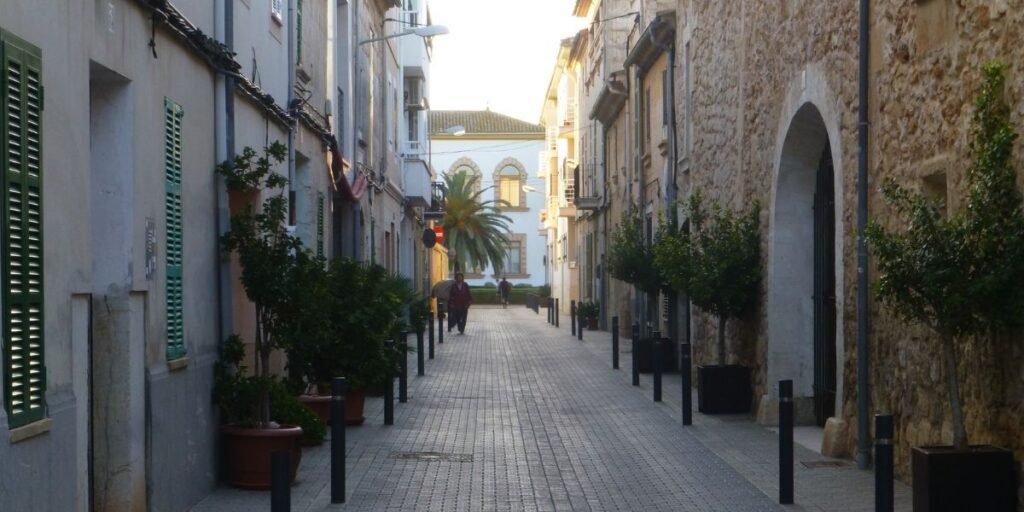
Located in the Raiguer region in the north of the island, the town combines traditional Mallorcan charm with strong infrastructure, including rail links and easy access to Alcúdia Bay beaches.
At €2,487 per square metre, it ranks as the cheapest municipality in Mallorca based on February 2026 data.
Other relatively affordable areas include:
- Felanitx – €2,560/m²
- Inca – €2,591/m²
- Porreres – €2,592/m²
- Muro – €2,690/m²
These towns are largely inland or less tourist-driven, offering more space and traditional housing stock, often appealing to buyers seeking authenticity over sea views.
The reality: Mallorca is still one of Europe’s priciest markets
Even the “cheapest” towns must be viewed in context.
Across Mallorca, the average property price has now reached approximately €7,370 per square metre in 2026, almost three times the cost of Sa Pobla.
This reflects a 9.8% annual increase, continuing a long-term trend that has seen prices rise by around 97% since 2015.
In premium areas, particularly the southwest, prices are approaching €10,000 per square metre, reinforcing the island’s position as a luxury-dominated market.
For comparison, the average property price in the Balearics is now estimated at around £402,140, significantly higher than the UK average of £271,188.
Palma’s affordability crisis highlights the divide
The contrast between inland “value” and urban or coastal pricing is stark.
In Palma, buyers now need to spend around 46% of average household income to purchase a property, well above the recommended 30% affordability threshold.
This makes it the most expensive city in Spain relative to income, underlining how inaccessible the market has become for many residents.
At the same time, lower-end properties are disappearing, now accounting for just over 6% of available housing stock, while luxury homes continue to grow in share.
Why British buyers are still looking to Mallorca
Despite rising costs, demand from UK buyers remains strong and Mallorca continues to sit high on wish lists.
The appeal is clear: a stable property market, strong rental potential, and a lifestyle offering that blends beaches, culture and year-round sunshine.
Tourism also plays a role. With around 15.7 million visitors recorded in 2025, demand for second homes and investment properties remains consistently high.
However, competition is intensifying, with international buyers dominating the higher end of the market and driving price growth across all segments.
Growing pressure on housing and potential restrictions
The surge in foreign demand is not without controversy.
Approximately 90,000 homes in the Balearics are owned by non-Spaniards, around 16% of total housing stock, fueling concerns about accessibility for locals.
This has prompted political debate, including proposals to restrict property purchases by non-residents unless they have lived on the islands for at least five years.
At the same time, authorities are tightening rules around holiday rentals in an effort to free up housing supply and curb price inflation.
A shrinking window for “affordable” Mallorca
For British house hunters, the takeaway is clear: opportunities still exist but they are narrowing.
Towns like Sa Pobla, Felanitx and Inca offer a rare entry point into a market that is otherwise defined by high prices and limited supply. Yet with overall values continuing to rise and lower-cost properties becoming scarcer, these areas are unlikely to remain under the radar for long.
Mallorca may still offer relative bargains but only for buyers willing to look beyond the postcard coastline and act before the rest of the market catches up.



Lottie Verrier
Lottie Verrier is a journalist and digital media specialist based in Mallorca. After a decade in London media, including a role as Deputy Editor for the MailOnline’s eCommerce division, she now combines her editorial expertise with a passion for the island to create engaging content that celebrates the best of life in Spain. Instagram @lottieinmallorca
Comments