New anisakis alert in Spain linked to fresh fish like mackerel: what you should check now
By Dora Urbancsek • Updated: 07 Apr 2026 • 11:53 • 2 minutes read
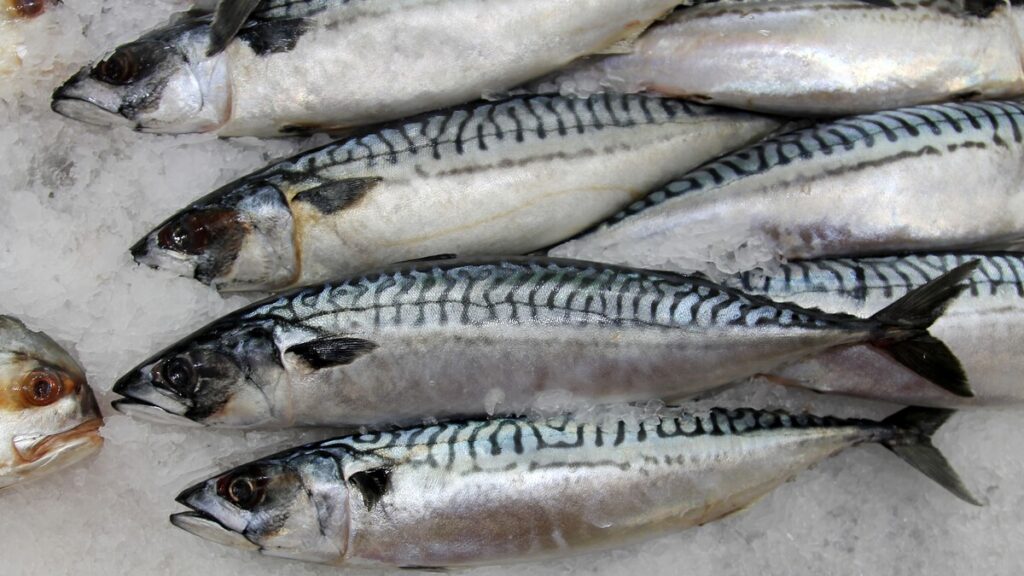
A new anisakis alert has raised concerns around fresh fish such as mackerel Credit: Shutterstock/mikeledray
The EU Rapid Alert System (RASFF) has issued a new safety notification this April 2026 (Ref: 2026.2886) after Anisakis larvae were detected in fresh Spanish mackerel. The alert follows similar 2026 findings in hake and chilled fish muscle, highlighting a widespread risk in wild-caught species. For shoppers and residents, the immediate consequence is a mandatory change in kitchen habits: AESAN (Spanish Food Safety Agency) now advises freezing fish for at least 5 days at -20°C or lower if it is to be consumed raw (such as boquerones). While thorough cooking above 60°C kills the parasite, the 2026 spike in alerts proves that visual inspection alone is no longer a reliable safety measure.
Which fish carries the highest risk
Anisakis is not limited to one single species. It can be found in a wide range of fish and seafood, particularly those caught in the wild. According to food safety authorities and recent studies, the fish most commonly associated with anisakis include:
- Hake
- Anchovies (especially in vinegar)
- Sardines
- Mackerel
- Horse mackerel
- Cod
- Squid and other cephalopods
Recent research in Spain highlights that commonly consumed species such as hake and cod show a notable presence of the parasite, although proper cooking significantly reduces the risk. At the same time, newer studies published in 2026 show that the perception of anisakis risk is growing among consumers, influencing how often people buy and eat fish.
Why more people are hearing about anisakis now
Anisakis is not a new issue, but it is becoming more visible again. Recent research has shown that the parasite remains widespread in commonly consumed fish in Spain, particularly species like hake and cod, which are staples in many households.
At the same time, newer studies in 2025 and 2026 suggest that reported cases and consumer awareness are both increasing, partly due to better detection methods and more frequent food safety controls. Researchers have also noted that anisakis is now one of the most commonly reported fish-borne parasites in Europe.
Health authorities warn that the parasite can cause digestive symptoms and allergic reactions if consumed alive. This usually happens when fish is eaten raw or not properly prepared, including dishes such as sushi, ceviche and boquerones en vinagre. Recent alerts from Spain’s food safety agency have also pointed to cases involving prepared fish products like marinated anchovies, bringing the issue back into focus for consumers.
How to handle fish safely at home
The key point is that anisakis can be prevented with proper handling. Health authorities advise cooking fish thoroughly at temperatures above 60°C, or freezing it at -20°C for at least 24 hours if it will be eaten raw or undercooked. It is also recommended to avoid consuming raw fish in settings where preparation standards are unclear. These steps are enough to kill the parasite and make the fish safe to eat. In supermarkets and restaurants, many products are already subject to freezing regulations, especially those intended for raw consumption.
Is this affecting supermarkets or restaurants?
Most commercial establishments already follow strict rules, including freezing requirements. The biggest risk comes from homemade or improperly prepared dishes.
Is anisakis visible in fish?
Sometimes, but not always. The larvae can be small and difficult to detect, which is why proper preparation is essential.
A known risk that is not going away
Anisakis has been considered a public health issue for years, and it is not expected to disappear. As long as fish remains a key part of the Spanish diet, the focus will remain on prevention rather than elimination. Fish is still safe to eat, but how you prepare it matters more than ever.
Sign up for personalised news
Subscribe to our Euro Weekly News alerts to get the latest stories into your inbox!
By signing up, you will create a Euro Weekly News account if you don't already have one. Review our Privacy Policy for more information about our privacy practices.





Dora Urbancsek
Dora Urbancsek is an SEO writer with over eight years of experience producing high-quality, search-optimised journalism and digital content. Based in Spain for more than five years, she covers a wide range of topics concerning Spain and Europe, including current affairs, community stories, culture, and lifestyle. Dora is known for accurate, well-researched reporting that keeps readers informed and engaged.
Comments