What Ryanair cuts mean for travellers in Spain in 2026
By Molly Grace • Updated: 07 Apr 2026 • 16:36 • 4 minutes read
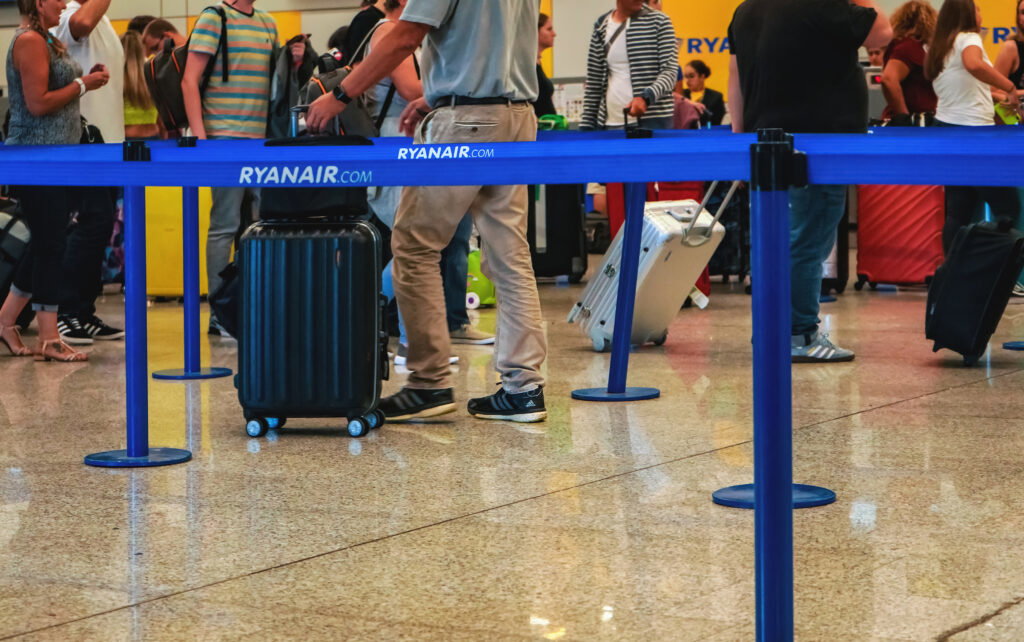
The reduction in flight availability is impacting a wide range of travellers within Spain. Photo credit: Lubo Ivanko/Shutterstock
Passengers travelling to and from Spain are beginning to feel the effects of Ryanair’s reduced flight availability, with changes to schedules altering how journeys are planned and completed.
For many travellers, the most noticeable difference is the loss of direct routes that were previously used for regular trips. Journeys that once involved a single flight may now require a connection, adding both time and complexity. This is particularly affecting those travelling to or from regional Spanish airports, where alternative direct services are limited.
Longer and less predictable journeys
One of the clearest changes is the increase in travel time. Passengers who previously flew point-to-point are now finding themselves routing through larger airports such as Madrid, Barcelona or Málaga. A journey that once took a few hours can now take most of the day when transfers and waiting times are included.
Connections also introduce more uncertainty. Delays on the first leg of a journey can lead to missed onward flights, especially where schedules are tight. With fewer services operating, the next available flight may not be until later the same day or even the following day.
For those travelling for work, visiting family, or on short holidays, this added unpredictability can be difficult to manage. Even domestic trips within Spain now require more careful planning to avoid disruption.
Fewer options when booking
Passengers are also encountering reduced flexibility when choosing Ryanair flights. Where multiple departures once existed, there may now be only one option, or services may operate on fewer days each week.
This has a direct impact on how trips are organised. Travellers may need to adjust departure dates to match limited availability, rather than selecting flights that suit their schedule. Weekend travel, in particular, can be harder to arrange where frequencies have been reduced.
Booking later can also carry more risk. With fewer seats available, flights are more likely to fill up, especially during busy periods such as school holidays. This can leave passengers with limited alternatives or force them to consider less convenient routes.
Who does it affect
The reduction in Ryanair flight availability is impacting a wide range of travellers within Spain. Regional airports, previously convenient for domestic and short-haul international travel, are among the hardest hit. Residents of smaller cities or towns now face longer journeys to reach major airports in order to complete their trips.
Both leisure and business travellers are affected. Expats living in Spain, holidaymakers, and frequent flyers must navigate more complex itineraries, while those travelling to less-accessible tourist destinations may encounter fewer direct options. In some cases, longer connections and reliance on major hubs can also increase travel costs and time commitments.
Higher overall travel costs
Although ticket prices vary, the overall cost of travel may increase for some passengers. When direct flights are no longer available, indirect routes often involve multiple tickets or different airlines, which can be more expensive.
Additional costs can also arise from longer journeys. Travellers may need to pay for meals during extended layovers or arrange overnight accommodation if connections are not available on the same day. Ground transport costs may also rise if passengers need to travel further to reach a departure airport. For families or those travelling regularly, these added expenses can quickly accumulate.
Greater reliance on larger airports
As travel patterns shift, larger airports are becoming more central to journeys within Spain. Passengers who previously used smaller regional airports may now need to travel to major hubs to access a wider range of flights.
This can involve longer journeys to the airport itself, whether by car, train or coach. In some cases, the time spent reaching the airport may exceed the duration of the flight that follows. Larger airports can also mean busier terminals, longer queues and more time needed for check-in and security. While they offer more connections, the overall experience may feel less straightforward than travelling from a smaller local airport.
What passengers should do
Travellers can take several practical steps to manage these changes.
Checking flight schedules early is essential. Routes and frequencies may differ from previous years, so it is important to confirm details before making plans. Booking in advance can help secure seats on preferred flights and avoid last-minute price increases.
Allowing extra time for travel is also advisable. This includes building in longer connection times where indirect routes are necessary, reducing the risk of missed flights.
Flexibility can make a significant difference. Being open to travelling on different days or using alternative airports may provide more options and help keep costs down. Passengers should also review their rights before travelling. In the event of a cancellation, airlines are required to offer a refund or an alternative journey. Keeping records of bookings and receipts can make it easier to claim expenses if plans are disrupted.
Adjusting to a different way of travelling
The changes to Ryanair flight availability are reshaping how people move to, from, and within Spain. Direct routes are less common in some areas, and journeys increasingly involve additional steps.
For passengers, this means planning ahead, allowing more time and considering a wider range of travel options. While flying remains accessible, the process is becoming less straightforward for those who rely on routes that are no longer operating as they once did. As schedules settle, travellers will need to adapt to these conditions, approaching trips with greater preparation and flexibility than before.
Sign up for personalised news
Subscribe to our Euro Weekly News alerts to get the latest stories into your inbox!
By signing up, you will create a Euro Weekly News account if you don't already have one. Review our Privacy Policy for more information about our privacy practices.





Molly Grace
Molly is a British journalist and author who has lived in Spain for over 25 years. With a background in animal welfare, equestrian science, and veterinary nursing, she brings curiosity, humour, and a sharp investigative eye to her work. At Euro Weekly News, Molly explores the intersections of nature, culture, and community - drawing on her deep local knowledge and passion for stories that reflect life in Spain from the ground up.
Comments