Have we been ripped off by insurers? Spain’s insurance cartel probe into insider colluding
By Adam Woodward • Published: 09 Apr 2026 • 18:05 • 2 minutes read
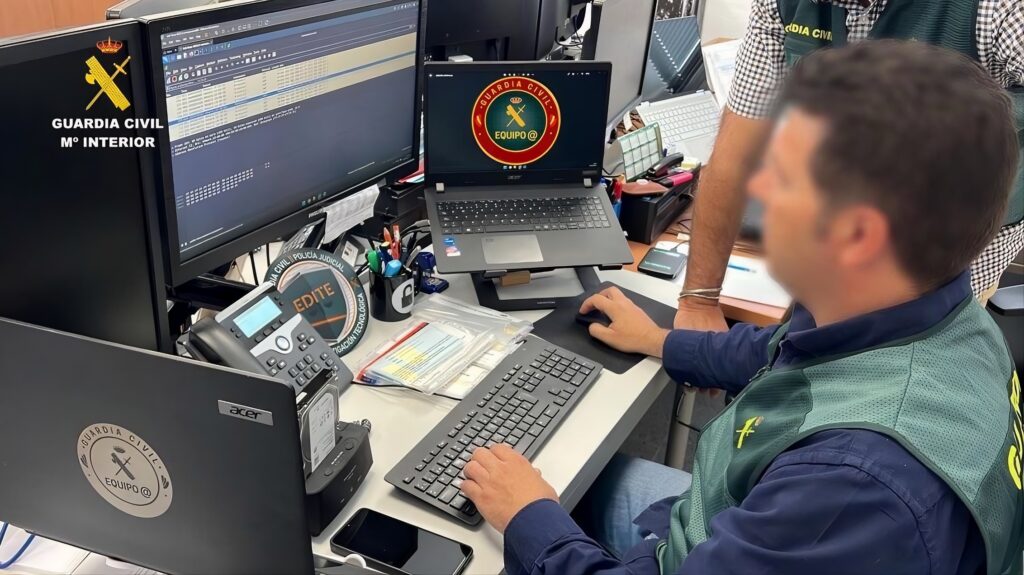
Insurance companies under investigation. Credit: GC
Spain’s competition authority has opened a sweeping investigation into suspected illegal collusion among insurers and brokers that could directly erode the value of travel and health policies held by millions of consumers in Spain. Spains’s National Markets and Competition Commission started inspections between February 24 and 26 at multiple company premises, an early but serious step that is part of growing regulatory pressure on claims handling and distribution practices across Europe.
Coordinated claims handling could leave customers short-changed
Secret agreements on compensation coverage after incidents represent one big worry. Investigators are concerned that companies may have aligned their approaches to payouts for medical emergencies abroad, trip cancellations or health-related losses. Policyholders, therefore, would face stricter assessments, reduced settlements and prolonged disputes precisely when protection matters most. Everyday travellers filing claims for lost luggage or overseas hospital bills could receive lower amounts than they deserve, whereas the correct open competition would have delivered fairer amounts, diminishing the practical worth of their premiums.
Sensitive data sharing could have trapped consumers in overpriced policies
Exchanges of customer information between insurers and brokers could have been compounding the problem. Details about past claims or risk profiles look like they may have been circulating quietly among competitors. Individuals, therefore, would struggle to get better, more competitive quotes or switch providers as a result. Premiums would then rise unfairly for those with legitimate histories while the choice narrows, locking households into policies that deliver less value over time.
Restricted professional networks weaken assistance quality
Coordination on professional fees and possible exclusion of certain experts or repairers damages service standards more. Travel insurance often depends on international medical networks and assistance providers; vetting or capping costs limits options during crises. Policyholders encounter delays in repatriation, narrower specialist access or disputes over “reasonable” expenses. Health cover similarly suffers when treatment chains operate under uniform pricing rather than competitive pressure.
Potential fines and EU-wide ripples
Any proven breaches could violate Spanish law and Article 101 of the Treaty on the Functioning of the European Union, exposing firms to fines reaching as much as 10 per cent of annual turnover. It is early days yet, which means no guilt has been established, yet the probe already highlights systemic risks in intermediated distribution models common throughout Europe’s travel and health markets.
Consumers demand fairer outcomes
Other scrutiny is now revealing rising frustration with insurance company practices in Spain. Policyholders stand to gain if authorities enforce genuine competition, pushing faster claims, transparent terms and genuinely competitive pricing. Until a resolution arrives, vigilance over policy wording and claims processes offers the best protection against hidden coordination that quietly erodes cover when it is needed most.
Sign up for personalised news
Subscribe to our Euro Weekly News alerts to get the latest stories into your inbox!
By signing up, you will create a Euro Weekly News account if you don't already have one. Review our Privacy Policy for more information about our privacy practices.



Adam Woodward
Adam is a writer who has lived in Spain for over 25 years. With a background in English teaching and a passion for music, food, and the arts, he brings a rich personal perspective to his work at Euro Weekly News. As a father of three with deep roots in Spanish life, Adam writes engaging stories that explore culture, lifestyle, and the everyday experiences that shape communities across Spain.
Comments