Palma de Mallorca Airport adds ‘Brit-only’ lanes ahead of EES rollout
By Natascha Rivera • Published: 09 Apr 2026 • 11:43 • 3 minutes read
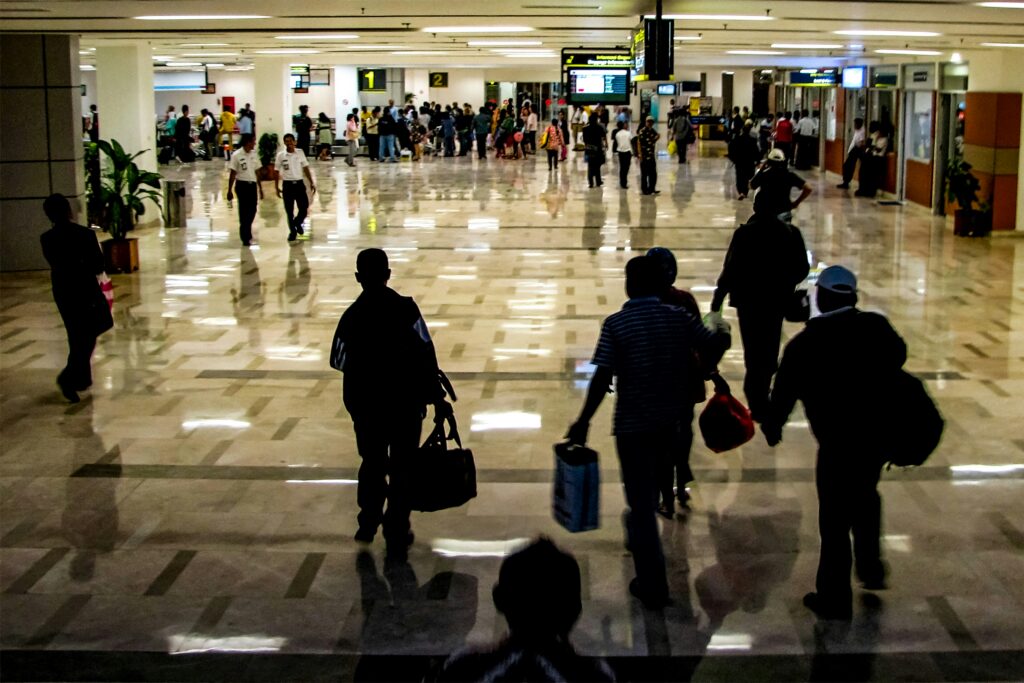
Spain prepares for EES rollout with UK-only airport lanes Photo Credit: motomoto sc / Unsplash
Ahead of the official implementation of the Entry/Exit System, or EES, Spain’s busiest holiday getaway has confirmed that it will install dedicated “non-Schengen British” lanes in order to prevent the halting of traffic. The Palma de Mallorca airport has agreed to the measure after tests showed that the first-time enrolment of the EES can take up to four minutes per passenger.
Brit-only lanes planned to reduce congestions amid holiday EES chaos
Under this plan, British tourists, who represent 26 per cent of all visitors to the Balearic Islands, will be cordoned off into standalone biometric kiosks, manned by Guardia Civil officers in order to facilitate the flow of traffic. The local chamber of commerce in the Balearic Islands has warned that, at peak traffic, queues at the busy airport have the potential to reach up to four hours.
What is the EES?
The EES, which is due to be fully implemented on Friday, April 10, has been rolling out at airports across Spain for months. The EES is an automated system for registering non-EU nationals who are crossing EU external borders for short stays. The system aims to completely replace passport stamps with digital registration of facial images, fingerprints, and travel document data, and was implemented to make travel safer and more swift, and information more accessible for officials.
System experiences growing pains: Hours-long queues and congestion at airports
However, though the EES aims to make travel quicker, the implementation of the system itself has been rocky, with airports across Spain reporting hours-long queues. The Easter holidays saw a stalling of traffic in airports all across Europe, with some airlines and airport operators reporting queues of up to two hours in some cases.
Airlines have also been complaining about the lack of efficiency for the rollout, reporting a lack of adequate staffing for the volume of people passing through the airport; problems with the airport kiosks, leading passengers to queue for a manual check; and lack of usage of pre-registration tools, meant to make it easier and faster for first-time users of the EES.
Some airlines and operators have been calling for a relaxation of the rollout of the system, but the European Commission is dead set on the April 10 implementation date for the EES.
The April 10 deadline also comes one week before a scheduled air traffic control strike is set to hit 14 airports across Spain, which is expected to disrupt air traffic, elongate queues, and cause further disruptions in various autonomous communities, including the Canary Islands, Madrid, and Valencia.
What can passengers do to avoid long queues?
While the EES is still experiencing growing pains, there are a few things passengers can do to reduce headaches.
- The early bird gets the worm. While the EES is still relatively new, there may be no way to avoid long queues as peak season arrives and new passengers register; plan for two- to four-hour queues, depending on the airport.
- Use pre-registration tools where available. Arriving early and using one of the self-service kiosks at the airport or downloading the Travel to Europe mobile app and pre-registering through it could save a lot of time waiting in queues.
- Know before you go. Check the requirements for the country you are visiting or leaving in order to make sure you have all the necessary documentation, and have them ready in-hand when they are needed.
Balearics brace for a busy tourist season
The delays are especially worrisome given that peak season has not arrived yet; during the summer season, the Balearic Islands process more than 60,000 arrivals from the UK per day. In particular, Mallorca ranked as one of the most intensely visited destinations in the world relative to its destination, with 29 visitors for every resident.
Sign up for personalised news
Subscribe to our Euro Weekly News alerts to get the latest stories into your inbox!
By signing up, you will create a Euro Weekly News account if you don't already have one. Review our Privacy Policy for more information about our privacy practices.



Natascha Rivera
Natascha is a Dominican writer based in Spain with a background in audiovisual and marketing communication. A lifelong reader and passionate storyteller, she brings a creative edge to her work at Euro Weekly News. Her multicultural perspective informs her coverage of lifestyle and community stories, offering fresh angles and relatable storytelling that connects with a diverse audience.
Comments