Spain reopens Tehran embassy in fragile ceasefire – But what about staff safety?
By Adam Woodward • Published: 09 Apr 2026 • 16:26 • 2 minutes read
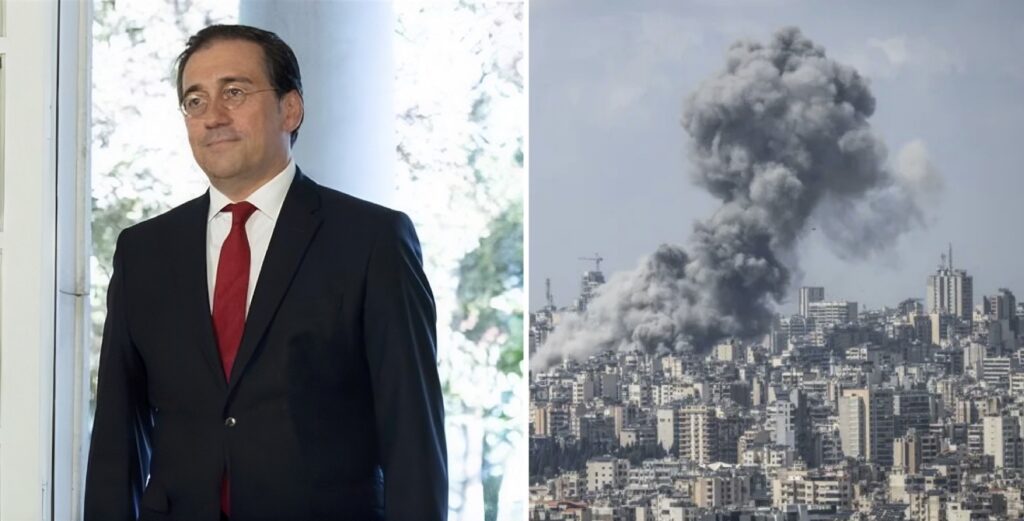
Foreign Minister José Manuel Albares & Tehran today. Credit: La Moncloa
Madrid diplomats have shown fresh engagement with Iran as regional tensions continue. No matter how many times the word “ceasefire” is announced, the missile attacks seem to keep intensifying. Foreign Minister José Manuel Albares has announced that Spain will immediately reopen its embassy in Tehran. Ambassador Antonio Sánchez-Benedito received orders to return and resume operations following temporary closure on March 7 due to airstrikes.
Diplomatic gamble on peace
Spain has been acting against many of its European partners and taking a position on the reopening as active support for peace efforts during the two-week ceasefire involving the United States, Israel, and Iran. Albares has stressed the need to contribute from every possible channel, explicitly including Iran’s capital. Some describe the move as a commitment to dialogue and multilateralism at a critical juncture. Spain appears first among Western nations to take this step post-truce.
However, critics highlight the fragile nature of the ceasefire and ongoing volatility across the Middle East. Relations with Israel remain strained after Spain’s permanent withdrawal of its ambassador from Tel Aviv.
Danger money questions for embassy staff
No details have emerged on special hazard pay or enhanced compensation for personnel returning to Tehran. Standard diplomatic protocols usually cover high-risk postings with security measures and evacuation plans. Yet recent evacuations during active conflict raise concerns about adequate protections if hostilities resume. Staff previously left due to direct threats from airstrikes on the Iranian capital.
Divided reactions split public opinion
Supporters praise the decision as pragmatic diplomacy essential for de-escalation and regional stability. Voices sympathetic to balanced engagement argue that keeping channels open prevents isolation and aids potential influence on issues such as Strait of Hormuz security. Iranian-affiliated commentary has welcomed the initiative warmly.
Opponents accuse Spain of tilting too closely toward Tehran while criticising Israel. Israeli officials, including Gideon Saar, lambasted the move as shameless alignment without sufficient distance from Iran. Some analysts question the wisdom of rushing back as the first Western country during a short truce that could collapse quickly. Online discussions reflect sharp polarisation, with accusations of ideological bias under Prime Minister Pedro Sánchez’s government versus calls for maintaining Western unity.
Security risks are, nonetheless, still there despite the so-called pause in direct hostilities. Wider regional instability, including proxy tensions, will add layers of uncertainty for diplomats and local workers. Spain’s independent foreign policy line draws both applause for peace advocacy and razor-sharp rebukes for perceived naivety.
Sign up for personalised news
Subscribe to our Euro Weekly News alerts to get the latest stories into your inbox!
By signing up, you will create a Euro Weekly News account if you don't already have one. Review our Privacy Policy for more information about our privacy practices.



Adam Woodward
Adam is a writer who has lived in Spain for over 25 years. With a background in English teaching and a passion for music, food, and the arts, he brings a rich personal perspective to his work at Euro Weekly News. As a father of three with deep roots in Spanish life, Adam writes engaging stories that explore culture, lifestyle, and the everyday experiences that shape communities across Spain.
Comments