Alicante turns to Rabasa reservoirs to strengthen water supply
By Dora Urbancsek • Published: 10 Apr 2026 • 17:52 • 2 minutes read
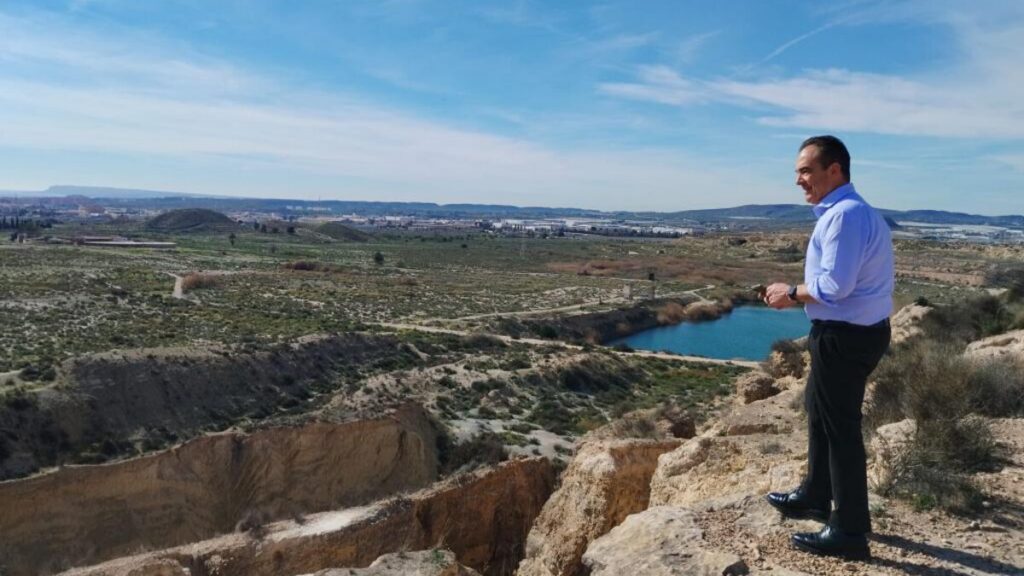
Rabasa reservoirs play a key role in maintaining stable water supply Credit: Ayuntamiento de Alicante
Alicante is placing renewed focus on its Rabasa reservoirs as part of efforts to strengthen the city’s water supply and improve long-term resilience, according to recent local reports. The development comes at a time when water management remains a key issue across southern Spain, particularly in regions like the Costa Blanca where population growth and tourism place increasing pressure on resources.
Why Rabasa is becoming more important now
The Rabasa reservoirs, located inland from Alicante city, are being positioned as a strategic reserve within the wider water supply network. Authorities are working to optimise how these reservoirs are used, ensuring they can support demand during periods of high consumption or reduced rainfall.
Rather than relying solely on traditional sources such as transfers and groundwater, the system is being adapted to incorporate multiple supply points. This includes better integration of stored water, allowing the city to respond more flexibly to fluctuations in availability. While the reservoirs have existed for years, their role is now becoming more central as infrastructure planning evolves to meet modern demand.
What this could mean for daily life in Alicante
For residents in Alicante and surrounding areas, the shift signals a move towards more stable and predictable water access. Although no immediate restrictions have been announced, strengthening reserves reduces the risk of future supply issues during dry periods.
For expats and property owners, particularly those considering long-term investment in the region, water security is an increasingly important factor. Reliable infrastructure supports property values, tourism activity, and overall quality of life. This is especially relevant in coastal areas where seasonal demand can rise sharply during the summer months.
A wider shift in how Spain manages water
Across Spain, water strategy is moving away from short-term fixes towards more structured, long-term planning. Alicante’s approach reflects this broader trend, focusing on diversification rather than dependence on a single source.
By reinforcing the role of Rabasa reservoirs, the city is creating a buffer that can absorb pressure during peak demand periods. This works alongside existing systems such as desalination and regional water transfers, forming a more balanced network.
What to watch next in Alicante’s water plans
Further improvements to the Rabasa system are expected as part of ongoing infrastructure planning. While detailed timelines have not been fully outlined, the direction is clear: increasing efficiency, improving storage capacity, and ensuring reliable distribution across the network. For now, the reservoirs are becoming a more visible part of Alicante’s water strategy. As pressure on resources continues, their role is likely to grow in importance.
For residents, this may not lead to immediate changes in daily life, but it represents a longer-term shift. One that aims to ensure that, even in challenging conditions, Alicante remains a place where water supply can keep pace with demand.
Sign up for personalised news
Subscribe to our Euro Weekly News alerts to get the latest stories into your inbox!
By signing up, you will create a Euro Weekly News account if you don't already have one. Review our Privacy Policy for more information about our privacy practices.



Dora Urbancsek
Dora Urbancsek is an SEO writer with over eight years of experience producing high-quality, search-optimised journalism and digital content. Based in Spain for more than five years, she covers a wide range of topics concerning Spain and Europe, including current affairs, community stories, culture, and lifestyle. Dora is known for accurate, well-researched reporting that keeps readers informed and engaged.
Comments