Only 300g of meat per week: Why the Netherlands is enforcing strict new food limits in 2026
By Dora Urbancsek • Updated: 11 Apr 2026 • 17:19 • 2 minutes read
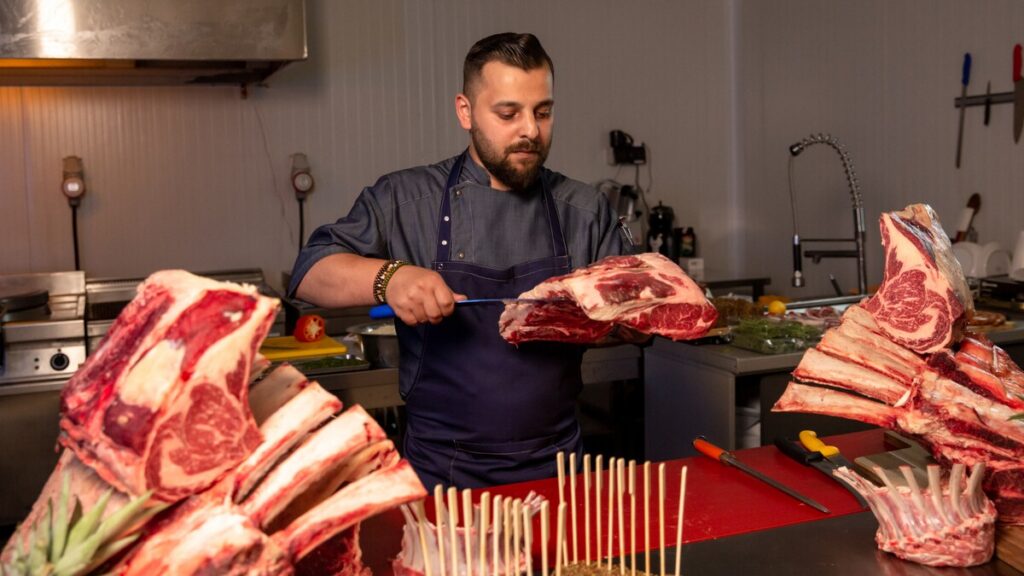
Updated Dutch guidelines reflect a broader shift in everyday food choices Credit: Shutterstock/RecCameraStock
The Netherlands Nutrition Centre has officially slashed the recommended weekly meat intake to 300 grams, a 40% reduction, as part of the new 2026 “Wheel of Five” guidelines released this April. For the first time, Dutch authorities are capping red meat at just 100 grams per week and halving the daily cheese allowance to 20 grams.
This update prioritizes “planetary health,” aiming to reduce nitrogen emissions and lower risks of cardiovascular disease. While not a ban, the immediate consequence is a shift in institutional catering and supermarket labeling across the country, as the Netherlands becomes the first EU nation to align national dietary advice with the strict 2030 climate targets.
What the new guidance says about meat and dairy
Under the updated advice, total meat consumption should be reduced to around 300 grams per week, down from previous recommendations of roughly 500 grams. Within that, red meat is limited to approximately 100 grams weekly. Dairy is also addressed, with guidance suggesting lower cheese consumption and a more balanced intake of animal-based products overall.
The emphasis is on replacing part of this intake with plant-based proteins such as legumes, nuts, and alternatives that are becoming increasingly available across European supermarkets. These recommendations are based on long-term research into diet, public health, and environmental impact, aiming to reduce risks linked to high consumption of red and processed meat.
Why the Netherlands is making this change now
The shift reflects growing pressure to address both health concerns and environmental targets. Livestock farming is one of the main contributors to nitrogen emissions in the Netherlands, an issue that has already led to wider agricultural reforms and ongoing debate within the sector.
At the same time, public health bodies continue to link high intake of red and processed meat to increased risks of cardiovascular disease and certain cancers. The updated guidelines attempt to bring these two priorities together in a single national framework. Similar conversations are taking place across the European Union, where sustainable food systems are becoming an increasingly important part of policy discussions.
What this means for residents and consumers
For people living in the Netherlands, the changes do not introduce any restrictions on what can be bought or eaten. Supermarkets, restaurants, and consumers remain free to continue as before. However, national guidelines often shape long-term trends. Food producers, retailers, and public institutions tend to adapt gradually, which can influence what becomes more visible, more affordable, or more widely promoted over time. For expats, this may become noticeable through a steady increase in plant-based options, changes in how certain products are marketed, and a stronger focus on sustainability in everyday food choices.
How this connects to wider changes across Europe
The Netherlands is not acting in isolation. Across Europe, governments are exploring ways to reduce the environmental impact of food systems while improving public health outcomes. This includes shifts in dietary guidance, changes in agricultural policy, and growing support for alternative protein sources. While each country is moving at a different pace, the overall direction is becoming clearer. For readers in Spain, similar changes are already visible in supermarkets and restaurant menus, particularly in larger cities and tourist areas where demand for plant-based options continues to grow.
Sign up for personalised news
Subscribe to our Euro Weekly News alerts to get the latest stories into your inbox!
By signing up, you will create a Euro Weekly News account if you don't already have one. Review our Privacy Policy for more information about our privacy practices.



Dora Urbancsek
Dora Urbancsek is an SEO writer with over eight years of experience producing high-quality, search-optimised journalism and digital content. Based in Spain for more than five years, she covers a wide range of topics concerning Spain and Europe, including current affairs, community stories, culture, and lifestyle. Dora is known for accurate, well-researched reporting that keeps readers informed and engaged.
Comments