Fresh produce shortage? How the April 27 storm aid deadline in Spain could hit your summer food supply
By Dora Urbancsek • Published: 13 Apr 2026 • 16:07 • 2 minutes read
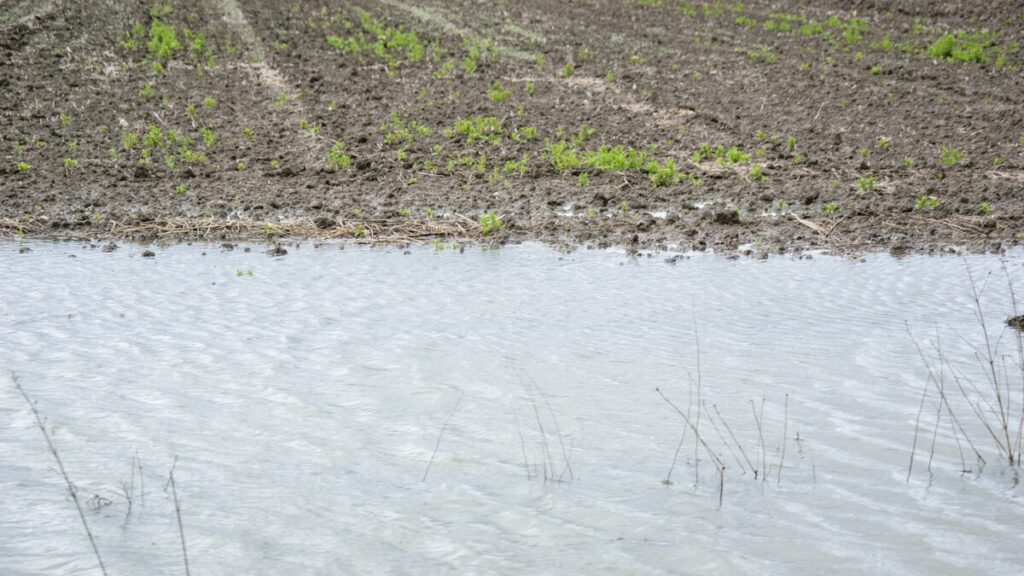
Crops across parts of Andalucia were damaged by recent storms, affecting supply ahead of summer Credit: Shutterstock/VicVa
Over 140,000 farmers and ranchers in Andalusia and Extremadura have until April 27, 2026, to officially accept their share of a €685 million emergency fund or lose the payments entirely. The FEGA (Spanish Agricultural Guarantee Fund) requires beneficiaries to “expressly accept” grants of up to €25,000 to repair irrigation and greenhouses destroyed by early-year storms.
The stakes are high: failure to meet this deadline will delay crop recovery just as summer tourism spikes. Agricultural unions warn that missing this cutoff will lead to localized supply shortages and a visible surge in fresh food prices at Spanish supermarkets and local markets by early June.
Farmers must now confirm aid to receive payments
The current phase is focused on releasing funds, not assessing damage. Farmers identified as eligible must confirm acceptance through the FEGA system. Many have been pre-selected, but approval alone is not enough to receive payment. If this process moves quickly, farms can begin repairs, replanting and recovery without further delay. If it slows down, the impact can carry into the summer period.
The scale of support and what it is meant to repair
The Junta de Andalucia has allocated around €685 million in direct aid to the agricultural sector. At national level, a wider €2.87 billion package supports affected regions, with individual payments typically ranging from €5,000 to €25,000.
The funding is aimed at restoring irrigation systems, repairing damaged structures and reopening access routes. These are essential for farms to return to normal production levels. Without these repairs, supply can remain limited for longer than expected.
What expats may notice in everyday life
The effects of delayed recovery are often gradual, but noticeable. Lower production can lead to reduced availability of certain products, especially fresh produce. Prices may also come under pressure if supply does not meet demand during the summer months.
In smaller towns and rural areas, the connection is more visible. Local businesses, markets and seasonal services depend directly on nearby farms. For many expats living outside major cities, this is part of daily life. When agriculture slows down, the wider local economy often follows.
Why timing matters ahead of the summer season
Spring is a preparation period for many crops. If funding arrives in time, farms can recover before peak demand begins. This helps maintain stability across supply chains that support both residents and tourism. If recovery is delayed, the effects may extend into the busiest months of the year, when demand is at its highest. This makes the current stage of the aid process especially important.
What farmers need to do before 27 April
Farmers included in the official lists must confirm acceptance of the aid through the FEGA platform. This can be done directly or through cooperatives and agricultural organisations. Without confirmation, payments will not be processed, even if the farmer has already been approved.
Common question: Will this affect daily life in Spain?
It can. While the support is directed at farmers, the results are felt across supply chains that reach shops, restaurants and local economies. The coming weeks will determine how quickly production returns to normal levels, and that will shape availability and pricing as summer approaches.
Sign up for personalised news
Subscribe to our Euro Weekly News alerts to get the latest stories into your inbox!
By signing up, you will create a Euro Weekly News account if you don't already have one. Review our Privacy Policy for more information about our privacy practices.


Dora Urbancsek
Dora Urbancsek is an SEO writer with over eight years of experience producing high-quality, search-optimised journalism and digital content. Based in Spain for more than five years, she covers a wide range of topics concerning Spain and Europe, including current affairs, community stories, culture, and lifestyle. Dora is known for accurate, well-researched reporting that keeps readers informed and engaged.
Comments