Booking warning: your travel details may be in the wrong hands : Here’s what to watch for
By Farah Mokrani • Published: 15 Apr 2026 • 22:18 • 3 minutes read
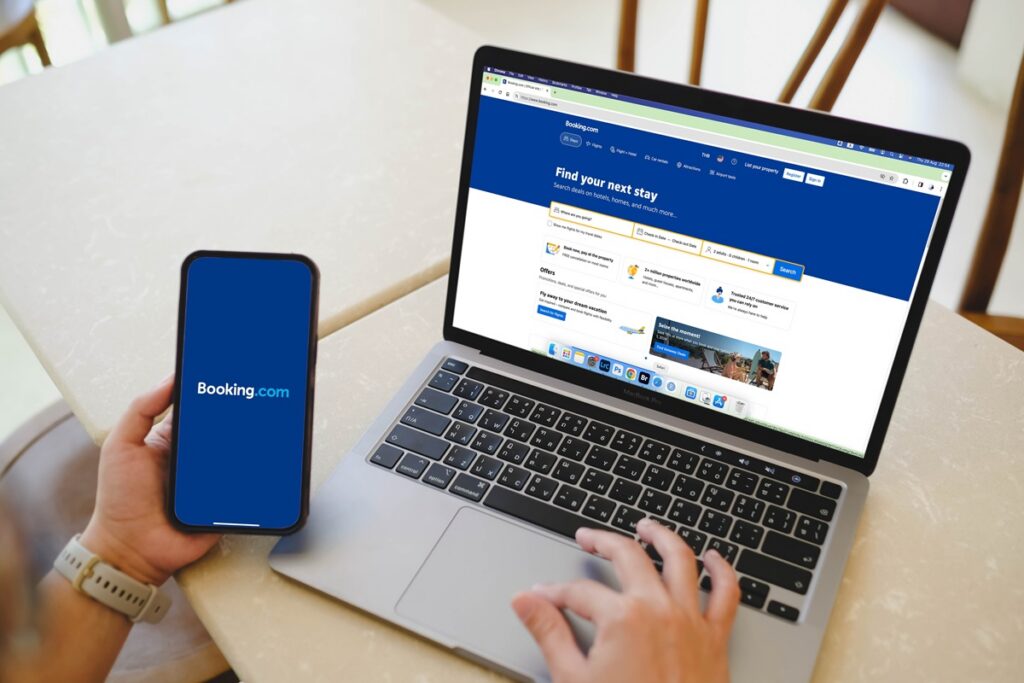
Booking users urged to stay alert after data breach warning Credit : Thaspol Sangsee, Shutterstock
Booking has warned customers to stay alert after a data breach exposed personal details linked to hotel reservations, opening the door to a new wave of highly convincing scams. The platform says information such as names, email addresses, phone numbers and booking details may have been accessed, meaning travellers could now receive messages that look exactly like they come from their hotel or from Booking itself.
If you have a reservation coming up, this is where it gets risky. With the right details, a scam message can feel real enough to catch anyone off guard.
Why this data leak makes travel scams harder to spot
The problem is not just that data has been exposed. It is the type of data involved. When someone already knows your name, where you are staying and when you are travelling, it becomes much easier to build a message that feels genuine.
Booking has confirmed that some of the information accessed includes details that customers share directly with accommodation providers. That could be anything from contact details to specific notes about the stay.
The company says it has taken steps to limit the impact, including resetting reservation PINs. It is also reminding users that it will never ask for passwords or full bank card details through messages.
Still, the concern is that scammers can now use this information to create urgency. A message saying there is a problem with your booking or that your room could be cancelled can push people to act quickly without thinking twice.
How scammers are using real bookings to trick travellers
This kind of scam has been seen before, but it is becoming more convincing. In some cases, travellers have received WhatsApp messages from someone pretending to be their hotel. The messages included accurate booking details, which made them look legitimate.
The story is usually the same. There is a supposed issue with the payment. The traveller is asked to confirm their details or complete a new payment through a link.
That link leads to a fake page designed to collect banking information.
Spanish authorities have previously recorded similar incidents. In one case, a traveller received messages that included her name, contact details and reservation number. The message claimed there was a problem with her booking and urged her to act quickly.
Even when the exact source of the data leak could not be confirmed, it showed how easily real booking details can be used to attempt fraud.
Booking says customers should be especially cautious with messages that include links or attachments, or that ask them to log in. Anything that creates pressure or asks for quick action should be treated with suspicion.
Another clear warning sign is any request to pay outside the official platform. Legitimate bookings should not involve bank transfers, gift cards or sending payment details by message.
What to do if you get a suspicious message about your booking
If something does not feel right, it is worth taking a moment before reacting. Instead of clicking on a link, check your booking directly through the official Booking app or website.
If there really is an issue, it will appear there. If not, the message is likely a scam.
It is also a good idea to contact the accommodation using the details listed on the platform, rather than replying to the message you received.
If you have already clicked on a suspicious link or shared your bank details, you should contact your bank immediately. Acting quickly can help limit any damage.
In Spain, the INCIBE helpline is available for advice on cyber security issues, including scams linked to travel bookings.
Why this matters now, especially before peak travel season
With holidays being planned months in advance, many people have active bookings sitting in their inbox. That gives scammers a window to strike at the right moment, when travellers are expecting updates or confirmations.
The more information they have, the easier it is to make their messages blend in with genuine communication.
For now, the safest approach is simple. Treat any unexpected message about your booking with caution, even if it looks real. Taking a few extra seconds to double check could save you from losing money or personal data.
As travel picks up again, so do the risks that come with it. And in this case, the scam might not come from an obvious source, but from something that looks exactly like a normal part of your trip.
Follow Euro Weekly News on Google News
Get breaking news from Spain, travel updates, and expat stories directly on your Google News feed.
Follow on Google NewsSign up for personalised news
Subscribe to our Euro Weekly News alerts to get the latest stories into your inbox!
By signing up, you will create a Euro Weekly News account if you don't already have one. Review our Privacy Policy for more information about our privacy practices.




Farah Mokrani
Farah is a journalist and content writer with over a decade of experience in both digital and print media. Originally from Tunisia and now based in Spain, she has covered current affairs, investigative reports, and long-form features for a range of international publications. At Euro Weekly News, Farah brings a global perspective to her reporting, contributing news and analysis informed by her editorial background and passion for clear, accurate storytelling.
Comments