Sudden death cardiac arrest: Why Spain is seeing Europe’s fastest growing fatality rate
By Adam Woodward • Published: 24 Apr 2026 • 16:36 • 2 minutes read
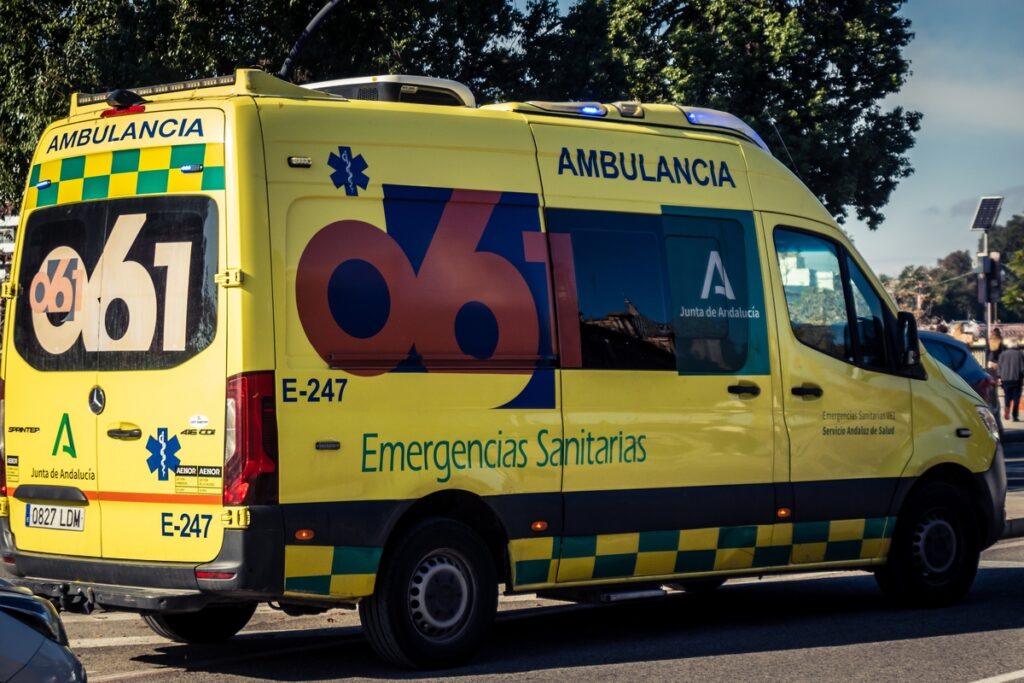
Ambulance in traffic. Credit: Jose HERNANDEZ Camera 51 - Shutterstock
People in Spain are facing a troubling health crisis as the number of sudden cardiac deaths has overtaken those of the rest of Europe. Data published in The Lancet Regional Health has revealed a 3.3 per cent annual climb in these sudden fatalities within the country. Researchers tracked 53 million cases throughout a decade, identifying ventricular fibrillation as the primary culprit behind hearts suddenly stopping without any warning.
Life expectancy and lifestyle factors
Increased longevity contributes heavily to the numbers, given that Spain maintains one of the highest life expectancies globally. Older individuals quite naturally carry a greater risk of cardiovascular issues, yet experts also point toward declining activity levels and poor dietary habits. Women, in particular, show a faster rate of increase than previously recorded, often linked to rising rates of obesity, hypertension, and diabetes.
Advanced diagnostic tracking might explain why Spanish figures look more alarming than those of neighbouring nations. Forensic teams and emergency services have improved how they categorise these deaths, leading to better reporting rather than just more cases. Accurate data remains essential for developing future prevention strategies and national health policies to protect vulnerable citizens. Nonetheless, a cardiac arrest is not always linked to physical fitness, as one may strike at any time of life.
Defibrillator access across Europe
Today, nations across Europe show vast differences in preparedness and how they provide life-saving equipment to the general public. Denmark and the Netherlands lead the rankings, having integrated public defibrillators (AEDs) into volunteer responder apps and emergency systems. France and Portugal have also introduced laws requiring devices in public buildings and large schools to make sure the right equipment is available when needed.
British citizens benefit from “The Circuit“, a national network mapping every available device for emergency dispatchers to use during emergency 999 calls. The technology is much better today, as well. AEDs (automatic external defibrillators) can be used by anybody, not just medical professionals, and the cost has come down considerably. Compared to much of the kit a professional ambulance carries, modern AEDs cost around €2,000.
Southern Europe dangerously lacking
Contrastingly, Balkan states such as Bulgaria and Serbia report much lower density, with equipment mostly confined to private clinics or major airports. Spanish cities offer reasonable coverage, but rural areas still lack the necessary infrastructure to combat this growing health crisis effectively.
One of the demographics most at risk in Spain is the retired. As in Spain, many prefer to spend their later years far from the city centres, such as living on golf resorts or in country houses, the average time it takes for an ambulance to fight traffic and arrive becomes considerable, and with saving a life during cardiac arrest, speed is essential.
Campaigns such as Save A Life in the Costa del Sol are attempting to turn the tide by installing AEDs in more places as well as encouraging first aid courses for the public so that more are equipped to deal with life-or-death emergencies whenever they should strike.
Follow Euro Weekly News on Google News
Get breaking news from Spain, travel updates, and expat stories directly on your Google News feed.
Follow on Google NewsSign up for personalised news
Subscribe to our Euro Weekly News alerts to get the latest stories into your inbox!
By signing up, you will create a Euro Weekly News account if you don't already have one. Review our Privacy Policy for more information about our privacy practices.




Adam Woodward
Adam is a writer who has lived in Spain for over 25 years. With a background in English teaching and a passion for music, food, and the arts, he brings a rich personal perspective to his work at Euro Weekly News. As a father of three with deep roots in Spanish life, Adam writes engaging stories that explore culture, lifestyle, and the everyday experiences that shape communities across Spain.
Comments
Mark Henderson
25 April 2026 • 13:14No comment here on the consequences of the Covid vaccines which are now known to cause cardiomyopathy, heart attack and sudden death. Spain had the highest uptake of the vax in Europe.
Mark
26 April 2026 • 19:25Cardiac deaths in Spain reported as “Researchers tracked 53 million cases throughout a decade…”
Average annual deaths in Spain are less than 500,000, not 5 million!
Comments are closed.