Nursery in Spain refuses Reborn baby doll enrolment, couple speaks out
By Molly Grace • Updated: 03 May 2026 • 23:56 • 3 minutes read
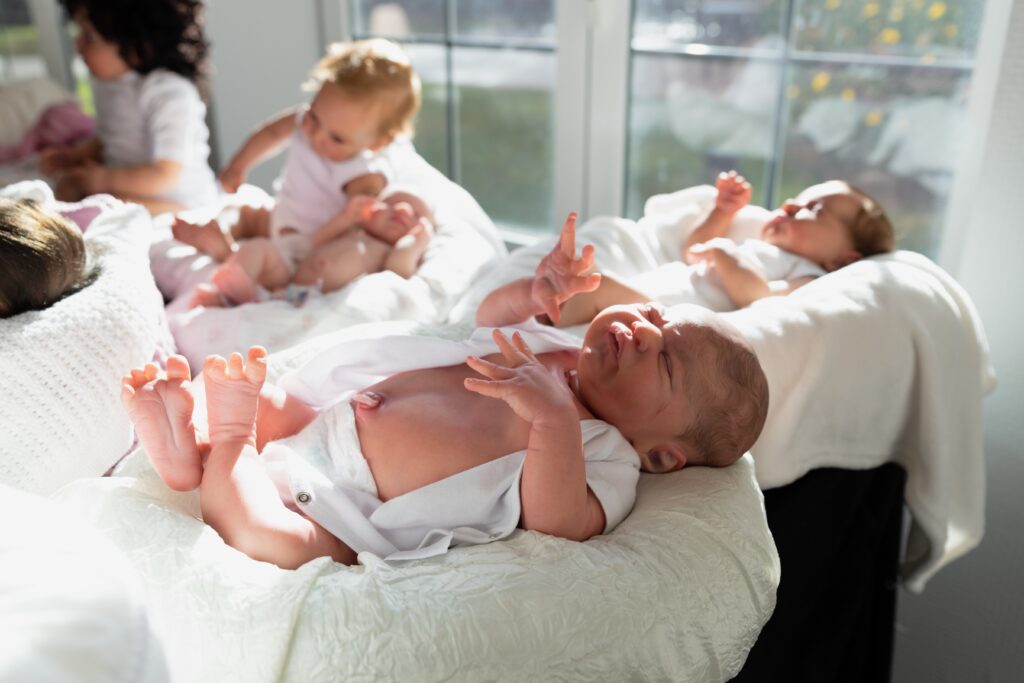
Reborn babies are highly detailed dolls designed to resemble real infants. Photo credit: Davaiphotography/shutterstock
A Spanish couple in Marbella have claimed they were unable to enrol their “reborn baby” which they named ‘Batmancito’ (little Batman) in a nursery, saying the decision left them feeling judged and misunderstood. The case centres on a hyper-realistic doll used by the woman as part of her emotional wellbeing.
The woman, identified as Alejandra, approached a local early years centre with the intention of enrolling the doll, which she treats as part of a therapeutic routine.
Alejandra said the doll forms part of a process linked to depression and infertility. She explained that incorporating the object into daily routines, including structured activities, helps her cope with the emotional impact of her circumstances. Seeking a nursery place was, in her words, an attempt to make that routine feel more complete.
Nursery refusal and reaction
The nursery reportedly refused the request on practical grounds. According to the woman’s account, the centre’s management expressed concern about how other parents might react to the presence of a lifelike doll in a setting designed for young children. No formal complaint or legal action has been reported in relation to the incident.
Alejandra described the experience as upsetting, stating that she felt judged for her situation. The couple’s comments have prompted discussion about the role of reborn dolls and how they are viewed in public settings.
In Spain, early years centres operate under strict organisational rules regarding enrolment, safeguarding and the management of children’s groups. Decisions are typically based on practical functioning of the setting, including staffing, interaction between children and compliance with childcare regulations.
What reborn babies are used for
Reborn babies are highly detailed dolls designed to resemble real infants. While they are often associated with collectors and sometimes used as toys by children, they are also used in certain therapeutic contexts. In healthcare and support environments, they have been used with patients living with Alzheimer’s disease and other forms of dementia. The dolls may be introduced in care settings where they can help reduce agitation, provide reassurance and encourage calmer behaviour in some patients.
They are also used by some individuals experiencing grief, including women who have gone through pregnancy loss or infertility. In these cases, the dolls can form part of coping strategies involving routine care, which some people find emotionally supportive. Their use varies widely and is not part of standard medical treatment, with approaches differing depending on personal choice and professional guidance.
They are not officially recognised within childcare systems or educational frameworks. This means there are no specific rules governing their use in nursery environments.
Nursery decision and practical considerations
The case involves a situation between a private coping approach and a structured childcare environment. Nurseries are required to maintain consistent routines for children in their care, and decisions about enrolment are based on safeguarding, operational capacity and the expectations of families using the service.
In this case, the nursery’s decision appears to have been based on concerns about how the presence of a lifelike doll could affect the setting and the reactions of other parents and children. Such decisions are typically made at individual centre level rather than through national guidance.
The situation has led to questions about how institutions respond when requests fall outside normal childcare practice. However, there is currently no formal framework in Spain addressing the inclusion of objects such as reborn dolls in early years education.
Lack of formal framework
Because reborn dolls are not recognised within childcare regulations, any request involving them is assessed individually by each centre. Policies vary between institutions, but they generally prioritise child welfare, safeguarding and the smooth operation of the group environment.
This means that outcomes can differ depending on the interpretation of rules by staff and the specific circumstances of the request.
Wider discussion
The case has led to wider discussion about how reborn dolls are perceived in everyday settings. For some individuals, they are associated with personal coping methods linked to emotional or psychological wellbeing. For others, they are unfamiliar objects that do not fit easily into shared public environments.
In the absence of specific guidance, decisions remain dependent on individual institutions. This can lead to differing outcomes in similar situations, particularly where personal practices intersect with regulated public services.
For now, the Marbella case remains an isolated example, but it has drawn attention to how unconventional personal practices interact with childcare settings and how such situations are managed without formal rules in place.
Sign up for personalised news
Subscribe to our Euro Weekly News alerts to get the latest stories into your inbox!
By signing up, you will create a Euro Weekly News account if you don't already have one. Review our Privacy Policy for more information about our privacy practices.



Molly Grace
Molly is a British journalist and author who has lived in Spain for over 25 years. With a background in animal welfare, equestrian science, and veterinary nursing, she brings curiosity, humour, and a sharp investigative eye to her work. At Euro Weekly News, Molly explores the intersections of nature, culture, and community - drawing on her deep local knowledge and passion for stories that reflect life in Spain from the ground up.
Comments