Bars and restaurants across Spain are rushing to avoid new €50,000 kitchen fines
By Farah Mokrani • Published: 26 May 2026 • 23:25 • 4 minutes read
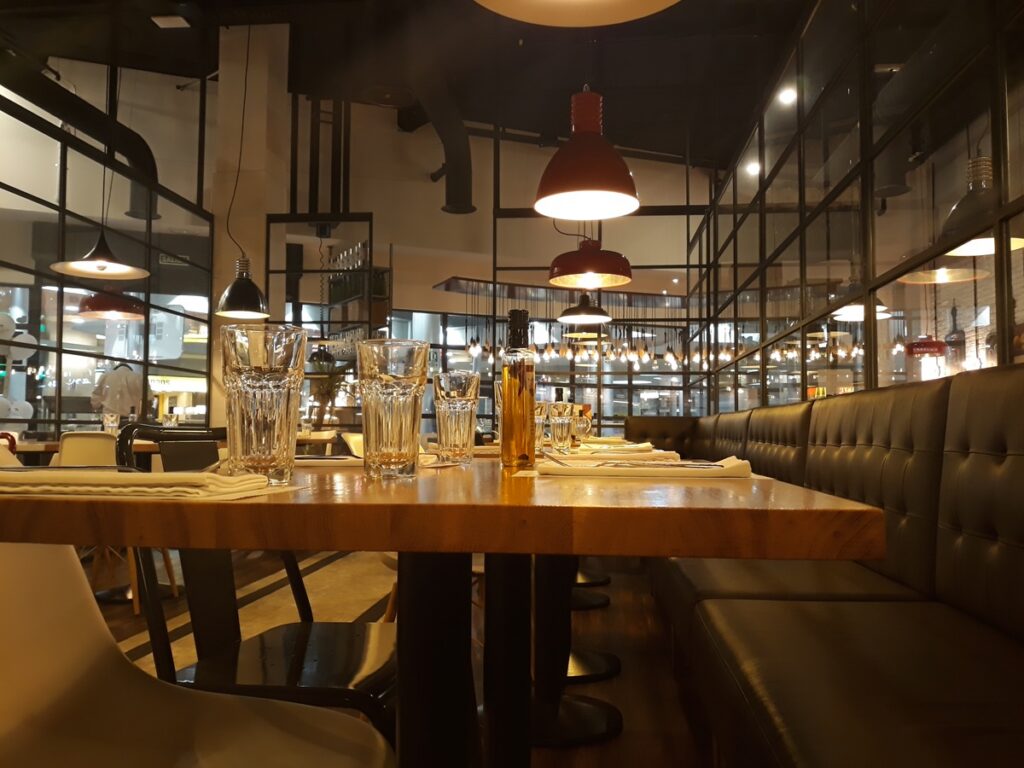
Restaurants across Spain are preparing for stricter ventilation and kitchen safety inspections from June. Credit : Evelia Smith, Shutterstock
With May coming to an end, many bar and restaurant owners across Spain are starting to worry about what comes next.
Not because of tourists, staffing shortages or even electricity prices this time.
What is worrying many businesses right now is the growing fear of inspections linked to new ventilation and smoke extraction rules that are due to become fully enforceable from June.
The 18 month grace period given to smaller establishments is now coming to an end, meaning local councils and Public Health inspectors will soon be able to sanction bars, cafés and restaurants that failed to adapt their kitchen systems in time.
And some of the possible fines are enough to seriously worry small business owners.
In the most serious cases, sanctions can reach €50,000. Temporary closures may also happen if inspectors believe a ventilation system creates a fire risk or fails to meet current safety standards.
For customers sitting outside on a terrace eating tapas, none of this is visible. But behind kitchen doors across Spain, many hospitality businesses are already checking extraction ducts, replacing filters and calling technicians hoping everything will comply before inspections begin intensifying this summer.
And honestly, for a lot of smaller venues, the pressure is already starting to feel very real.
Why so many bars and restaurants are rushing to update kitchens before June
A lot of these rules were technically approved earlier, but smaller hospitality businesses were given an 18 month adaptation period to make changes gradually.
That transition period is now almost over.
The reforms come from a mix of updated building regulations, fire prevention standards and air quality requirements affecting professional kitchens.
Authorities say older extraction systems remain one of the weakest points in many hospitality venues, especially inside ageing buildings where installations may not have been modernised for decades.
One of the biggest concerns is grease accumulation inside extraction systems. Over time, grease builds up inside filters and ducts and can become extremely dangerous if a fire starts inside the kitchen. That is why the updated rules focus heavily on filtration, internal cleaning access and fire resistant protection.
Restaurants are now expected to use extraction systems capable of filtering at least 95 per cent of grease particles and heavy residues.
In practice, that often means replacing older filters with more advanced systems using activated carbon or other higher efficiency technology.
The ducts themselves are also receiving much closer attention than before.
Under the updated standards, extraction pipes must include inspection openings at regular intervals so technicians can properly clean the inside. That may sound like a small technical detail, but authorities say inaccessible grease buildup remains one of the leading causes of fires in professional kitchens. And for businesses operating inside apartment buildings, the rules become stricter again because extraction systems crossing communal areas now require certified fire resistant insulation.
The goal is straightforward. If a kitchen fire starts, authorities want to reduce the risk of smoke and flames spreading quickly into neighbouring flats or businesses.
Many small hospitality businesses say the timing could not be worse
For large restaurant groups, adapting to the new standards may simply become another operating expense.
For small independent bars and family run restaurants, the situation often feels much heavier financially. A lot of owners are already struggling with rising costs across almost every part of the business.
Food prices remain high. Electricity bills are still painful for many venues, rent continues rising in tourist areas, and staffing costs are far higher than they were only a few years ago.
Now many businesses are discovering they may also need to spend money on kitchen systems customers will probably never even notice.
That frustration comes up repeatedly inside the hospitality sector. Especially among older establishments operating with infrastructure installed decades ago.
Some businesses only need relatively simple upgrades such as replacing filters or modernising extraction motors. Others face much more expensive work involving duct replacements or ventilation redesigns.
Mechanical extraction motors themselves now need to comply with stricter standards linked to fire resistance and emergency operation at high temperatures. Restaurants are also expected to maintain adequate fresh air circulation inside the premises rather than simply removing smoke.
That requirement is partly linked to indoor air quality and carbon dioxide control.
Some regional governments have introduced financial aid programmes helping businesses cover part of renovation costs. In certain areas, subsidies may cover up to 40 per cent of eligible upgrades.
Still, many owners say the remaining costs remain difficult to absorb, particularly after several financially exhausting years for the hospitality industry.
Bars and restaurants expect inspections to increase from June
What is making many businesses nervous is that the inspection phase is now about to begin properly. During the adaptation period, authorities focused mainly on giving businesses time to comply.
From June onwards, sanctions are expected to become much more realistic. Inspectors will be able to request maintenance documentation proving extraction systems have been cleaned professionally and regularly by approved companies.
Those cleaning records are becoming increasingly important because businesses without proper maintenance documentation may face penalties even if the system itself appears functional. And the financial consequences can escalate quickly.
Serious infractions involving obsolete filters, poor maintenance or missing inspections may lead to fines ranging between €6,000 and €15,000.
Where authorities detect major safety risks or kitchens operating without compliant smoke extraction systems, the sanctions can rise much higher.
That possibility is exactly why many hospitality owners across Spain are currently rushing to review installations before summer inspections begin intensifying. Because for small businesses already operating under pressure, even a temporary closure could become financially devastating. And with the tourist season about to accelerate, the last thing many restaurant owners want this summer is an inspector walking into the kitchen and finding something that should already have been fixed.
Follow Euro Weekly News on Google News
Get breaking news from Spain, travel updates, and expat stories directly on your Google News feed.
Follow on Google NewsSign up for personalised news
Subscribe to our Euro Weekly News alerts to get the latest stories into your inbox!
By signing up, you will create a Euro Weekly News account if you don't already have one. Review our Privacy Policy for more information about our privacy practices.




Farah Mokrani
Farah is a journalist and content writer with over a decade of experience in both digital and print media. Originally from Tunisia and now based in Spain, she has covered current affairs, investigative reports, and long-form features for a range of international publications. At Euro Weekly News, Farah brings a global perspective to her reporting, contributing news and analysis informed by her editorial background and passion for clear, accurate storytelling.
Comments