From Andalucía to Buckingham: the surprising orange tradition linking Sevilla to King Charles III
By Molly Grace • Published: 15 Jun 2026 • 1:04 • 3 minutes read
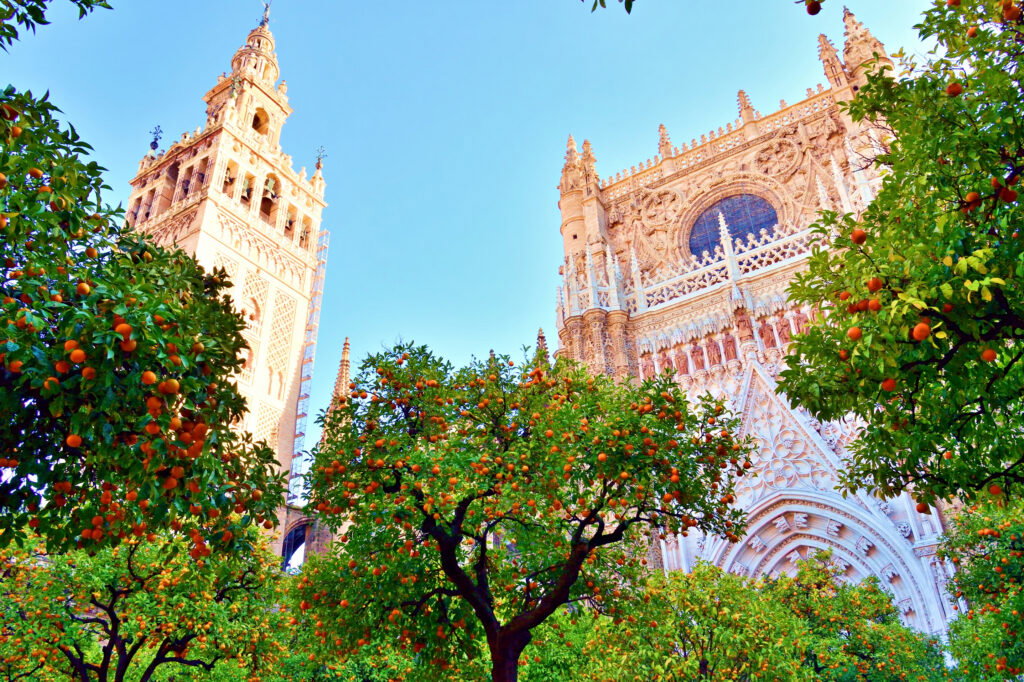
Sevilla is known for its extensive population of bitter orange trees. Photo credit: Simona Bottone/Shutterstock
Sevilla has renewed its long-standing cultural and diplomatic tradition with the British Royal Family as bitter oranges from the gardens of the Real Alcázar are once again being used to produce marmalade destined for King Charles III.
The annual harvest continues a practice that has been maintained for decades, reinforcing a symbolic connection between the Andalucian capital and the British monarchy through one of Spain’s most historically significant royal sites.
The oranges are collected each year from the grounds of the Real Alcázar, a UNESCO World Heritage Site and one of the oldest royal palaces still in use in Europe.
Bitter oranges from the Real Alcázar gardens
The fruit involved in the initiative comes from bitter orange trees (Citrus aurantium), which are widely found throughout Sevilla. These trees were introduced centuries ago during Andalucía’s agricultural development and have since become a defining feature of the city’s landscape.
Although the fruit is not suitable for direct consumption due to its strong bitterness, it is highly valued for marmalade production, particularly because of its aromatic peel and high natural pectin content.
The Alcázar’s gardens contain hundreds of these trees, which are maintained as part of the historic landscape rather than for commercial agricultural use. Each winter, the fruit is carefully harvested under the supervision of the palace’s horticultural teams.
Collection and transfer through diplomatic channels
Once harvested, the oranges are sorted and transferred through official diplomatic channels linked to the British Embassy in Spain. The process is carried out as part of a structured cultural exchange rather than a commercial arrangement.
The fruit is then used to produce traditional marmalade, which is associated with British culinary heritage and long-standing royal breakfast traditions. The finished product is subsequently distributed through official channels connected to the British Royal Household.
King Charles III, known for his interest in sustainability and traditional food production, is associated with the continuation of the marmalade tradition within the royal context.
Origins of a century-old tradition
The origins of the practice are generally traced back to the early 20th century, when cultural exchanges between the Spanish and British royal households were established during the reign of Alfonso XIII.
What began as a symbolic gesture has evolved into an annual tradition that has endured for more than a century. Over time, it has become a recurring expression of goodwill between Spain and the United Kingdom, maintained through royal, diplomatic and cultural ties.
Sevilla’s historic orange trees and urban identity
Sevilla is known for its extensive population of bitter orange trees, which are planted throughout streets, squares and historic courtyards across the city. These trees are a legacy of Andalucía’s Moorish agricultural history and remain one of the most recognisable features of the urban landscape.
In districts such as Santa Cruz and within major monuments including the Real Alcázar, the presence of orange trees contributes to the city’s distinctive visual and sensory identity, particularly during the flowering season when their fragrance fills the air.
Although the fruit is rarely used locally in cooking, it has found a unique international role through its use in marmalade production abroad.
Cultural diplomacy between Spain and the United Kingdom
The continuation of the tradition is widely viewed as an example of cultural diplomacy, where symbolic exchanges reinforce international relationships outside formal political or economic agreements.
For Sevilla, the initiative strengthens the global cultural profile of the Real Alcázar, highlighting its role not only as a historic monument but also as a living space where traditions continue to evolve.
For the British Royal Family, the connection ties a staple preserve of British culinary culture to a specific and historic source of fruit, adding a narrative layer to a familiar product.
Symbolism and continued relevance
Although the number of oranges used in the initiative is relatively small compared with the overall harvest across Sevilla, the symbolic importance of the exchange remains significant. It reflects continuity in a tradition that links heritage, agriculture and diplomacy.
The practice also highlights how historic customs can persist in modern international relationships, evolving in meaning while retaining their original symbolic intent.
A living tradition rooted in history
The Alcázar orange tradition remains a rare example of a cultural practice that bridges centuries of history and two nations. From the gardens of an Andalucian palace to the tables of the British Royal Household, the journey of these oranges represents a unique blend of heritage, symbolism and continuity.
As the tradition continues, it reinforces the enduring connection between Sevilla and the British monarchy, sustained not through formal agreements, but through a shared appreciation of history, culture and tradition.
Follow Euro Weekly News on Google News
Get breaking news from Spain, travel updates, and expat stories directly on your Google News feed.
Follow on Google NewsSign up for personalised news
Subscribe to our Euro Weekly News alerts to get the latest stories into your inbox!
By signing up, you will create a Euro Weekly News account if you don't already have one. Review our Privacy Policy for more information about our privacy practices.



Molly Grace
Molly is a British journalist and author who has lived in Spain for over 25 years. With a background in animal welfare, equestrian science, and veterinary nursing, she brings curiosity, humour, and a sharp investigative eye to her work. At Euro Weekly News, Molly explores the intersections of nature, culture, and community - drawing on her deep local knowledge and passion for stories that reflect life in Spain from the ground up.
Comments