Passengers are missing flights as planes leave half full across Europe
By Molly Grace • Published: 01 Jul 2026 • 23:58 • 4 minutes read
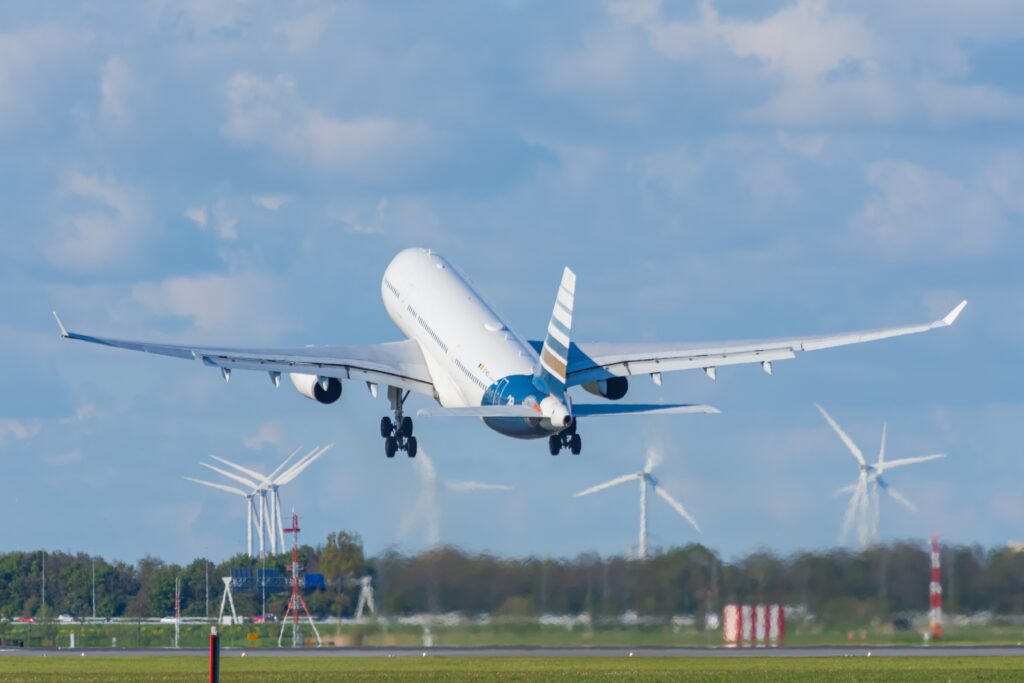
Airlines fear that if queues continue to grow, the number of passengers missing flights could increase. Photo credit: Minh K Tran/Shutterstock
As the summer holidays are about to kick off and airports being to fill, you’d expect planes to also be packed. Instead, airlines say some are taking off with rows after rows of empty seats, not because people didn’t book them, but because they never made it to the gate in time. According to the aviation industry passengers are getting to the airport on time, checking in, dropping off their bags and making it through security, only to find themselves stuck in border control queues while boarding continues without them. By the time they finally reach the departure gate, their flight has already left.
Airlines say passengers are doing everything they’re supposed to do, yet some are still missing flights because they’re getting caught up in delays after they’ve already reached the airport. For airlines, it’s becoming an expensive problem. For travellers, it’s turning the start of a holiday into a stressful race against the clock. And with Europe’s busiest travel weeks still to come, the industry fears the problem could become even more noticeable.
How are planes leaving half full?
At first, it sounds impossible. Flights are selling out, airports are full of holidaymakers and airlines are putting on extra services to cope with demand. So how can an aircraft leave with empty seats? The answer, airlines say, is that the passengers are already inside the airport. They’ve checked in, dropped off their luggage and made it through security, but then become stuck in long border control queues while boarding carries on without them.
Airlines eventually have little choice but to close the aircraft doors and leave on schedule. Holding one flight for too long can trigger delays across the rest of the day’s timetable, affecting other passengers, aircraft and crews waiting for their next departure. The result is something nobody wants to see. Planes take off with seats that have already been sold, while the people who paid for them are still waiting to clear passport control.
For anyone travelling this summer, it’s a reminder that getting to the airport early may not be the only thing that matters. If queues become longer during the busiest weeks of the holidays, the biggest delay could come after you’ve checked in, not before.
When one missed flight turns into a ruined holiday
Missing a flight is frustrating enough. What comes next is often much worse. If you’ve booked a family holiday, a cruise or a trip with a tight connection, one missed departure can quickly throw the whole journey into chaos. A hotel room still needs paying for even if you arrive a day late. Airport transfers don’t wait forever. A connecting flight might disappear, and finding another seat during the height of summer isn’t always easy.
Families can also find themselves in an impossible situation. If one person gets through while another is delayed, nobody wants to leave a partner, parent or child behind. More often than not, the whole family misses the flight together. For passengers travelling to weddings, special celebrations or long-planned holidays, it’s not just an inconvenience. In some cases, it’s an event they can’t simply rearrange.
It’s costing airlines too
While passengers are left trying to rescue their holiday plans, airlines are dealing with the financial impact. Every empty seat represents a ticket that has already been sold but can no longer be used. Once the aircraft leaves, that revenue is effectively lost, even though the passenger was already inside the airport trying to reach the gate.
Airlines then face the additional challenge of dealing with frustrated customers, rearranging travel where possible and absorbing the knock-on disruption that follows missed departures. It’s one of the reasons they’re speaking out now instead of waiting until later in the summer.
Why the new border system is part of the conversation
The growing disruption is also why airlines and airport operators have asked for the EU’s Entry/Exit System (EES) to be temporarily suspended during periods of severe congestion, arguing that border staff should be able to switch back to manual passport stamping until queues return to manageable levels before resuming the digital checks.
The biggest test is still ahead
The industry’s biggest concern is that the busiest part of the summer hasn’t even arrived yet. July and August are when airports across Europe are at their busiest, with millions of families heading away during the school holidays. That’s when even a small delay at border control can quickly snowball as more passengers arrive at the same time.
Airlines believe that’s when the real pressure will be felt. That doesn’t mean every traveller is going to face long queues or miss their flight. Most people will still get through the airport without any problems.
But if you’re flying during the school holidays or through one of Europe’s busiest airports, it’s worth giving yourself a little more time than you normally would. It won’t guarantee a queue-free journey, but it could give you valuable breathing space if border control is taking longer than expected.
For now, airlines are hoping the warning comes early enough to prevent the problem from getting worse. Because while the industry is worried about flights leaving half full, most travellers have a much simpler concern: after paying for a holiday and doing everything right, they just want to make sure they’re actually on the plane when it takes off.
Follow Euro Weekly News on Google News
Get breaking news from Spain, travel updates, and expat stories directly on your Google News feed.
Follow on Google NewsSign up for personalised news
Subscribe to our Euro Weekly News alerts to get the latest stories into your inbox!
By signing up, you will create a Euro Weekly News account if you don't already have one. Review our Privacy Policy for more information about our privacy practices.



Molly Grace
Molly is a British journalist and author who has lived in Spain for over 25 years. With a background in animal welfare, equestrian science, and veterinary nursing, she brings curiosity, humour, and a sharp investigative eye to her work. At Euro Weekly News, Molly explores the intersections of nature, culture, and community - drawing on her deep local knowledge and passion for stories that reflect life in Spain from the ground up.
Comments