Spain’s heat death toll passes 1,000 in June as families face dangerous start to summer
By Harry Dennis • Published: 01 Jul 2026 • 20:30 • 3 minutes read
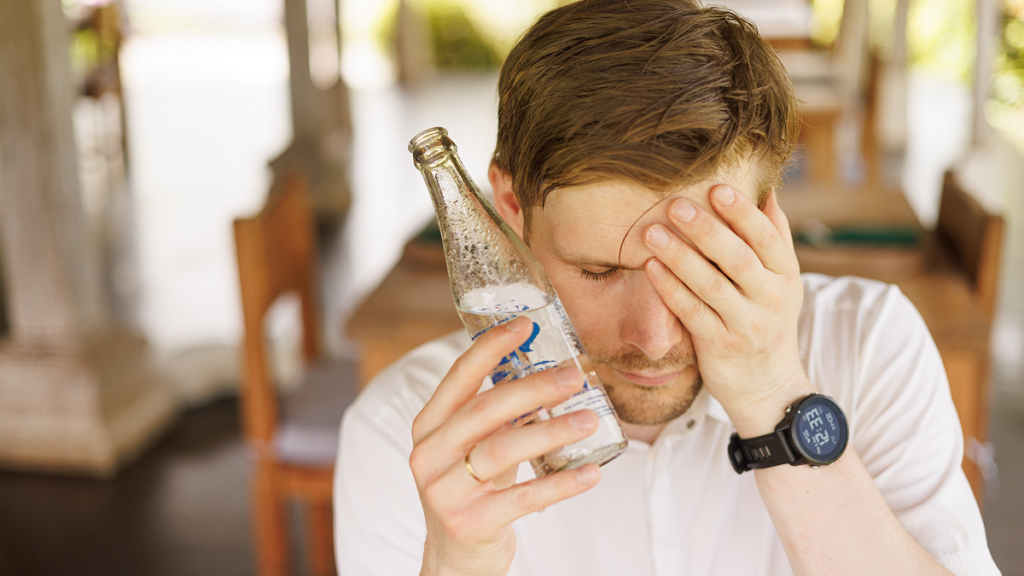
Spain’s early summer heat is already carrying a serious human cost. Credit: Girts Ragelis
Spain’s second-hottest June on record has been linked to 1,029 heat-attributable excess deaths, turning the first weeks of summer into a warning for families checking on older relatives, residents sleeping in overheated homes and holidaymakers looking for quick relief in pools, rivers or the sea.
How June heat became a household health risk before Spain’s summer peak
June’s heatwave has been felt throughout Spain’s households in a myriad of ways: shutters down all day, taking on errands late into the evening, checking on older neighbours, keeping fans running on high and avoiding those everyday terrace visits during the afternoon.
Official figures now show that universal discomfort was part of a much wider health risk. Spain recorded 1,029 excess deaths attributable to heat in June, according to data from the Health Ministry’s Daily Mortality Monitoring System, known as MoMo. The figure came as Spain and the rest of Europe endured a five-day heatwave with temperatures above 40ºC in several areas.
Spain’s state weather agency, the Agencia Estatal de Meteorología (AEMET), said average temperatures in June were 3.2ºC above normal, making it the second-hottest June since records began, behind only June 2025.
For British expats, tourists and residents across Spain, the concern is no longer only the peak of August. The latest figures show that dangerous heat is already becoming a serious health issue at the start of summer.
How Spain’s heat deaths can often be harder to see
The MoMo figure is not a list of people whose death certificates simply say “heatstroke”. Spain’s Daily Mortality Monitoring System estimates excess deaths by comparing observed mortality with expected mortality and assessing how much is attributable to temperature.
This matters because heat often works through existing illness. An older person with heart problems, someone with breathing difficulties, a person taking medication, or a resident recovering from another condition may not appear as a dramatic heat emergency. However, the pressure can build over several days.
The Spanish Health Ministry has repeatedly warned that people over 75 are among those most at risk from high temperatures. Babies, small children, pregnant women, people with chronic illness and those living alone are also considered vulnerable.
Nevertheless, the heat is becoming less of a forecast and more of a routine to manage. A short walk to the pharmacy, a bus stop without shade, a terrace that becomes unbearable by lunchtime or a night without proper sleep can all become part of the same risk.
How cooling off in water can also become dangerous
When the body feels trapped by heat, water looks like an escape. But recent deaths across Europe show how that instinct can turn dangerous, especially when people swim in unsupervised areas, enter the water suddenly after hours in the sun, drink alcohol, or overestimate their strength.
In France, 40 people drowned in recent days as people sought relief from the heat, the French prime minister said on June 23, according to Reuters. In Germany, the German Life Saving Association reported fatal bathing accidents during the heatwave, with rescuers warning that people, particularly men, often underestimate the risks of open water.
Spain has already had its own warning signs this summer. At least 13 drowning deaths were reported in three days in mid-June, most of them on beaches, with several victims aged over 70.
Not every drowning can be blamed on heat, and it would be wrong to claim that every case involved thermal shock. But heat brings more people to beaches, rivers, reservoirs and pools, often at the hottest and most tiring part of the day.
Cruz Roja advises bathers to use authorised and supervised bathing areas where possible and to avoid entering the water abruptly, especially after sun exposure. The old fear of a “corte de digestión” is often misunderstood; the more serious risk is the sudden temperature change after the body has been overheated.
How families and visitors can reduce the risk before July peaks
The latest June figures show that July and August are no longer the only dangerous months for heat-related incidents in Spain.
Families with older relatives may need to check whether homes are cooling at night, not only whether someone has water near their bed at night. Medication should be kept in a cool place, outdoor errands are safer earlier or later, and alcohol can make both heat and swimming risks worse.
For tourists, the warning is just as relevant. A hotel pool, a river spot or a beach swim can feel like the fastest way to recover from extreme heat, but lifeguarded areas, gradual entry into the water and avoiding swimming alone matter more when the body is already exhausted and overheating.
MoMo figures can still be revised because recent death registrations may arrive late. Even so, Spain’s summer health risk is no longer only about record temperatures, but about the ordinary day-to-day moments when people try to carry on as normal, sleep through hot nights, check on someone they love, or rush into water just to feel cool again.
Follow Euro Weekly News on Google News
Get breaking news from Spain, travel updates, and expat stories directly on your Google News feed.
Follow on Google NewsSign up for personalised news
Subscribe to our Euro Weekly News alerts to get the latest stories into your inbox!
By signing up, you will create a Euro Weekly News account if you don't already have one. Review our Privacy Policy for more information about our privacy practices.




Harry Dennis
Born in the UK and raised on the Cádiz coast, Harry brings his background in design, music, and photography to his writing for Euro Weekly News, sharing stories that celebrate culture and lifestyle across Spain and beyond.
Comments