Scabies outbreak hits Spanish troops deployed to Ceuta during migration crisis
By Molly Grace • Published: 18 Aug 2026 • 16:32 • 3 minutes read
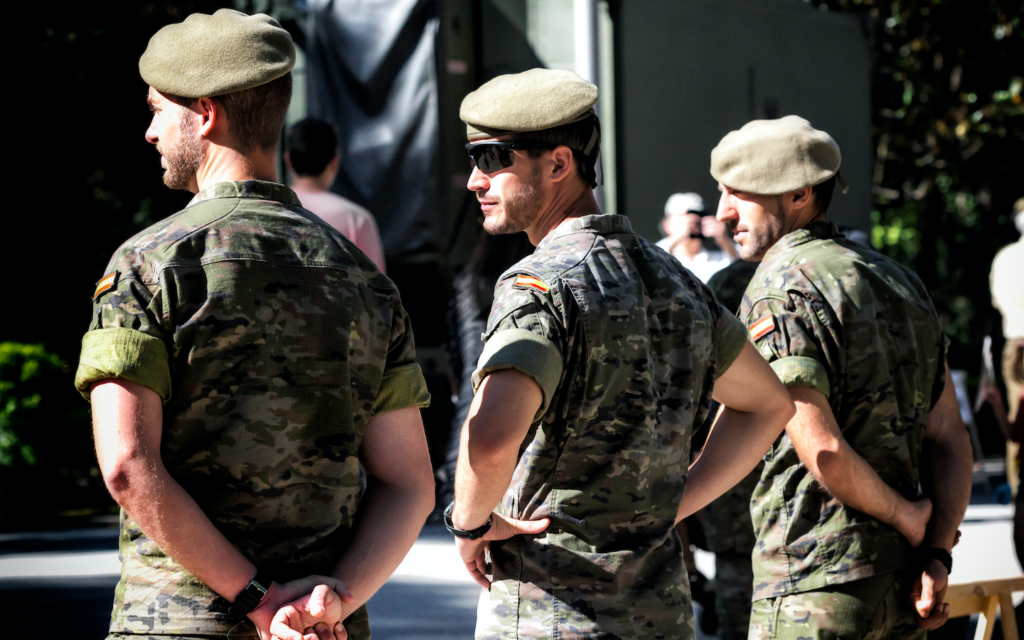
Defence has confirmed the cases but has not attributed them to the former K-8 facility. Photo credit: Shootdiem/Shutterstock
The troops that were sent to Ceuta to help deal with the migration crisis are now facing problems of their own, with at least 14 military personnel reportedly infected with scabies after being deployed to the Spanish territory.
Their military union says the infections may be connected to the conditions in which some of the troops were housed, including claims of overcrowding and poor maintenance at an old military facility. The Ministry of Defence has confirmed around a dozen cases, but has not established that the infections were caused by the accommodation or linked to the migration crisis.
Troops housed at abandoned facility
According to the Union of Military Troops (UMT), affected personnel from the 54th Regulares Group were housed on August 15 at the former K-8 Coastal Battery in García Aldave. The union claims the facility was normally unused and had not received adequate maintenance. It also alleges that there had previously been problems with pests and that troops were placed in crowded conditions.
Those claims have not been confirmed by Defence as the source of the infections. The circumstances have nevertheless raised questions about whether accommodation arranged during the emergency deployment was suitable for large numbers of personnel.
Why scabies can spread quickly
Scabies is caused by microscopic mites that burrow into the skin. It spreads mainly through prolonged skin-to-skin contact, although sharing clothing, bedding or towels can also transmit the infestation. Crowded living arrangements can make controlling an outbreak more difficult, particularly when people sleep in close proximity or share facilities.
Symptoms can take several weeks to appear after an initial infestation, meaning someone can carry the mites before realising they have been infected. That makes identifying cases and treating close contacts important when several infections appear within the same group.
Military associations want answers
The UMT says at least 14 personnel have been affected, while Defence has confirmed a figure of around 10 cases. Other military organisations are now seeking clarification over the extent of the outbreak. The Spanish Association of Troops and Sailors (ATME) has called for information about the number of infections, the units involved and the health measures introduced following the cases.
The association also wants to know whether other military personnel could have been exposed. UMT has asked whether cases have appeared in other units stationed in Ceuta, including the Legion, Montesa, Ramix, RING and ULOG.
Could it spread beyond the troops?
The concern is not limited to the affected soldiers, UMT has asked Defence what measures are being taken to prevent infections reaching military families or civilians. It has also called for information about the cleaning and disinfection of accommodation, gyms and military vehicles used by personnel who may have been exposed.
That matters because troops deployed to Ceuta live alongside other service personnel and may have contact with relatives and members of the wider community. An outbreak contained within one group presents a different challenge from infections spreading across several units.
Another problem for Ceuta
The cases have emerged while Ceuta is already dealing with the consequences of the mass migration crisis. The territory experienced a huge influx from Morocco at the end of July, prompting the deployment of additional security and military personnel.
Thousands of migrants remain in Ceuta, putting pressure on accommodation and public services. The military reinforcements were brought in to support the response. Now some of those personnel are dealing with an infectious condition that can be difficult to contain in shared accommodation.
What remains unclear
The exact source of the infections has not been established publicly, defence has confirmed the cases but has not attributed them to the former K-8 facility, while UMT has pointed to the accommodation and the conditions reported there. The difference between those positions matters.
If the accommodation played a role, identifying and treating anyone who may have been exposed will be important to prevent further infections. If the cases came from another source, the military will need to establish how personnel became infected and whether anyone else is at risk. For now, military associations are pressing Defence for more information about the outbreak and the measures being taken.
Troops face a new risk
The soldiers sent to Ceuta were deployed to reinforce the territory during an unprecedented migration emergency. They are now dealing with a health problem that could affect other personnel if infections are not contained. At least a dozen cases have been confirmed by Defence, while the military union puts the figure at 14.
The cause remains disputed, but the questions surrounding accommodation have added another layer to an already difficult deployment. Troops brought into Ceuta to help manage the migration crisis are now facing an outbreak of their own, and military associations want to know how it happened and whether more personnel could be affected.
Follow Euro Weekly News on Google News
Get breaking news from Spain, travel updates, and expat stories directly on your Google News feed.
Follow on Google NewsSign up for personalised news
Subscribe to our Euro Weekly News alerts to get the latest stories into your inbox!
By signing up, you will create a Euro Weekly News account if you don't already have one. Review our Privacy Policy for more information about our privacy practices.





Molly Grace
Molly is a British journalist and author who has lived in Spain for over 25 years. With a background in animal welfare, equestrian science, and veterinary nursing, she brings curiosity, humour, and a sharp investigative eye to her work. At Euro Weekly News, Molly explores the intersections of nature, culture, and community - drawing on her deep local knowledge and passion for stories that reflect life in Spain from the ground up.
Comments