Foreign retailers dominate Spain’s online shopping as Temu and Shein expand
By Anna Ellis • Published: 26 Aug 2026 • 14:49 • 2 minutes read
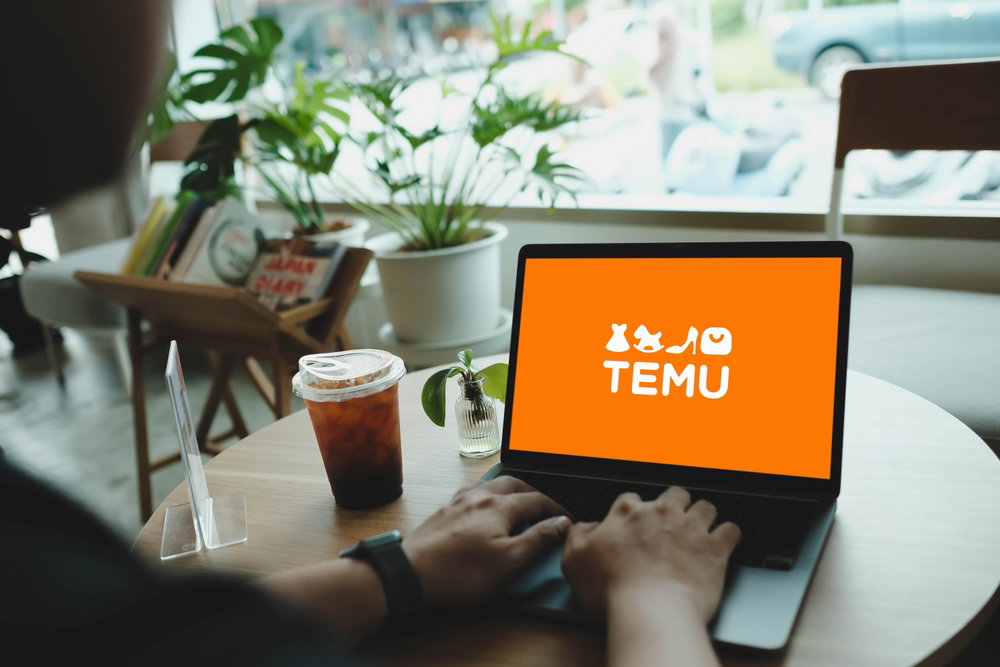
Foreign retailers dominate Spain’s online shopping as Temu and Shein expand. Credit: Thaspol Sangsee / Shutterstock.com.
Spain’s online shoppers are increasingly turning to foreign retailers, putting pressure on domestic businesses as international platforms including Shein and Temu continue to expand.
According to a PATECO report, 65.1 per cent of online purchases made from Spain in 2025 went to websites or platforms based abroad.
The trend is particularly strong in fashion, where 83.1 per cent of online purchases went to foreign operators, rising to 87.8 per cent for clothing.
Online spending continues to grow
Spanish e-commerce generated €114.8 billion in 2025, an increase of 16.8 per cent compared with the previous year.
More than two billion online transactions were recorded during the year, illustrating the growing importance of internet shopping for Spanish consumers.
Large marketplaces now account for between 45 and 50 per cent of online turnover in Spain and are used by 93 per cent of digital shoppers.
Amazon remains the dominant platform, with penetration of 90 per cent, but newer competitors have rapidly increased their presence.
Temu expanded its share of cross-border purchases from less than 1 per cent in 2022 to 24 per cent in 2025, while Shein accounts for around 9 per cent.
Spanish retailers face international competition
The figures reveal a significant imbalance between money spent by Spanish consumers abroad and purchases flowing in the opposite direction.
Purchases made from abroad through Spanish websites represented only 4.2 per cent of total online activity, highlighting the challenge facing domestic retailers competing with major international platforms.
Price, convenience, extensive product ranges and increasingly efficient delivery networks have helped overseas operators attract Spanish customers.
New tariff expected to have limited impact
The European Union introduced a fixed €3 tariff on small packages worth less than €150 arriving from non-EU countries in July.
However, the report expects the measure to have a limited impact on shopping habits because international platforms continue to compete strongly on price, product choice and logistics.
For Spanish retailers, the challenge is therefore likely to extend beyond competing on price alone.
Businesses are being encouraged to strengthen their digital services and increase their presence on major marketplaces to reach consumers who increasingly begin and complete their shopping online.
With e-commerce continuing to grow and almost two-thirds of purchases already heading to foreign operators, competition for Spain’s online shoppers looks set to become even more intense.
Follow Euro Weekly News on Google News
Get breaking news from Spain, travel updates, and expat stories directly on your Google News feed.
Follow on Google NewsSign up for personalised news
Subscribe to our Euro Weekly News alerts to get the latest stories into your inbox!
By signing up, you will create a Euro Weekly News account if you don't already have one. Review our Privacy Policy for more information about our privacy practices.





Anna Ellis
Anna is a writer originally from Derbyshire, UK, who has called the Costa Blanca home for the past 20 years. Living in a quiet corner of the countryside, she brings a down-to-earth perspective to life in Spain. At Euro Weekly News, Anna covers local stories and community news, drawing on her long-standing connection to the region and its people.
Comments