Millions of autónomos in Spain still don’t know what they’ll pay in 2027, and time is running out
By Harry Dennis • Published: 21 Sep 2026 • 17:00 • 2 minutes read

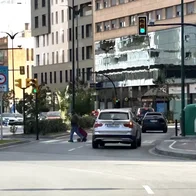
There is still no 2027 contribution table agreed for Spain's Autónomos. Credit: Wikkiq / Shutterstock
Ask any of Spain’s autónomos what their Social Security bill will look like in January 2027, and you’ll get a shrug. The government hasn’t sat down with self-employed groups in months, and the clock on next year’s contribution rates is running out fast.
The contribution table for 2027 still doesn’t exist
Every autónomo (self-employed worker) in Spain pays into Social Security through one of 15 brackets, based on how much they earn. For 2026, those brackets run from around €205 to €1,606 a month, and which one applies depends on a person’s declared net income. A solo shopkeeper can pay close to €300 a month toward Social Security alone, and that’s before even considering rent, power and insurance.
For 2027, though, there’s nothing. The Ministry of Inclusion, Social Security and Migration, run by Elma Saiz, hasn’t sat down with self-employed groups and unions to agree new figures in months, and with barely three months of 2026 left, there’s still no official table for next year.
Why the talks stalled
The dispute isn’t really about whether cuotas (monthly contributions) will rise, as this is probably a certainty, but it’s about how much and for whom. ATA, the country’s biggest self-employed association, led by Lorenzo Amor, has long argued increases should be capped at inflation rather than tied to a steeper income-based scale.
UATAE, a smaller self-employed association aligned with the CCOO trade union, has taken a blunter line on the current stalemate, saying negotiations ‘cannot continue to be postponed’. With neither side back at the table and no meeting scheduled, the 2027 figures are as stuck as they were months ago.
One 2027 rise is already locked in
Not everything about next year is up in the air. A pension top-up charge called the Mecanismo de Equidad Intergeneracional (a fund set aside for future pension shortfalls) is due to rise automatically from 0.9 to 1.0 per cent, regardless of how the wider talks go. In practice that adds somewhere between around 65 cents and just over €5 a month, depending on someone’s contribution base.
That part is fixed by law already, though. The bracket table that decides the bulk of what an autónomo actually pays each month is the part still missing and what really matters to the self-employed workers.
What’s stuck alongside the money
The stalled talks aren’t just holding up the rates announcement. Improvements to cese de actividad (the closest thing autónomos have to unemployment benefit), along with fixes to how sick leave and parental leave currently penalise self-employed workers, are tied to the same negotiation.
So until the ministry and the associations get back round the table, none of that moves either, with plenty of autónomos left thinking that they’ll just have to wait and see about the protections they were promised alongside the last reform.
Thousands of Brits are waiting on the same answer
This isn’t only a Spanish problem. Foreign autónomos have been propping up Spain’s self-employed numbers for years, and Brits are a big part of that story, with more than 26,000 now registered.
Every one of them is budgeting for next year just as blindly as their Spanish neighbours. For now, all any autónomo in Spain can do is keep an eye on the ministry’s next move, and budget for 2027 using the numbers already confirmed and loosely based on an increment to this year’s figures.
Follow Euro Weekly News on Google News
Get breaking news from Spain, travel updates, and expat stories directly on your Google News feed.
Follow on Google NewsSign up for personalised news
Subscribe to our Euro Weekly News alerts to get the latest stories into your inbox!
By signing up, you will create a Euro Weekly News account if you don't already have one. Review our Privacy Policy for more information about our privacy practices.

Harry Dennis
Born in the UK and raised on the Cádiz coast, Harry brings his background in design, music, and photography to his writing for Euro Weekly News, sharing stories that celebrate culture and lifestyle across Spain and beyond.
Comments