Fake Amazon websites spring up across Spain to scam customers as Prime Day begins
By Molly Grace • Published: 06 Oct 2026 • 21:16 • 3 minutes read
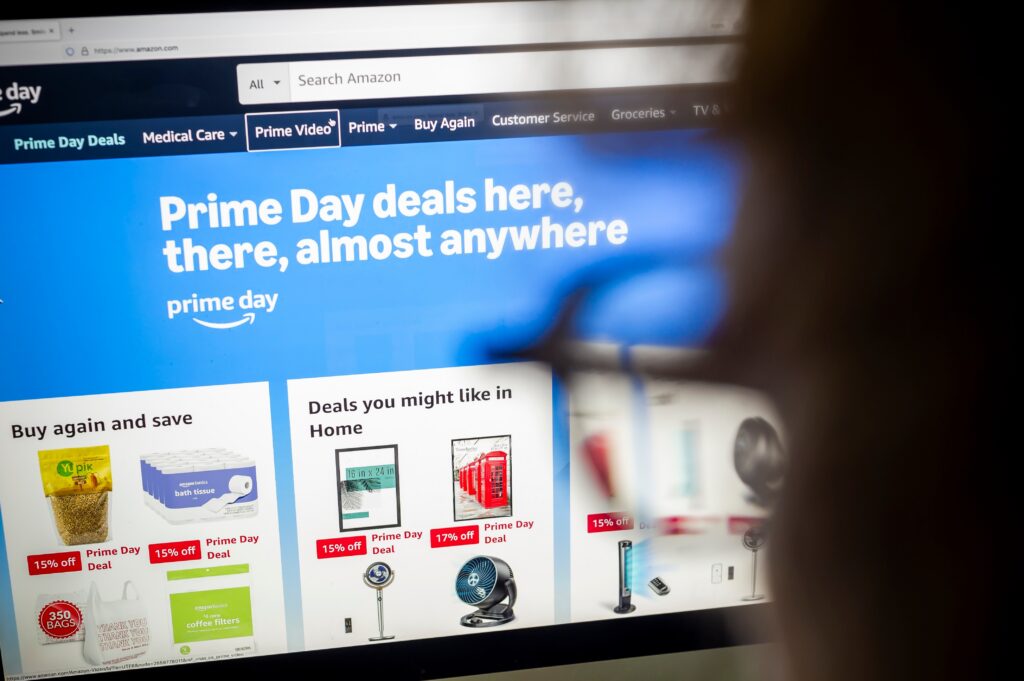
The safest way to shop during Prime Day is to go directly to Amazon. Photo credit rblfmr/Shutterstock
If you are shopping online in Spain this week, there is a good reason to take a second look before entering your card details. With Prime Day underway, shoppers are being warned to be particularly careful about where they click and which websites they trust. A website can look convincing enough to make you think you are on Amazon, right down to the familiar branding and layout.
That makes it easy to get caught up in the search for a bargain and forget to check one of the most important things on the page: whether you are actually on Amazon at all. The warning comes as researchers track a surge in websites using Amazon and Prime Day-related names, with some designed to look like genuine shopping pages.
Amazon scams are multiplying during Prime Day
Check Point Research recorded 1,284 newly registered domains linked to Amazon and Prime Day in September, compared with 905 in July. That represents a 42 per cent increase in just three months. September’s figure was also 37 per cent higher than the same month last year, showing how quickly the number of Amazon-related domains is growing as shoppers prepare for major sales events.
Of the domains registered in September, 6.5 per cent were classified as malicious or suspicious by Check Point. That does not mean every new Amazon-related domain is fraudulent, but it shows how many are being created with the potential to cause problems for shoppers. The timing is no coincidence. Prime Day brings millions of people online looking for discounts, giving scammers a much larger pool of potential targets. Some fraudulent websites copy Amazon’s branding and layout, while others are designed to collect login information or payment details. A shopper may believe they are signing into their account or completing a purchase when they are actually handing information directly to criminals.
Fake websites can look remarkably convincing
One of the problems for shoppers is that spotting a scam is becoming harder. Poor spelling, strange wording and obvious translation mistakes have traditionally been useful warning signs, but researchers say criminals are increasingly using artificial intelligence to produce more convincing phishing messages and websites. That means a message written in fluent Spanish, complete with Amazon branding and a professional-looking design, should not automatically be trusted. The appearance of a website is no longer enough to tell you who is really behind it.
Some of the campaigns identified by Check Point have used fake account warnings, supposed gift-card offers and other messages designed to get people to click quickly. The aim is often to create a sense that something needs to be dealt with immediately. A message claiming that your Amazon account has been locked, that you have been charged for something you did not buy or that you have received a gift card can be particularly effective because it gives you a reason to react before checking where the link actually leads.
The website address matters
The safest way to shop during Prime Day is to go directly to Amazon rather than following a link in an unexpected email, text message or social media post. If you receive a message claiming to be from Amazon, open the Amazon app yourself or type the company’s website into your browser. That removes the risk of being redirected to a fake page through a malicious link. Check the web address before entering your password or payment information. A website can look almost identical to Amazon while using a completely different domain.
Be particularly cautious with addresses containing unusual combinations of words, extra characters or domains that are not associated with Amazon. And don’t assume that a padlock symbol means a website is legitimate. HTTPS indicates that the connection is encrypted, but it does not tell you whether the company behind the website is genuine.
Don’t let a bargain rush you
Scammers rely heavily on urgency. A countdown, limited-time offer or warning that an account will be closed can make people act before they have checked what they are looking at. Prime Day provides the perfect setting for that tactic because shoppers are already expecting prices to change quickly and deals to disappear.
If a deal looks unusually good, take a moment to check it through the official Amazon website or app instead of clicking through from an advert or message. The same applies to supposed refunds, delivery problems and account warnings. If something needs attention, check your Amazon account directly rather than using the link provided in the message.
Using a different password for your Amazon account and enabling two-factor authentication can also limit the damage if login details are stolen. With thousands of new Amazon-related domains appearing around Prime Day, taking a few seconds to check where you are before handing over your details could save you considerably more than the bargain you were trying to find.
Follow Euro Weekly News on Google News
Get breaking news from Spain, travel updates, and expat stories directly on your Google News feed.
Follow on Google NewsSign up for personalised news
Subscribe to our Euro Weekly News alerts to get the latest stories into your inbox!
By signing up, you will create a Euro Weekly News account if you don't already have one. Review our Privacy Policy for more information about our privacy practices.





Molly Grace
Molly is a British journalist and author who has lived in Spain for over 25 years. With a background in animal welfare, equestrian science, and veterinary nursing, she brings curiosity, humour, and a sharp investigative eye to her work. At Euro Weekly News, Molly explores the intersections of nature, culture, and community - drawing on her deep local knowledge and passion for stories that reflect life in Spain from the ground up.
Comments