68 dead in Spain high-speed train disaster as major rail route shuts down. UPDATED
By Lottie Verrier • Updated: 29 Oct 2026 • 10:43 • 3 minutes read
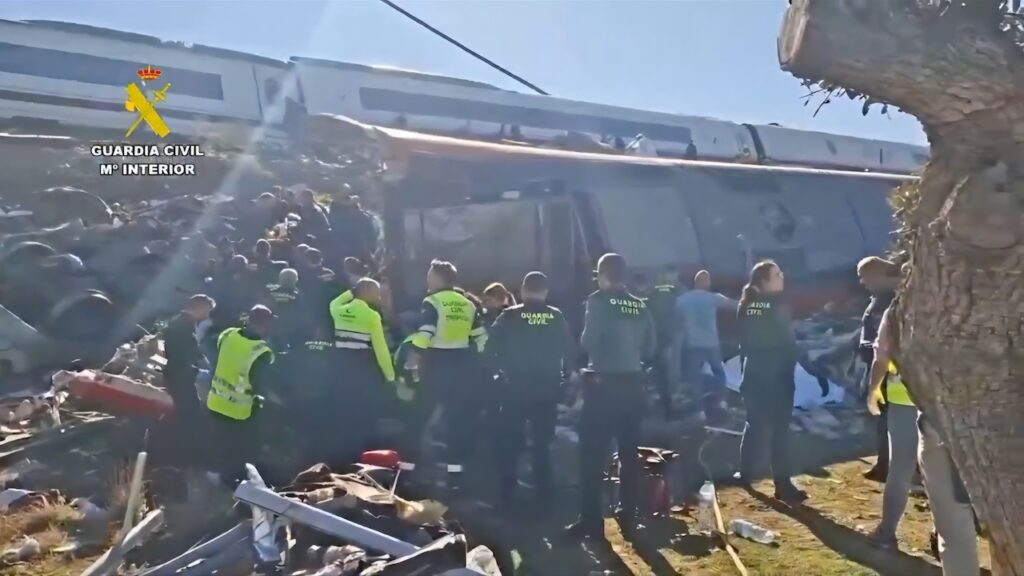
Eyewitness described a desperate effort to rescue passengers. Credit: Guardia Civil / X
Why has Spain seen another devastating high-speed train crash, and could it have been prevented? The collision between two trains near Urda, in Toledo province, has left the country facing fresh questions over rail safety, the circumstances behind the disaster, and why similar tragedies continue to raise concerns this year.
The official death toll stands at 68, with more than 100 people injured. Emergency services have worked through the night to recover passengers trapped in the wreckage, with fears that the death toll could rise further as recovery operations continue.
Of those confirmed dead, 44 were travelling on the Iryo train and 24 on the Renfe AVE service.
Prime Minister Pedro Sanchez has visited the crash site and pledged a full investigation into the circumstances surrounding the collision. He has also announced three days of official mourning across Spain, from Thursday, October 29, to Saturday, October 31.
As the country mourns the victims, attention is turning to what caused the crash, whether warning signs were missed, and why questions over the safety of Spain’s high-speed rail network are being raised once again.
‼️Accidente tren
🚨 La Guardia Civil ha desplegado en la zona personal de Seguridad Ciudadana de la provincia de Toledo, OMAC (Oficinas Móviles de Atención a la Ciudadanía) así como agentes del SEPRONA y de la Jefatura de Tráfico.
✔️ También se desplazan a la zona en este momento unidades de Seguridad Ciudadana de Ciudad Real y Albacete, de los Grupos de Reserva y Seguridad (GRS), del Servicio Aéreo, de drones, grupo de Caballería y el Equipo de Grandes Catástrofes del Servicio de Criminalística, del Servicio Cinológico y de Policía Judicial.
— Guardia Civil (@guardiacivil) October 28, 2026
Two trains collide near Urda
According to Europa Press, citing the Castilla-La Mancha emergency service, the collision was reported at 8.54am at the railway station in Urda.
Spanish broadcaster laSexta reported that the incident involved an AVE train operated by Renfe and an Iryo service travelling between Madrid and Seville. Sources from rail infrastructure manager Adif told the broadcaster that the collision occurred at around 8.30am, while the regional emergency service gave the later time.
Los Yébenes, Toledo, España, un AVE de la línea Madrid-Andalucía colisiona con un tren de Iryo dejando víctimas mortales y varios heridos.
Otra tragedia ferroviaria que evidencia la grave incompetencia del gobierno y el desastre en el que han convertido España. https://t.co/fdZUGRf6CY
— Alerta Global (@AlertaGlobal24H) October 28, 2026
Initial reports cited by laSexta indicated that the two rear carriages of the Iryo train had fallen down an embankment following the impact.
The precise circumstances of the collision have not yet been established.
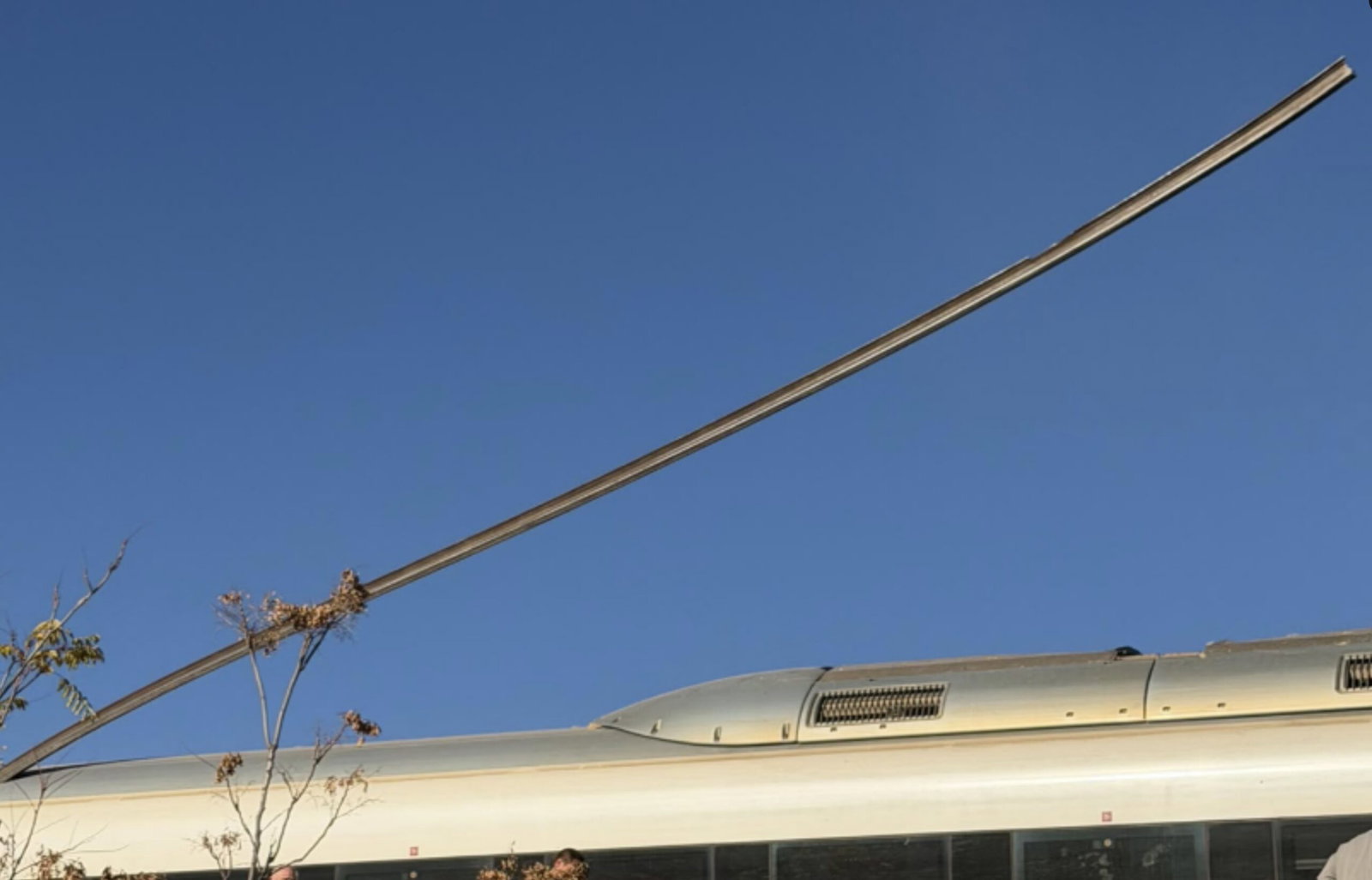
Credit: @ceciarmy X
Emergency services mobilised
Firefighters from the Alcázar de San Juan and Orgaz stations have been sent to the scene, alongside Civil Protection teams from surrounding municipalities.
The emergency response also includes three medical helicopters and two mobile intensive care units, according to Europa Press.
Adif announced that high-speed rail traffic between Madrid and Andalucía had been suspended following what it described as a collision between two trains. The disruption affects a key route connecting the Spanish capital with destinations in southern Spain.
Passengers planning to travel on affected services should check the latest information from their rail operator before setting off.
Eyewitness describes desperate rescue attempts
Separate reports have included a disturbing account from a passenger who contacted a relative after the collision.
According to an account relayed by journalist Sotillos, the passenger described seeing people who had died and others trapped beneath luggage and wreckage. He reportedly said he was attempting to move obstacles to help those still alive, reported by TribunaDigital7.
The conversation allegedly ended when the passenger said he needed to try to extinguish a fire that had broken out following the crash.
How to get information about passengers involved in the train crash
Anyone worried about a family member or friend who may have been travelling on either train can contact the dedicated assistance lines set up following the collision near Urda in Toledo province.
- Renfe: 900 10 10 20
- Iryo: 900 001 403
- Castilla-La Mancha emergency service: 900 122 112
Renfe has activated its Plan of Assistance to Victims of Railway Accidents and their Families (PAVAFF), with staff providing support to those affected. The company has specifically asked that its dedicated telephone line be used only by victims and their relatives, rather than for general enquiries.
Adif, the railway infrastructure operator, has also established assistance points at Madrid’s Atocha station, Seville’s Santa Justa station, Cordoba’s Julio Anguita station and Malaga’s Maria Zambrano station.
Anyone seeking information should use these official channels rather than relying on unverified social media posts. The situation remains under investigation, and information about individual passengers should be confirmed through the relevant authorities or railway operator.
Follow Euro Weekly News on Google News
Get breaking news from Spain, travel updates, and expat stories directly on your Google News feed.
Follow on Google NewsSign up for personalised news
Subscribe to our Euro Weekly News alerts to get the latest stories into your inbox!
By signing up, you will create a Euro Weekly News account if you don't already have one. Review our Privacy Policy for more information about our privacy practices.
Lottie Verrier
Lottie Verrier is a journalist and digital media specialist based in Mallorca. After a decade in London media, including a role as Deputy Editor for the MailOnline’s eCommerce division, she now combines her editorial expertise with a passion for the island to create engaging content that celebrates the best of life in Spain. Instagram @lottieinmallorca
Comments