DIA food warning: Frozen seafood product contains undeclared egg
By Adam Woodward • Published: 29 Oct 2026 • 18:51 • 3 minutes read
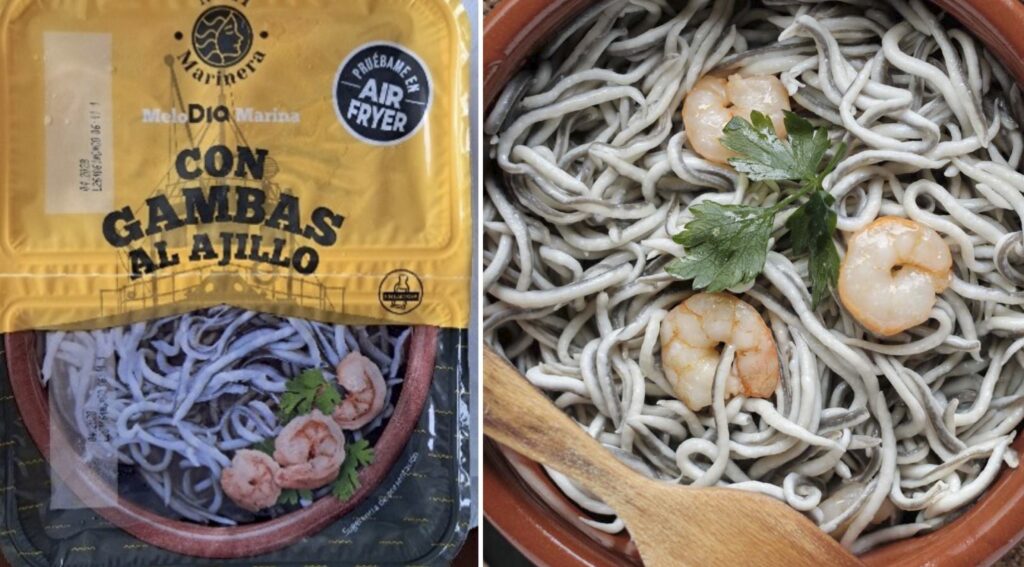
Frozen food product alert. Credit: AESAN
Shoppers across Spain are being encouraged to check their freezers after the country’s food safety agency issued a nationwide warning over a frozen seafood product sold by supermarket chain DIA.
The alert concerns eight batches of MeloDIA marinera con gambas al ajillo, a frozen seafood preparation sold under the DIA Mari Marinera brand. The 250g plastic tray contains two 125g portions, and the product was distributed across Spain.
Spain’s Agency for Food Safety and Nutrition (AESAN) published the warning on Wednesday, October 28, after being notified that the product contains egg that is not declared on its packaging. Read the official AESAN food safety warning.
The warning is specifically directed at people with an egg allergy, who are being told not to eat the affected product if they have it at home. AESAN has stressed that consuming the product does not pose a risk to the rest of the population in relation to this alert.
Which DIA frozen seafood batches are affected?
Consumers who have bought the product should check the batch code and expiry date printed on the packaging.
The eight affected batches are:
- L260566GGO – November 30, 2027
- L260642GGO – December 31, 2027
- L260747GGO – January 31, 2028
- L260754GGO – January 31, 2028
- L260769GGO – January 31, 2028
- L260942GGO – March 31, 2028
- L260951GGO – March 31, 2028
- L260962GGO – March 31, 2028
The warning follows information supplied through Spain’s coordinated food safety alert system after the company reported the labelling problem to the authorities. AESAN has passed the information to the relevant authorities so they can verify that affected products have been withdrawn from sale.
Anyone who is unsure whether their product is affected should check the batch details carefully and contact the retailer for guidance. Consumers can also consult AESAN’s official food safety alerts page for other warnings affecting products sold in Spain.
Why undeclared egg can be dangerous
Egg is a recognised food allergen, and people with an egg allergy can experience reactions after eating a product containing it. Symptoms can range from skin reactions and digestive problems to breathing difficulties. In severe cases, food allergies can cause anaphylaxis, a potentially life-threatening reaction requiring emergency treatment.
The issue is that shoppers who rely on ingredient labels to avoid allergens may have no reason to expect egg in a product whose packaging does not declare its presence. The European Commission explains which allergens must be declared on food labels and why accurate labelling matters.
People with an egg allergy should not consume any of the identified batches, even if the product looks and smells normal.
Malaga food poisoning cases put food safety in focus
It seems that Spanish prawn dishes are not the flavour of the month. The warning comes after two separate food poisoning incidents affected wedding celebrations in Malaga province during October. Around 40 people fell ill after a wedding reception at the Estival Torrequebrada hotel in Benalmadena on October 10. Health authorities subsequently confirmed salmonella as the cause. Read our report on the food poisoning outbreak affecting wedding guests at a Benalmadena hotel.
A second outbreak was reported following a wedding celebration in Iznate, in the Axarquia, where around 40 people developed symptoms. Initial tests detected salmonella in an affected person, while investigations continued to establish the source. One guest was admitted to intensive care. Our follow-up report covers the two Malaga wedding food poisoning outbreaks under investigation.
There is no reported connection between those incidents and the DIA seafood warning. The distinction is important: the latest alert concerns an undeclared allergen, whereas the wedding outbreaks involved suspected foodborne infections. But, all three incidences involved prawns.
For consumers, the practical message is to check official food safety warnings, pay attention to product labels and take any suspected allergic reaction or foodborne illness seriously.
Follow Euro Weekly News on Google News
Get breaking news from Spain, travel updates, and expat stories directly on your Google News feed.
Follow on Google NewsSign up for personalised news
Subscribe to our Euro Weekly News alerts to get the latest stories into your inbox!
By signing up, you will create a Euro Weekly News account if you don't already have one. Review our Privacy Policy for more information about our privacy practices.




Adam Woodward
Adam is a writer who has lived in Spain for over 25 years. With a background in English teaching and a passion for music, food, and the arts, he brings a rich personal perspective to his work at Euro Weekly News. As a father of three with deep roots in Spanish life, Adam writes engaging stories that explore culture, lifestyle, and the everyday experiences that shape communities across Spain.
Comments