All of La Palma goes dark as 50,000 customers lose power during maximum storm alert
By Harry Dennis • Updated: 02 Nov 2026 • 14:22 • 2 minutes read
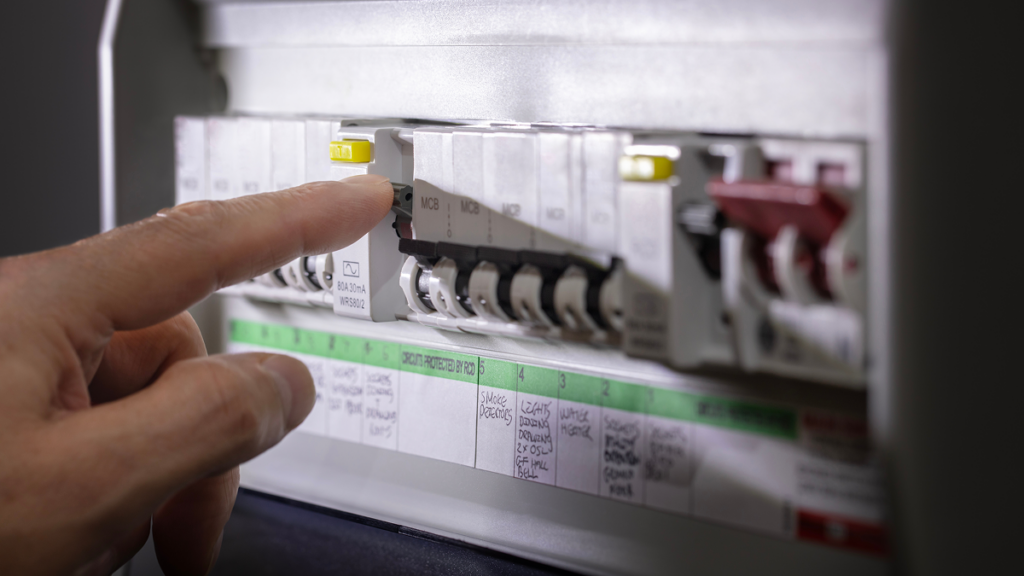
More than 50,500 customers on La Palma were left without power on Monday. Credit: Brian A Jackson / Shutterstock
Residents across La Palma woke to no electricity at all on Monday as torrential rain battered the east of the island. The cause isn’t known yet, though the island’s only main power line had already failed earlier that morning.
More than 50,500 customers lost power
The whole island of La Palma lost its electricity at around 6.40am local time on Monday November 2, in what the Canary Islands Government is calling a ‘cero energético’. Endesa, the company that distributes electricity on the island, said 50,508 customers were left without supply.
The Canary Islands Government’s emergencies department then declared an alert under its civil protection plan, known as PLATECA, so the agencies involved can be coordinated and the impact on essential services checked. Spain’s Territorial Policy Minister Ángel Víctor Torres said Madrid was in contact with the Canarian authorities.
The island’s only main power line was already down
The 66,000-volt Guinchos-Valle line, the only transmission line on La Palma, had suffered a fault earlier that morning. It’s run by the national grid operator Red Eléctrica. The Los Guinchos power station, the island’s diesel-fired plant, also disconnected for reasons that haven’t been explained yet. Red Eléctrica is now bringing supply back as the plant’s generating units reconnect, although by mid-morning it hadn’t given a time for full restoration. Red Eléctrica sources suggested the storm could be linked. However, Endesa hasn’t identified the cause.
La Palma isn’t connected to any other island or the mainland, which is why one failure can take everything down. The Canaries run on five separate electricity systems, so there’s nowhere to borrow power from either.
Rain topped 138 litres per square metre in 12 hours
The blackout hit with the island already under the highest level of rain alert, in force since 2am. The Canary Islands Government recorded 62 litres per square metre in a single hour in the east of La Palma and 138 litres over 12 hours.
In Breña Alta and Breña Baja, water had to be pumped out of homes and businesses overnight, with some drains overflowing.
The rest of La Palma, La Gomera and El Hierro are on alert, while Tenerife and Gran Canaria are on pre-alert. Very intense showers of more than 30mm an hour are possible on the western islands, most likely until 3pm, though authorities admit the forecast is uncertain.
It’s not the first time La Palma has gone dark
A total blackout last hit the whole island in June 2025 and lasted more than three hours, as we reported at the time in our look at why the island keeps losing power. It was the first island-wide outage since September 2021, during the Tajogaite volcanic eruption, when 85,000 people lost power for 12 hours.
Back then, the Canary Islands Government blamed ageing generators at Los Guinchos. However, Red Eléctrica denied that the fault began at its own substation.
In July 2025, Endesa said it was the only company to bid in a state tender for new generation on the island, with diesel systems due to be replaced before 2029.
Authorities are telling residents to stay off the roads
Canary Islands president Fernando Clavijo said no one had been hurt, although there have been incidents from water building up. He urged people to avoid unnecessary journeys, stay away from flooded areas and use their cars as little as possible so emergency services can get through.
Updates on the restoration are being posted on the social media profiles of Red Eléctrica and 112 Canarias, the regional emergency service, so anyone on the island or with family there should check those first.
Follow Euro Weekly News on Google News
Get breaking news from Spain, travel updates, and expat stories directly on your Google News feed.
Follow on Google NewsSign up for personalised news
Subscribe to our Euro Weekly News alerts to get the latest stories into your inbox!
By signing up, you will create a Euro Weekly News account if you don't already have one. Review our Privacy Policy for more information about our privacy practices.



Harry Dennis
Born in the UK and raised on the Cádiz coast, Harry brings a creative eye to his writing, sharing stories that celebrate culture and lifestyle across Spain and beyond.
Comments