Spain’s olive oil intervention hits trouble just days after new rules take effect
By Nazario Rodriguez • Published: 10 Nov 2026 • 10:30 • 3 minutes read
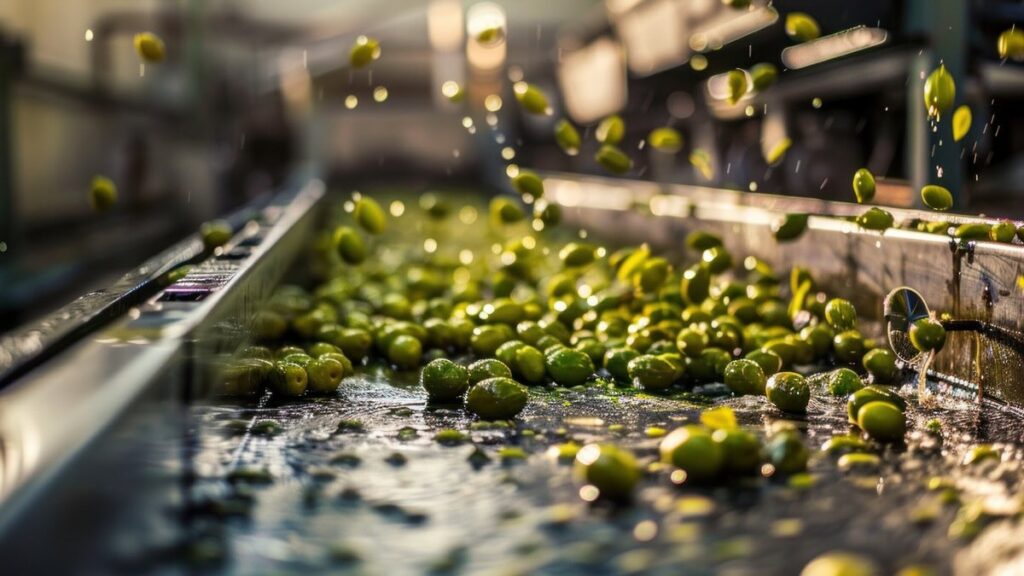
Fresh olives being processed at an olive oil mill as Spain’s new market restrictions raise concerns among producers and cooperatives. Credit: gadiel img / Shutterstock.
A Spanish olive oil cooperative has stopped buying oil from local producers following the government’s latest intervention in the market. The decision has raised concerns among smaller growers, while regional authorities are challenging the restrictions over fears they could damage local businesses.
Why has a Spanish olive oil cooperative stopped buying?
The decision comes from the Sant Bartomeu agricultural cooperative in Sóller, Mallorca, which has suspended purchases while it waits for the outcome of a challenge to the new rules. The cooperative has not closed and will continue processing olives and storing oil, but its president, Miquel Gual, fears that buying more could expose the business to significant financial losses.
The problem is not simply the cost of storage. Gual is concerned that olive oil held back until September 2027 could lose some of its quality and commercial value before it can be sold. If oil originally purchased as extra virgin has to be sold at a lower grade, the cooperative could find itself receiving considerably less than it paid.
According to Última Hora, the cooperative normally purchases between 50 and 70 tonnes of olive oil annually. Its decision could therefore create difficulties for growers who depend on selling their harvest rather than storing and marketing the oil themselves.
Why could storing olive oil make it harder to sell?
For generations, many Spanish households have preferred buying freshly produced olive oil, particularly during the autumn harvest when the new season’s oil becomes available. Fresh extra virgin olive oil is prized for its distinctive flavour and aroma, qualities that can gradually diminish over time.
Unlike wine, olive oil does not improve with age. Even when stored correctly, exposure to oxygen, light and heat can gradually affect its flavour and freshness. Proper storage slows that process, but it cannot prevent ageing indefinitely.
That creates a potential commercial problem. Under the new rules, part of this season’s production must remain off the market until September 30, 2027. By then, another harvest will be approaching, potentially leaving producers trying to sell older oil just as customers begin looking for the new season’s supply.
This does not mean stored olive oil automatically becomes unsuitable for consumption or loses its extra virgin classification. Much depends on its original quality and storage conditions. However, producers selling premium oil could find that customers are less willing to pay top prices for an older harvest.
Spain’s competition regulator, the CNMC, warned in October that the proposed restrictions could reduce the quality and variety of olive oil available to consumers, as well as potentially increasing prices.
Why are producers challenging Spain’s olive oil restrictions?
The dispute highlights the difficulties of applying the same restrictions across a country where olive oil production varies considerably between regions.
The government introduced the measure in response to an expected national surplus, aiming to prevent an excessive supply from pushing down prices paid to producers. But Mallorca is facing a very different harvest, with the island’s protected designation of origin organisation expecting production to reach only around 60 per cent of last season’s level.
The Balearic Government is challenging the measure and seeking an exemption for island producers. Gual argues that Mallorca contributes such a small proportion of Spain’s olive oil that its production has little influence on prices across the mainland.
The cooperative has reassured growers that processing and storage will continue and that it intends to meet its payment obligations. However, purchases remain suspended while the dispute is unresolved.
Could consumers in Spain be affected?
For shoppers, the immediate concern is not a confirmed shortage or price increase, but the possibility that restrictions intended to support the olive oil market could have unintended consequences for smaller producers and the availability of premium oil.
Consumers who regularly buy fresh olive oil directly from mills or cooperatives may be particularly interested in how the rules affect the timing of sales and the quality of oil reaching the market.
There is currently no evidence that the Sóller cooperative’s decision has increased supermarket prices. However, the CNMC’s earlier warning shows that concerns about consumer choice and product quality extend beyond this individual cooperative.
As Euro Weekly News previously reported, Spain’s intervention requires olive oil mills to retain 12 per cent of their production rather than releasing it immediately onto the market.
What happens next for Spain’s olive oil producers?
The official government resolution, published on November 6, requires mills to retain 12 per cent of their declared production from November 2026 until September 30, 2027.
The measure is intended to prevent a sharp fall in prices paid to producers during a period of high national supply. However, the regulations also allow the authorities to review the restrictions as market conditions develop.
The Balearic Government is seeking an exemption, arguing that island producers should not face the same restrictions as regions expecting a much larger harvest.
For now, the cooperative is waiting for the outcome of that challenge before resuming purchases. Whether other smaller cooperatives encounter similar difficulties remains to be seen, but the dispute has already exposed tensions between a national policy designed to protect growers and the different realities facing producers across Spain.
Follow Euro Weekly News on Google News
Get breaking news from Spain, travel updates, and expat stories directly on your Google News feed.
Follow on Google NewsSign up for personalised news
Subscribe to our Euro Weekly News alerts to get the latest stories into your inbox!
By signing up, you will create a Euro Weekly News account if you don't already have one. Review our Privacy Policy for more information about our privacy practices.





Nazario Rodriguez
I’ve worked in news media for over 10 years, previously as Production Manager at Euro Weekly News, and I now focus on audience strategy and content performance. I specialise in understanding what readers engage with and shaping content that serves them well.
Comments