Record Tuna Catch In Gibraltar
By John Smith • Published: 10 Jul 2023 • 18:24 • 2 minutes read

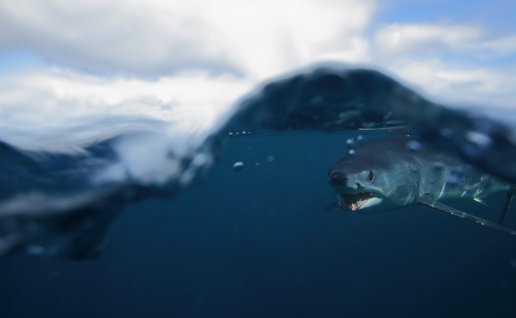
The spectacular huge Bluefin Tuna Credit: Screenshot YouTube
EVERY year the Gibraltar Government allows local fishermen to fish for Bluefin Tuna, although invariably if there are significant catches it puts a halt on the season.
This year is no exception as the locally based Mason family (two brothers and their father) and their friend, Marcos Karim Belkhir, have once again reeled in a record catch after landing a colossal 376-kilogram Bluefin tuna caught off the shores of Gibraltar.
Unusually however there have been several posts on social media offering tuna for sale in Gibraltar at a cost of £10 per kilo which has then encouraged the Gibraltar Government to explain the requirements involved in selling tuna to the public.
The Gibraltar Environmental Agency has remined anglers and catering establishments who offer tuna, of the necessary food hygiene requirements for the handling, storing and refrigerating of tuna in a proper manner.
Once the fish is offered for sale, it becomes a food product and as such, food hygiene and safety requirements apply.
It says that catering establishments procuring such fish should therefore ensure that the following conditions are met to always ensure the safety of the fish meat.
1) The tuna must be processed in approved registered food premises. The cutting up of tuna at the quay side, on boats or vehicle exposes the food to the risk of contamination and is not permitted. Tuna which is cut and processed in this manner may result in Environmental Health Officers detaining and seizing the tuna and legal proceedings may be considered.
2) Portions must be wrapped in a suitable food grade material as soon as possible.
3) The product must be frozen to at least either:
- –20°C for not less than 24 hours
- –35°C for not less than 15 hours
Furthermore, it reminds people that the consumption of Scrombridae fish (which includes tuna, mackerel and other oily fish) can result in histamine (Scombrotoxin) food poisoning if the correct precautions are not taken during cutting and storage.
High histamine levels cannot be detected by taste or smell so the product will not appear “off” but cooking will stop the production of histamine but will not eliminate any toxins that are already present in the fish.
This may lead to the consumer being affected by Scombroid food poisoning very soon after consumption. This is in addition to fish containing parasites which can be a concern for human health especially if the fish is to be eaten raw or undercooked.
It is only good handling practices that ensure that a safe product is sold to consumers.
Follow Euro Weekly News on Google News
Get breaking news from Spain, travel updates, and expat stories directly on your Google News feed.
Follow on Google NewsSign up for personalised news
Subscribe to our Euro Weekly News alerts to get the latest stories into your inbox!
By signing up, you will create a Euro Weekly News account if you don't already have one. Review our Privacy Policy for more information about our privacy practices.


John Smith
Married to Ophelia in Gibraltar in 1978, John has spent much of his life travelling on security print and minting business and visited every continent except Antarctica. Having retired several years ago, the couple moved to their house in Estepona and John became a regular news writer for the EWN Media Group taking particular interest in Finance, Gibraltar and Costa del Sol Social Scene. Currently he is acting as Editorial Consultant for the paper helping to shape its future development. Share your story with us by emailing newsdesk@euroweeklynews.com, by calling +34 951 38 61 61 or by messaging our Facebook page www.facebook.com/EuroWeeklyNews
Comments