Germans are collecting rainwater for reuse
By Anna Akopyan • Published: 16 Feb 2024 • 18:17 • 1 minute read
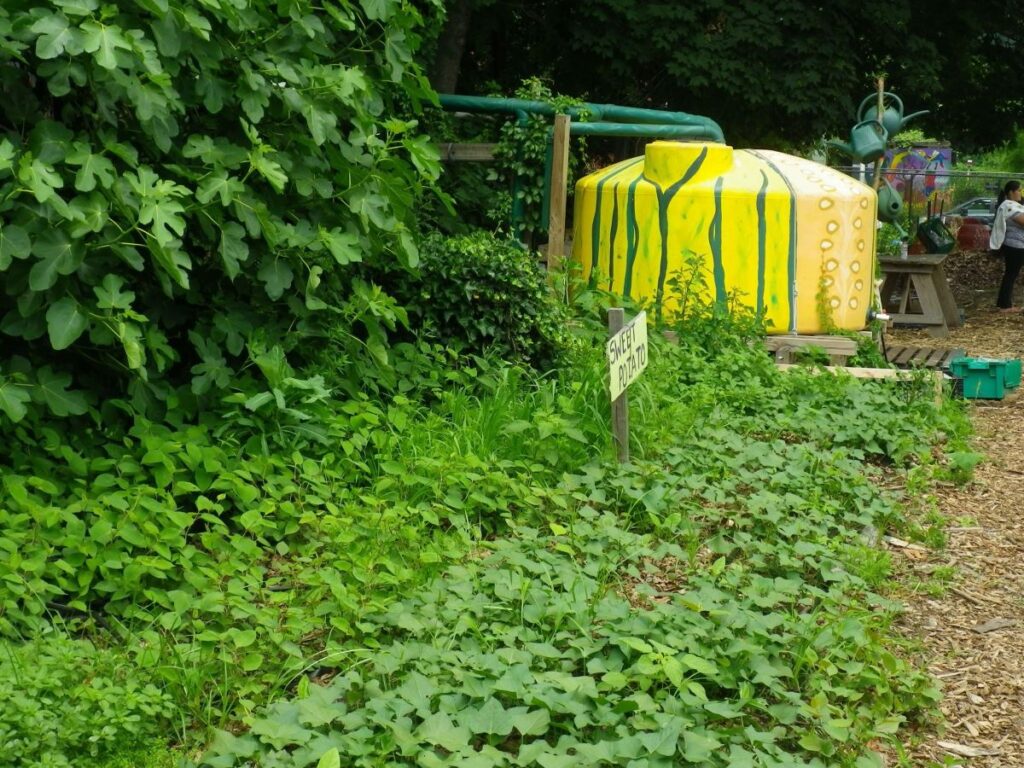
Rainwater harvesting methods Credit: Chris Hamby, Flickr
Over 1.8 million households and companies in Germany collect rainwater in tanks for reuse, making it Europe’s largest market for rain harvesting.
The country´s rainwater tax is a community levy which amounts to over a hundred euros per year. The households are charged for water that drains into the public sewer system, causing damage to the residents, their property and the environment.
To avoid flooding Germany´s residents began collecting rainwater, reducing the water consumption and reusing it to water their gardens, wash their cars and maintain the toilets. This is achieved by digging ditches and redirecting the water flow, as well as placing cisterns to collect water under the downpipes.
These principles are fairly easy to follow and according to the European Commission could save almost a third of the water consumption.
In Spain, with the rise in drought and 80 per cent of water intake currently being absorbed by agriculture, the researcher Salvador Sanchez-Carillo made a warning about the future: “If water management doesn’t change, the country will become a desert”.
Although not on as large a scale as in Germany, the Spanish government is beginning to take measures, incorporating SWUDs (Water Sensitive Urban Design) into the country. Especially common in Barcelona, the SWUDs make use of natural resources and reuse water, focusing on the most flooded areas of the city and renovating surfaces into pervious ones to maintain the flow of rainwater and ensure a more sustainable future.
Follow Euro Weekly News on Google News
Get breaking news from Spain, travel updates, and expat stories directly on your Google News feed.
Follow on Google NewsSign up for personalised news
Subscribe to our Euro Weekly News alerts to get the latest stories into your inbox!
By signing up, you will create a Euro Weekly News account if you don't already have one. Review our Privacy Policy for more information about our privacy practices.


Anna Akopyan
From Moscow to Costa Blanca, Anna has spent over 10 years in Spain and one year in Berlin, where she worked as an actress and singer. Covering European news, Anna´s biggest passions are writing and travelling.
Comments