La Cueva del Tesoro celebrates 50 years
By Catherine McGeer • Published: 02 Nov 2024 • 11:11 • 1 minute read
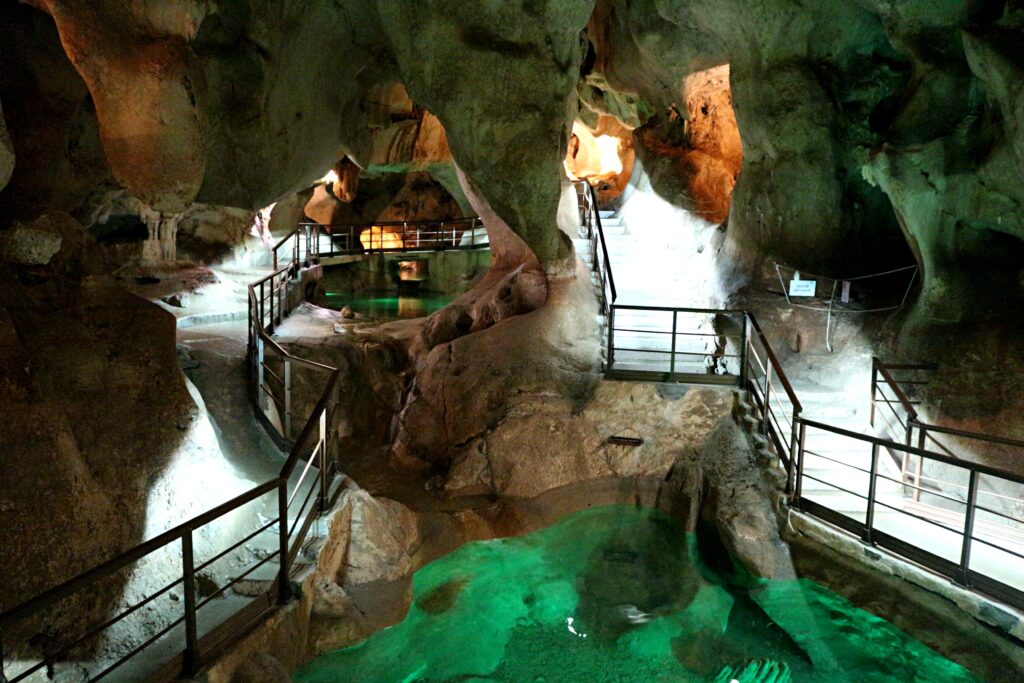
50 years of ancient discoveries Image: Shutterstock/Ezequiel Robles Ortiz
LA CUEVA DEL TESORO in Rincón de la Victoria is celebrating its 50th anniversary since opening to the public.
How La Cueva del Tesoro became a tourist attraction
This fascinating cave, one of only ten underwater-origin caves in the world, has a rich history that dates back thousands of years. Originally owned by Enrique Laza Herrera, it was his nephew, Manuel Laza Palacio, who transformed it into a popular tourist destination in the 1970s.
Important archaeological discoveries in the cave
Manuel’s passion for archaeology led to significant discoveries inside the cave, including ancient rock art and a ceramic lamp containing six gold coins from the 12th century. These findings contributed to the cave’s reputation, earning it the name ‘Cave of Treasure.’
Cultural protection and significance of the cave
Since it became a cultural asset in 1985, La Cueva del Tesoro has seen a huge increase in visitors, with more than 75,000 people exploring its depths in 2023 alone. The local government is committed to preserving this historic site, making it an essential part of Rincón de la Victoria’s cultural landscape. With its mysterious legends and rich archaeological treasures, La Cueva del Tesoro continues to draw locals and tourists, eager to uncover its secrets.
Follow Euro Weekly News on Google News
Get breaking news from Spain, travel updates, and expat stories directly on your Google News feed.
Follow on Google NewsSign up for personalised news
Subscribe to our Euro Weekly News alerts to get the latest stories into your inbox!
By signing up, you will create a Euro Weekly News account if you don't already have one. Review our Privacy Policy for more information about our privacy practices.




Catherine McGeer
Catherine is an Irish writer who has lived in Spain for over 20 years. Based on the Costa Cálida, she covers local news and community stories, often drawing on her own experiences of family life on the Spanish coast. At Euro Weekly News, Catherine brings a relatable perspective to the everyday events and regional issues that shape life in southern Spain.
Comments