Do not scan the QR code: Spanish Police warn about ‘highly dangerous’ new scam
By Marc Menendez-Roche • Updated: 18 Dec 2024 • 17:30 • 2 minutes read

Woman wearing fitness clothing scanning a fraudulent QR Code on unknown package. Credit: Shutterstock, Monkey Business Images
With parcels piling high in letterboxes across the nation this festive season, police and local councils are urging residents to beware of a sinister new scam leaving unsuspecting victims out of pocket and with their personal details at risk.
During the holiday season, people are busier, more distracted, and off their usual routines. Scammers take advantage of this.
The so-called ‘brushing scam’ sounds harmless enough but could land you in hot water faster than you can say ‘return to sender.’ Both the Spanish National Police and the Guardia Civil are on high alert, warning locals to stay vigilant and steer clear of this sneaky ploy.
What’s the brushing scam all about?
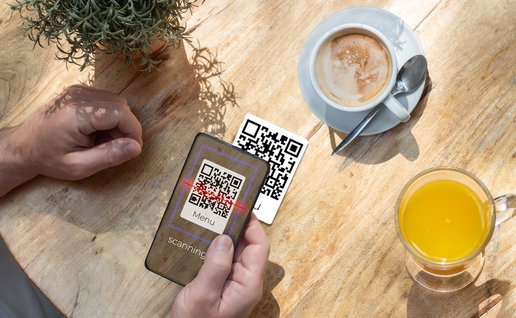
Here’s how it works: you receive an unexpected package from Amazon or another online retailer. Inside, there’s a mystery gift – a Bluetooth speaker, a shiny bracelet, or even a trendy ring. But there’s no note, no sender, just a QR code inviting you to scan for more info.
But, wait, think twice before you scan! That innocent-looking code could whisk you off to a phishing website designed to harvest your personal and financial details. In the worst-case scenario, your bank accounts could be drained quicker than a cheap bottle of Prosecco at a Costa del Sol hen do.
Keep the gift, ditch the risk
The good news? If you’ve already received one of these dodgy deliveries, you can keep or bin the gift – just don’t scan the code. The OCU – Spain’s Consumer Association – flagged the scam earlier this year, but so far, there have been relatively few victims. Still, to make sure people don’t get scammed this Christmas, they’re spreading the word fast.
Scam artists ramp up for Christmas chaos
It’s not just brushing scams causing headaches this holiday season. Officials have issued a ‘Santa’s naughty list’ of scams designed to prey on stressed-out and distracted shoppers.
Check out this SCAM mnemonic:
S – Stop talking and hang up!
Never share personal information or make payments through cryptocurrency, gift cards, wire transfers, or cash. Be weary of sharing your voice down the phone during calls with unknown numbers, as even your voice can be cloned using certain AI tools.
C – Call a trusted source.
If you suspect foul play, verify information by contacting the official number yourself. Don’t fall for ‘spoofed’ phone numbers pretending to be from trusted sources.
A – Alert the authorities.
Report scams to the police. Just ring 091 or 112 to report.
M – Make sure your friends and family know.
Spread the word to help protect your loved ones from falling victim.
Stay sharp this Christmas peeps
Whether it’s a surprise delivery or a fishy phone call, scammers are out in full force this festive season. So, think before you click, pause before you pay, and keep your wits about you. After all, no one wants to unwrap a scam on Christmas morning.
Read more news in English from around Europe.
Find more news in English from around Spain.
Follow Euro Weekly News on Google News
Get breaking news from Spain, travel updates, and expat stories directly on your Google News feed.
Follow on Google NewsSign up for personalised news
Subscribe to our Euro Weekly News alerts to get the latest stories into your inbox!
By signing up, you will create a Euro Weekly News account if you don't already have one. Review our Privacy Policy for more information about our privacy practices.




Marc Menendez-Roche
Marc is a writer, educator, and language enthusiast with a background in business and legal communication. With over a decade of experience in writing and teaching, he brings a clear, engaging voice to complex topics—guided by a keen interest in educational neuroscience and how people learn. At Euro Weekly News, Marc contributes lifestyle features and community-focused stories that highlight everyday life across Spain. His ability to connect language, learning, and lived experience helps bring depth and relatability to the topics he covers.
Comments