Spain PM does not rule out cyberattack, court investigates sabotage
By Olivier Acuña Barba • Updated: 29 Apr 2025 • 14:53 • 2 minutes read
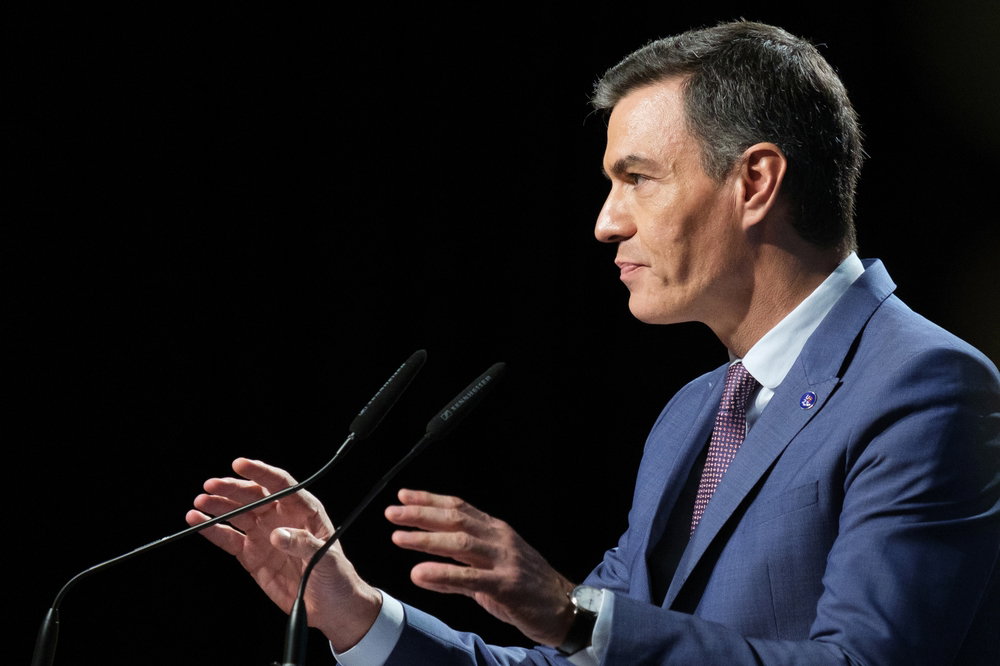
Sanchez says sabotage is being investigated but ruled out renewable energy production as the cause | Photo: Oscar Gonzalez / Shutterstock
Minutes after Spain’s high court ordered a preliminary investigation into the power blackout to determine if it was an act of sabotage, Prime Minister Pedro Sanchez said there was no information to suggest it was a cyberattack, although it is being investigated.
Sanchez held a news conference on Tuesday afternoon, stating that technicians are still trying to determine the cause of the blackout. “What happened yesterday cannot ever happen again,” he commented. Hours earlier, the REE released a preliminary assessment ruling out a cyberattack. However, Sanchez said the country’s cybersecurity authorities are investigating this possibility.
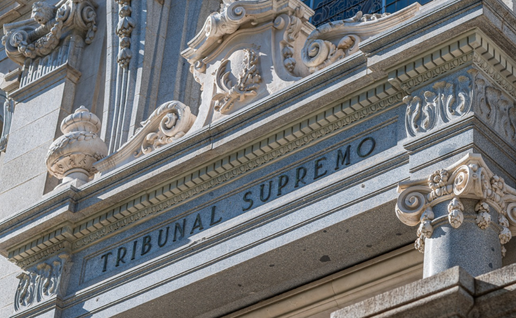
Jose Luis Calama, a judge in Spain’s national court, ordered a preliminary investigation into the power blackout minutes before Sanchez’s press conference. Calama explained that investigators will examine whether the outage was caused by an act of cyber sabotage, which, if it were, would be classified as a terrorist act, he added.
Reports from relevant parties, including intelligence agencies, are being requested within a non-extendable 10-day period. The results must clearly and irrefutably identify the exact cause of the outage that affected millions of people across Spain, Portugal, and parts of France.
Judge Calama said that, for now, cyber terrorism should not be ruled out.
The renewable energy theory gains traction
The Spanish prime minister ruled out that Monday’s power outage was caused by his country generating a large amount of energy via renewable sources. He was referring to an April 21st milestone reported by the country’s power grid operator, Red Electrica (REE), saying the entire nation had been powered 100% by renewable energy. Experts disagree.
Ed Conway, Sky News’s economics and data editor, says it is a “plausible theory”.
“When you are massively reliant on things like solar and wind and you don’t have that much gas-powered generation going on, then it does leave you more vulnerable to things like this happening. There’s something called inertia in the system,” Conway wrote.
It’s a scary thing
“When you’ve got lots of generators turning at a certain RPMs, it means there’s the ability of a big power grid to deal with sudden falls,” he added. “When you have a lot of solar, when you don’t have a lot of those things turning, then you’re much more vulnerable.”
Conway said, “That’s the scary thing – is the system more vulnerable to it [when there is a lot of wind and solar]. The theory would say it is.”
Given that Spain is one of Europe’s largest producers of renewable energy, the theory becomes more credible.
REE data show that solar photovoltaic (PV) energy was providing almost 59 per cent of Spain’s electricity at the time of the blackout, while wind power was providing nearly 12 per cent, nuclear power was providing practically 11 per cent, and combined cycle gas plants were providing 5 per cent.
Follow Euro Weekly News on Google News
Get breaking news from Spain, travel updates, and expat stories directly on your Google News feed.
Follow on Google NewsSign up for personalised news
Subscribe to our Euro Weekly News alerts to get the latest stories into your inbox!
By signing up, you will create a Euro Weekly News account if you don't already have one. Review our Privacy Policy for more information about our privacy practices.

Olivier Acuña Barba
Olivier is a veteran journalist with over 40 years of experience writing in both English and Spanish. His career has covered a wide spectrum of topics—including organised crime, politics, business, entertainment, and international affairs—with work published by major outlets such as The Guardian, ITV News, and the Associated Press. At Euro Weekly News, Olivier brings depth and insight to stories that inform and engage international readers, drawing on decades of frontline reporting and interviews with world leaders, ministers, and renowned cultural figures.
Comments