Spain’s new short-term rental rules: How to obtain the unique registration code
By Farah Mokrani • Published: 03 Jun 2025 • 12:10 • 4 minutes read
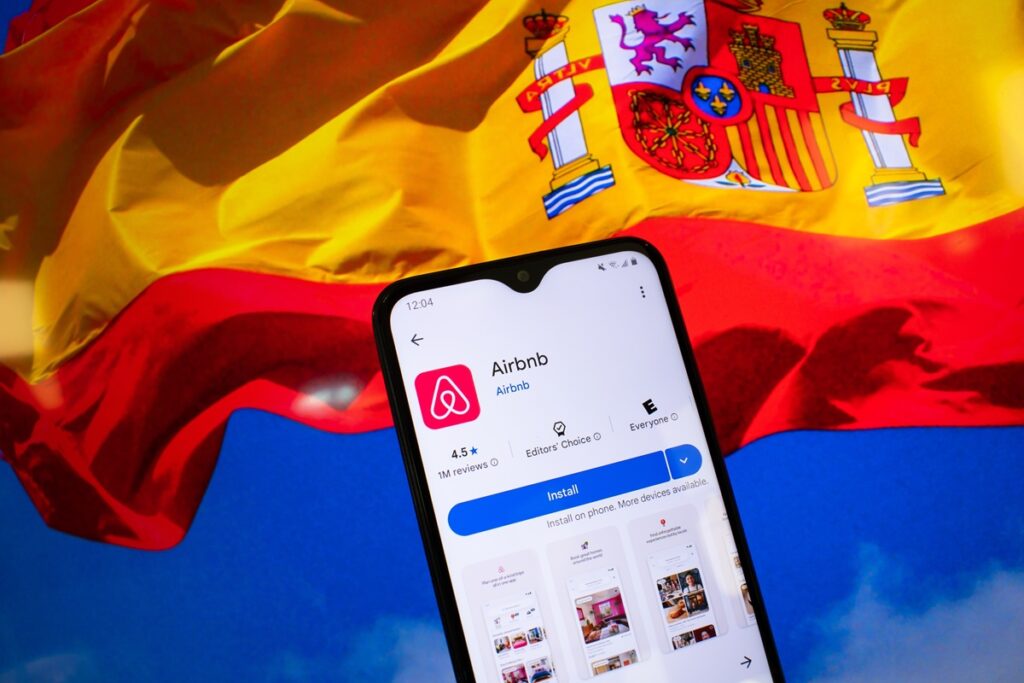
Spain’s new short-term rental law requires hosts on platforms like Airbnb to get a unique registration code—without it, listings will be illegal from July 2025. Credit : Charles-McClintock Wilson, Shutterstock
Spain is famous for sun, sangria, and the kind of holidays that make you want to move here for good. It’s no wonder everyone and their cousin is renting out a flat, a villa, or even a spare room on Airbnb these days. But starting this summer, things are changing for hosts, and if you want to keep your rental legal (and your guests happy), you’ll need to get to grips with Spain’s new rules for short-term lets.
So, what’s the big fuss? From July 1st, 2025, anyone who rents out their property, or even just a room, on a short-term basis in Spain needs a brand-new, official registration code. This rule isn’t just a Spanish thing. It’s coming straight from the European Union, and yes, the government is taking it seriously.
If you’re thinking “Oh no, more paperwork!”, don’t panic. Here’s everything you need to know, explained simply, so you can get your code, keep your booking calendar open, and get back to what you love—welcoming guests from around the world.
What’s new for short-term rentals and why should you pay attention?
First up, this isn’t just for big-time landlords or agencies. If you let out your beach apartment once a year or just want to make some extra money over the holidays, this law is for you too. The rule is designed to make the market more transparent and to crack down on dodgy or unlicensed rentals. Authorities want every listing, on Airbnb, Booking.com, Vrbo, you name it, to have a traceable, government-issued registration code.
No code? Your listing will be removed from platforms, and you could face hefty fines. Not ideal.
Step-by-step: How do you get the registration code?
- Gather your documents (Don’t worry, it’s not a tax return)
Let’s keep this bit painless. Here’s what you’ll need:
- The cadastral reference number for your property (you’ll find this on your property deeds, or a quick search online at the cadastre site).
- Your full property address—exactly as it appears in official records.
- The type of rental (whole property or just a room).
- The maximum number of guests you’re allowed by local rules.
- Any regional paperwork you might already have (like a local tourism licence or energy certificate).
If you already rent out your place legally, you’ve probably got most of this ready to go.
- Go online and apply
Spain’s made this bit digital (thank goodness). Head over to the website for the Colegio de Registradores (that’s the official Land Registry). There’s an English version if your Spanish isn’t up to scratch.
You’ll need to:
- Create an account.
- Fill in a straightforward form with your details.
- Upload scanned copies or clear photos of your documents.
It’s no harder than booking a flight online—just check you’ve typed everything in correctly, or the system might bounce your application back.
- Wait for the green light
After you submit, you’ll get a confirmation email. Normally, you should get your code in a few days. If there’s a backlog (it is Spain, after all), you might need a bit more patience.
If something’s missing, don’t stress—they’ll email you and tell you what to add.
- Add the code EVERYWHERE
Once you’ve got your code, this is key: add it to your online listings on Airbnb, Booking.com, or wherever you advertise. If you forget, platforms will have to take your ad down, and that’s your income gone.
What happens if you ignore the new short-term rental rules?
Honestly, don’t. From July 2025, the authorities will know which properties are registered and which aren’t, thanks to all the platforms sharing data. If you try to wing it without a code, your ad will vanish, and if you get caught renting anyway, you’re looking at big fines and possible bans.
Common questions (and real answers)
What if I already have a regional registration?
You still need to register nationally, but your local number will be linked in the system. The point is to have a single national database.
Is there a fee?
The code itself should be free, but some regions might charge for extra paperwork.
Do i need to register for every property?
Yes, each property or room you rent out gets its own code.
What about digital nomads renting their flat while travelling?
If you’re renting it as a short-term let (anything under 30 days at a time), this rule applies.
Why comply? The real benefits of getting registered
Look, the paperwork is a faff, but it’s also peace of mind. Guests will be happier booking legal rentals, neighbours won’t complain, and you won’t be nervously refreshing your inbox for a nastygram from the authorities. Plus, it helps make the whole short-term rental scene a bit fairer for everyone.
Final tips
- Don’t wait till the last minute. Get your papers together and start the application before the summer rush.
- Double-check local rules. Some regions (like the Balearics or Barcelona) have extra hoops to jump through.
- Stay informed. This is a new system, so keep an eye on official updates in case anything changes.
If you want to keep your rental open for business, get registered. It’s the law, it’s not as hard as it sounds, and with a bit of effort now, you can relax and look forward to another busy season of happy guests.
For official info and the latest updates, check the Colegio de Registradores or your local council’s website.
Stay tuned with Euro Weekly News for the latest news from Spain
Sign up for personalised news
Subscribe to our Euro Weekly News alerts to get the latest stories into your inbox!
By signing up, you will create a Euro Weekly News account if you don't already have one. Review our Privacy Policy for more information about our privacy practices.




Farah Mokrani
Farah is a journalist and content writer with over a decade of experience in both digital and print media. Originally from Tunisia and now based in Spain, she has covered current affairs, investigative reports, and long-form features for a range of international publications. At Euro Weekly News, Farah brings a global perspective to her reporting, contributing news and analysis informed by her editorial background and passion for clear, accurate storytelling.
Comments