Apple renames all its software — here’s what’s changing.
By Tarek Salame • Published: 10 Jun 2025 • 11:08 • 3 minutes read
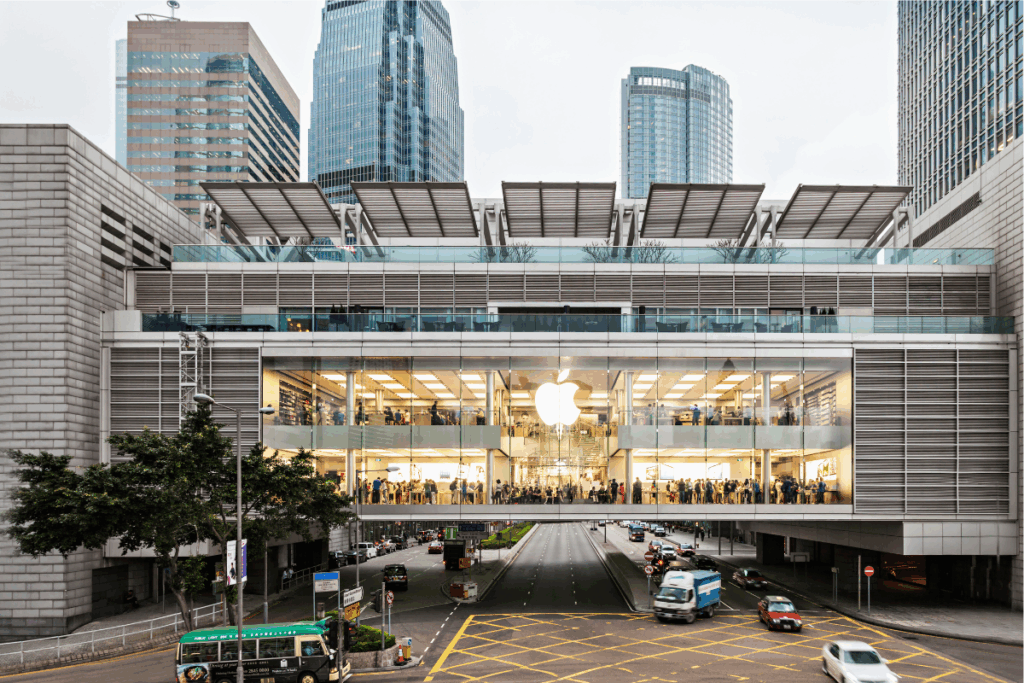
Inside Apple’s global ecosystem — one number, many devices. Credit: Andrey X via Canva Pro
Apple’s operating systems spoke different numerical languages. iPhones run on iOS 17, while MacBooks run on macOS 14. The Apple Watch runs on version 10, and the Vision Pro runs on version 2. For users, developers, and even Apple diehards, confusion reigns. Like, how would you know what’s the latest, which platforms were ahead, and why did everything feel like it was out of sync?
Now Apple is drawing a clean line through the confusion. At WWDC 2025, the company announced that all of its major software platforms will adopt a single version number, 26. Hence, iOS 26, macOS 26, watchOS 26, even tvOS and VisionOS are joining this rebrand. It’s a subtle change, but Apple’s ecosystem is expanding, and it needs to speak with a unified voice moving forward.
Apple’s 26th version
It’s not only about the rebrand, but also about coherence, because up until now, Apple’s version numbers have felt like overlapping timelines from different universes.
- iPhones jumped from iOS 15 to 18 within a few years
- Macs crawled from version 11 to 14
- Vision Pro, which is Apple’s news device, launched with version 1 despite being part of the same ecosystem.
This mismatch is creating friction, not only for casual users who want to stay updated, but also for developers building applications across platforms. The numbers don’t align, even when the features do.
There’s also practical logic: Android and Microsoft already use a year-based naming convention, such as Windows 11 and Android 14, which is loosely tied to calendar years, making it easier for users to identify what’s current.
Apple shifts to a “26” system for all its platforms, making it easier to remember, follow, and future-proof.
Here’s what’s new
The change to “26” is symbolic, as all core platforms now share the same version number: iOS 26, macOS 26, iPadOS 26, watchOS 26, tvOS 26, and visionOS 26. No more mental gymnastics and trying to remember if the watch OS 11 is newer than
Regarding the naming scheme, Apple’s updates remain familiar with their annual releases, developer betas in June, and public rollouts in the Autumn. Each system continues to evolve on its own terms, incorporating new features tailored to the device.
That being said, this alignment opens the door to deeper integration in the future. Apple isn’t just standardising the names, it’s hinting towards a more unified ecosystem.
Cross-platform features feel native and not patched together. The version number is the starting point; what comes next could be more ambitious.
The Liquid Glass aesthetic
Alongside the naming reset, it’s also polishing its visual identity literally. All the platforms are getting an interface redesign centred on what the company calls ‘liquid gas’. It will feature more transparent, softer edges and layered, glass-like surfaces that play with light and depth.
The goal is to unify, so whether you’re using a MacBook and iPad or a Vision Pro headset:
- The interface now speaks the same design language
- The menu is displayed the same way
- The widgets behave more predictively
The control centre is across the devices, which have been brought into closer alignment. So yes, Apple’s design wants to be flexible enough for AR, Tactical enough for touch and clean enough for a watch—Liquid Glass is the aesthetic Bridge.
The new ecosystem
For users who currently juggle iPhones, Macs, watches, and Vision Pro, this alignment is long overdue; instead of mentally tracking which platform is on which number, everything is now part of the same yearly rhythm.
Updates are easier to follow, and the ecosystem feels more like an actual ecosystem. Apple’s goal is to become more interconnected, and the line between physical and digital becomes clear. The company is trying to create a seamless environment, not just a suite of products.
So, the shared names are just the beginning. Shared features, shared interfaces, and one day sharing applications across all devices? That’s where the logic points. So, no, iOS 26 is not just a number; it’s a signal that Apple’s various platforms are no longer walking in parallel —they’re finally moving as one.
Sign up for personalised news
Subscribe to our Euro Weekly News alerts to get the latest stories into your inbox!
By signing up, you will create a Euro Weekly News account if you don't already have one. Review our Privacy Policy for more information about our privacy practices.





Tarek Salame
Tarek is a writer and digital marketer based in Barcelona, with a passion for turning complex ideas into clear, compelling narratives. With a background in marketing communications, tech, and content strategy, he has worked across industries ranging from cloud computing and fintech to fire safety and science. At Euro Weekly News, he contributes thoughtful, accessible stories that connect readers with topics shaping the modern world.
Comments