Five scorpions to watch out for in Spain
By Molly Grace • Updated: 17 Aug 2025 • 17:58 • 2 minutes read
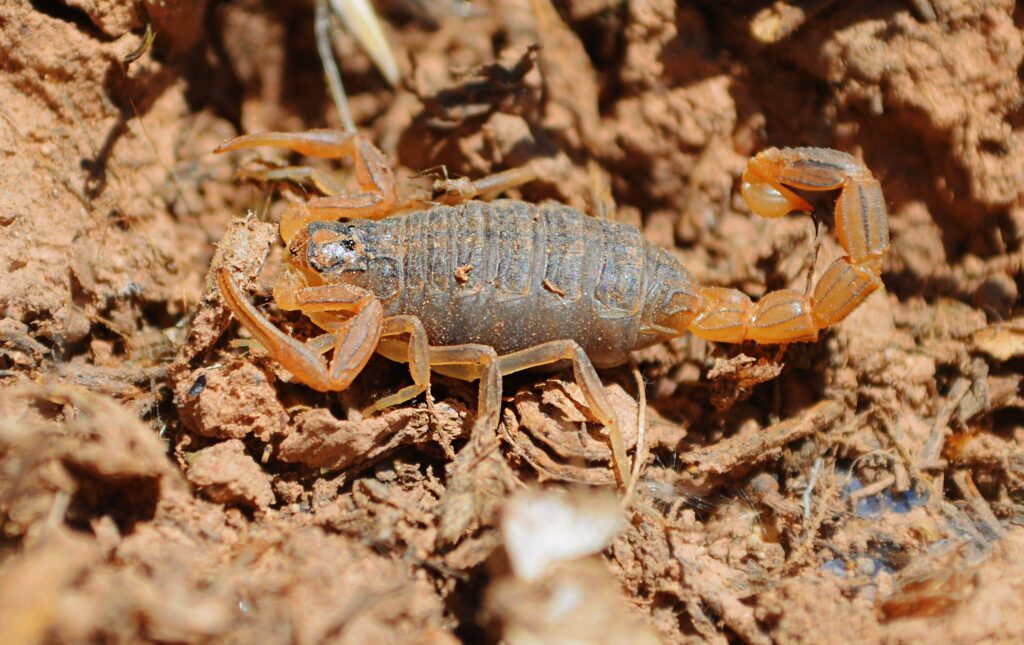
Buthus Occitanus is one of Spain's most venomous scorpions. Photo credits: Molly Grace
SPAIN is home to a variety of scorpion species, most of which are small and pose little threat to humans, but their presence can still surprise residents and travellers alike. Understanding their habits, habitats, and safety precautions is essential for anyone spending time outdoors in the country, whether exploring rural areas, hiking in the hills, or simply walking through gardens.
Scorpions in Spain are predominantly found in the southern and eastern regions, particularly in Andalucía, Murcia, Valencia, and Cataluña. They thrive in arid, rocky, and scrubby environments, where they can hide under stones, logs, and crevices during the heat of the day. Some species are also found in gardens, under roof tiles, and occasionally inside homes, particularly in rural or semi-rural areas. While most species prefer lowland areas, a few, such as Euscorpius italicus, are found in mountainous regions in northern Spain, demonstrating the adaptability of these creatures to different climates and terrains.
The most commonly encountered species include:
- Buthus occitanus: Native to southern Spain, yellowish-brown in colour; sting causes local pain, swelling, and discomfort, occasionally more severe in sensitive individuals.
- Buthus ibericus: Found throughout the Iberian Peninsula, similar to Buthus occitanus, with moderately potent venom that can produce notable pain and inflammation.
- Buthus gonzalezdelavegai: Recently discovered in 2024 in Doñana National Park, Andalucía; inhabits sandy areas and dunes; venom considered similar to other Buthus species, capable of causing localised discomfort.
- Euscorpius flavicaudis: Widespread in northern and central Spain; smaller and generally harmless to humans, often avoiding contact with people.
- Euscorpius italicus: Found in mountainous areas; slightly larger than other Euscorpius species and harmless to humans, rarely encountered outside its preferred rocky habitats.
Spanish scorpions are generally small, ranging from 3 to 7 centimetres (1.2–2.8 inches) in length. Their colours vary from pale yellow to dark brown, and their bodies are segmented with a characteristic curved tail ending in a stinger. While larger species may appear intimidating, they are usually shy and avoid human contact, preferring to retreat rather than attack.
The venom of Spanish scorpions is primarily neurotoxic, designed to immobilise their prey. For humans, a sting usually results in pain, redness, swelling, and itching at the site. Severe systemic reactions are extremely rare, but allergic responses can occur in sensitive individuals, potentially requiring medical attention. Among the species in Spain, Buthus species have more medically significant venom than the milder Euscorpius species, but fatalities are virtually unheard of.
Scorpion activity is highest during the warmer months, from May through September, when temperatures are conducive to hunting, mating, and dispersal. During colder months, scorpions enter a state of reduced activity or burrow deeper into the soil, making encounters far less likely. If you encounter a scorpion in Spain, it is important to remain calm. Do not provoke it, as scorpions generally sting only in self-defence. Wearing protective clothing, such as boots and gloves, is advisable if walking in rocky or overgrown areas. Always check bedding, shoes, and outdoor equipment, as scorpions can hide in small crevices or shaded spots.
If stung, clean the area with soap and water, apply a cold pack to reduce pain and swelling, and over-the-counter pain relievers can help alleviate discomfort. Seek medical attention if symptoms worsen, or if the victim is a child, elderly, or allergic, as these groups are more susceptible to complications. While the idea of scorpions may be alarming, the species found in Spain are generally not life-threatening. Most encounters involve minor stings that heal without complications. Understanding where scorpions live, their behaviour, and how to react ensures that both locals and tourists can safely enjoy Spain’s diverse landscapes without unnecessary fear. Awareness, simple precautions, and respect for these small but fascinating creatures are key to coexisting with them safely.
Follow Euro Weekly News on Google News
Get breaking news from Spain, travel updates, and expat stories directly on your Google News feed.
Follow on Google NewsSign up for personalised news
Subscribe to our Euro Weekly News alerts to get the latest stories into your inbox!
By signing up, you will create a Euro Weekly News account if you don't already have one. Review our Privacy Policy for more information about our privacy practices.




Molly Grace
Molly is a British journalist and author who has lived in Spain for over 25 years. With a background in animal welfare, equestrian science, and veterinary nursing, she brings curiosity, humour, and a sharp investigative eye to her work. At Euro Weekly News, Molly explores the intersections of nature, culture, and community - drawing on her deep local knowledge and passion for stories that reflect life in Spain from the ground up.
Comments