Denmark is cutting electricity tax to almost zero in 2026–27
By Farah Mokrani • Published: 21 Aug 2025 • 15:37 • 2 minutes read
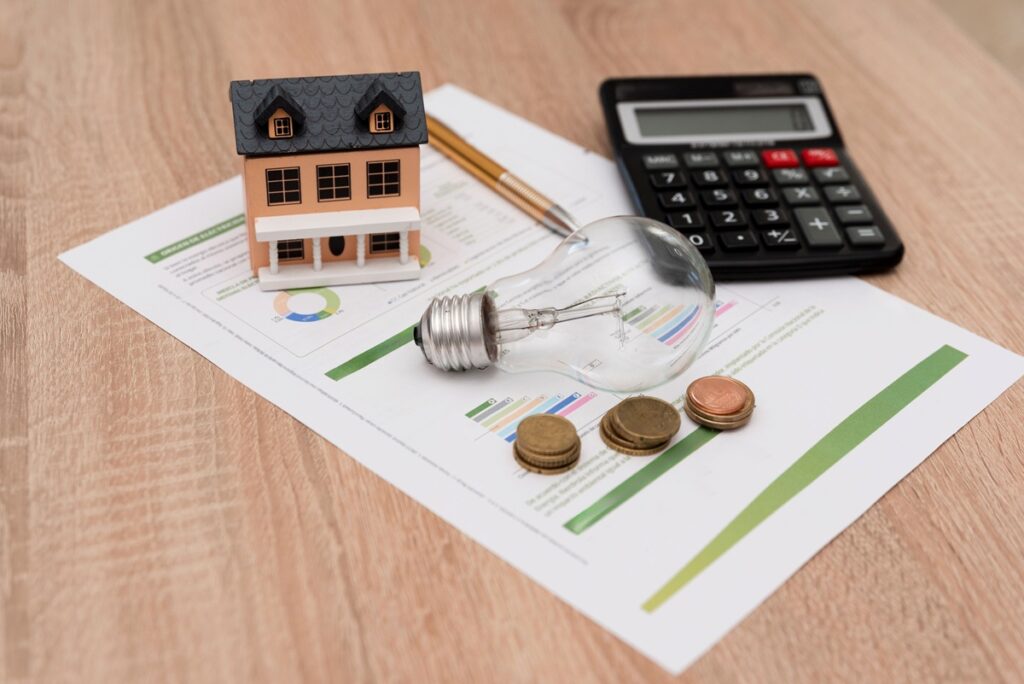
Power bills relief: Denmark will cut the electricity duty to the EU minimum in 2026–27, dropping from ≈€0.097/kWh to ≈€0.0011/kWh. Typical homes are set to save about €134–€533 a year during the two-year measure. Credit : Renata Photography, Shutterstock
Relief is coming for Danish households. The government will slash the electricity duty (elafgift) to the EU minimum of 0.8 øre/kWh in 2026 and 2027, down from 72.7 øre/kWh today.
In euro terms (using €1 ≈ DKK 7.46), that’s a drop from about €0.097/kWh to roughly €0.0011/kWh — close to zero. The three governing parties say the cut is a quick way to give families “a bit more elbow room” after years of rising prices.
How much will households actually save (in euros)?
Ministers say the cut will show up directly on bills, with savings varying by usage. Government examples convert to approximately:
- Single person in a flat: about €134 a year (DKK 1,000)
- Pensioner couple in a house: about €358 a year (DKK 2,675)
- Working family in a house: about €533 a year (DKK 3,975)
The attraction is speed. As Foreign Minister Lars Løkke Rasmussen notes, ideas like tweaking VAT on groceries would take two to three years to build. Cutting the power duty can be done now, and everyone who flips a light switch benefits.
What will it cost the state – and what happens after 2027?
Lowering the levy to the EU floor isn’t free. Finance officials put the hit to revenues at about €951 million in 2026 (DKK 7.1bn) and around €938 million in 2027 (DKK 7.0bn). After that, there’s no firm pledge. Defence Minister Troels Lund Poulsen says he’d like the duty to stay low permanently, but for now the commitment runs for two years while ministers watch the economic weather.
It’s not the first time Denmark has eased the tax. In 2023, at the height of the energy spike, the electricity duty was temporarily phased out for six months to cushion bills. This time the relief is deeper and longer — two full years.
Why now and what should consumers expect?
The goal is to protect household budgets as inflation in everyday items – especially food – has bitten hard. By pushing the levy down to the legal minimum, the government is backing a simple, visible measure that doesn’t require complex new systems and reaches all consumers, whether you’re in a studio flat or a family home running heat pumps and EV charging.
From January 2026, the electricity line on Danish bills should shrink noticeably, with typical homes saving roughly €134–€533 a year through 2026 and 2027. What happens after that is a political question — but for now, Denmark is giving power prices a two-year breather.
Stay tuned with Euro Weekly News for more news from Denmark
Sign up for personalised news
Subscribe to our Euro Weekly News alerts to get the latest stories into your inbox!
By signing up, you will create a Euro Weekly News account if you don't already have one. Review our Privacy Policy for more information about our privacy practices.



Farah Mokrani
Farah is a journalist and content writer with over a decade of experience in both digital and print media. Originally from Tunisia and now based in Spain, she has covered current affairs, investigative reports, and long-form features for a range of international publications. At Euro Weekly News, Farah brings a global perspective to her reporting, contributing news and analysis informed by her editorial background and passion for clear, accurate storytelling.
Comments