Inside the Multibillion-Euro pet food farce
By Molly Grace • Updated: 27 Aug 2025 • 18:28 • 3 minutes read
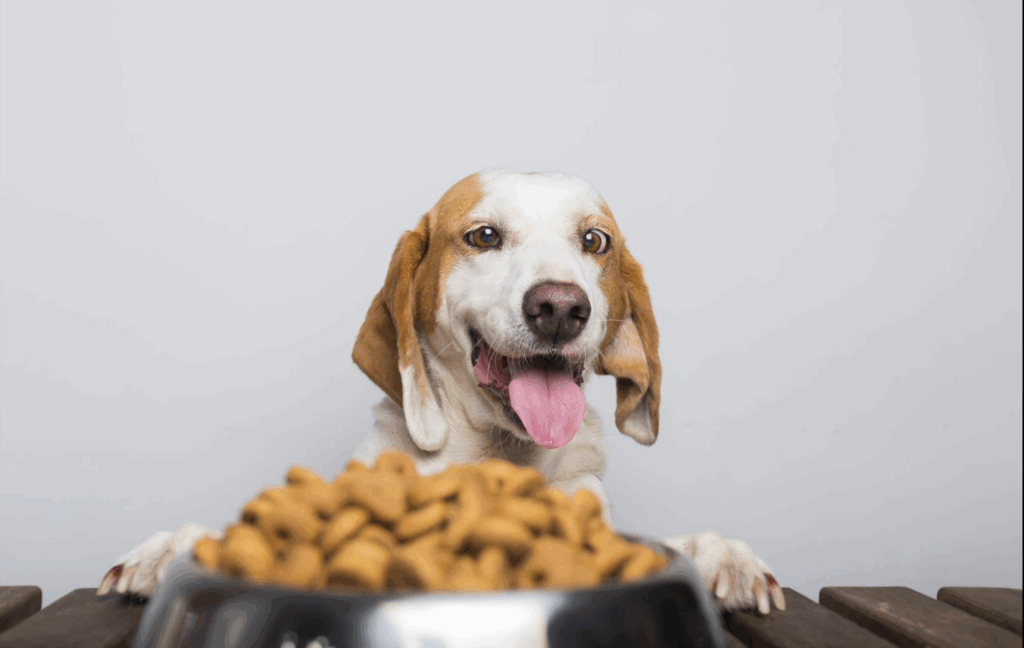
The majority of pet foods available on the market are not suitable for our four legged companions. Photo credit: Wirestock/Freepik
The pet food industry is a multibillion-euro market across Europe and beyond, yet studies and veterinary nutritionists estimate that a huge portion of commercial pet foods are not suitable for long-term animal health.
What appears convenient, affordable, and endorsed by major brands often hides a worrying reality: cheap fillers, sugars, artificial additives, and low-quality meat sources dominate many products. These diets can contribute to obesity, diabetes, digestive problems, skin conditions, and even shorten pets’ lifespans. The issue is not only what is present in the food but also what is missing—essential nutrients dogs, cats, and ferrets need to thrive. It is important to note that labels claiming “veterinary approved” or “vet recommended” do not automatically guarantee that a food is biologically appropriate. In many cases, such endorsements simply mean a veterinarian has been paid to approve the product, not that it meets the highest nutritional standards. Most veterinarians receive minimal training in animal nutrition unless they have specialised in it, so an approval stamp does not necessarily indicate optimal health benefits for your pet.
Cats: Obligate Carnivores with Strict Nutritional Needs
Cats, are obligate carnivores. Their bodies are designed to thrive on animal protein and fat, not carbohydrates. Unlike omnivores, they cannot efficiently convert plant-based proteins, and vital nutrients such as taurine, arachidonic acid, and pre-formed vitamin A are found only in animal tissue. Diets low in high-quality meat can lead to severe health conditions, including blindness, heart disease, and organ dysfunction.
A healthy feline diet should therefore be high in animal protein with minimal carbohydrates. Wet foods, carefully formulated high-meat kibbles, or commercially balanced diets are preferable to grain-heavy supermarket brands. Owners should look for:
- At least 60–70% clearly named meat (e.g., chicken, rabbit)
- No sugars or unnecessary grains (wheat, corn, rice, barley)
- No vague terms like “meat derivatives” or “animal by-products”
- Added taurine and essential fatty acids where not naturally abundant
Dogs: Omnivores with Flexible Diets and Raw Feeding
Dogs are omnivores and can digest grains due to enzymes developed over thousands of years living alongside humans. Grain-free diets are generally unnecessary, but the majority of commercial dog foods still contain low-quality cereals, by-products, fillers, and added sugars, providing inadequate nutrition.
Raw feeding is increasingly popular for dogs, offering highly digestible protein, natural fats, and essential nutrients. When properly formulated, raw diets can support muscle development, dental health, and vitality. However, studies highlight serious risks: a review in the Netherlands found 86% of commercial raw pet foods contained harmful bacteria such as E. coli or Listeria, which threaten both dogs and humans. Furthermore, a veterinary nutrition review showed that 95% of home-prepared dog recipes are nutritionally incomplete, often missing essential minerals and vitamins or having imbalanced calcium-to-phosphorus ratios. Owners considering raw feeding should consult a veterinary nutritionist and use trusted commercial raw brands that test for pathogens and ensure nutrient adequacy.
A healthy canine diet, raw or cooked, should include:
- Clearly named meat sources listed first (not “meat meal” or “animal derivatives”)
- Digestible carbohydrates and vegetables in balanced amounts (brown rice, oats, vegetables)
- Minimal or no added sugars, colorants, or chemical preservatives
- At least 40–50% quality animal protein
Ferrets: Small Carnivores with Specialised Needs
Ferrets, like cats, are obligate carnivores. They require high protein, fat and Taurine with no fiber, sugar, fruits, or vegetables. Ideal diets contain 30–40% protein and 15–20% fat, with animal-based protein sources as the first ingredients. Cat food may suffice occasionally, but specifically formulated ferret diets are recommended to meet their rapid metabolism.
Broader Animal Nutrition Concerns
As an animal welfare and behaviour expert, I often see the consequences of poor nutrition reflected directly in behaviour, health, and overall wellbeing. Pets fed low-quality diets may appear lethargic, anxious, or develop repetitive behaviours, which are often misinterpreted as purely behavioural issues rather than underlying nutritional deficiencies. In cats, inadequate taurine or fatty acids can lead to neurological and cardiac problems, affecting both activity levels and social interaction. In dogs, chronic exposure to low-quality food can exacerbate digestive upset, lead to obesity, or create energy fluctuations that influence mood and trainability.
The problem of low-quality, inappropriate food extends beyond dogs, cats, and ferrets. In the equestrian world, studies suggest that 85% of horses’ diets are also suboptimal, highlighting a wider trend of commercially driven feed failing to meet species-specific nutritional needs. Across all species, many diets include ingredients animals should not be eating, from fillers and sugars to low-quality meat and plant-based proteins that can impair long-term health.
From an animal welfare standpoint, nutrition is not just about survival; it’s about enabling pets to thrive physically, mentally, and emotionally. Correct dietary choices are therefore one of the most effective tools owners have for improving quality of life and preventing avoidable health and behavioural problems.
Reading labels carefully, choosing biologically appropriate, transparent brands, and consulting veterinary nutrition experts are essential. Opting for diets that focus on high-quality, named meat, minimal fillers, and appropriate nutrient balance can dramatically improve vitality, longevity, and overall wellbeing. By moving away from the majority of low-quality, mass-produced products and prioritising species-appropriate nutrition, owners can ensure their pets, and even horses, live healthier, happier lives
Sign up for personalised news
Subscribe to our Euro Weekly News alerts to get the latest stories into your inbox!
By signing up, you will create a Euro Weekly News account if you don't already have one. Review our Privacy Policy for more information about our privacy practices.




Molly Grace
Molly is a British journalist and author who has lived in Spain for over 25 years. With a background in animal welfare, equestrian science, and veterinary nursing, she brings curiosity, humour, and a sharp investigative eye to her work. At Euro Weekly News, Molly explores the intersections of nature, culture, and community - drawing on her deep local knowledge and passion for stories that reflect life in Spain from the ground up.
Comments
CH
28 August 2025 • 12:23First, I receive NO commissions for this-
I continue to buy for my new puppy ( what I also bought for my cat in the USA)—HILL’s SCIENCE DIET. It can only be bought from your veterinarian and is, without question, the most nutritious pet food, made in the USA.
Comments are closed.