DHL delivery fraud steals banking details
By Molly Grace • Published: 04 Sep 2025 • 23:31 • 2 minutes read
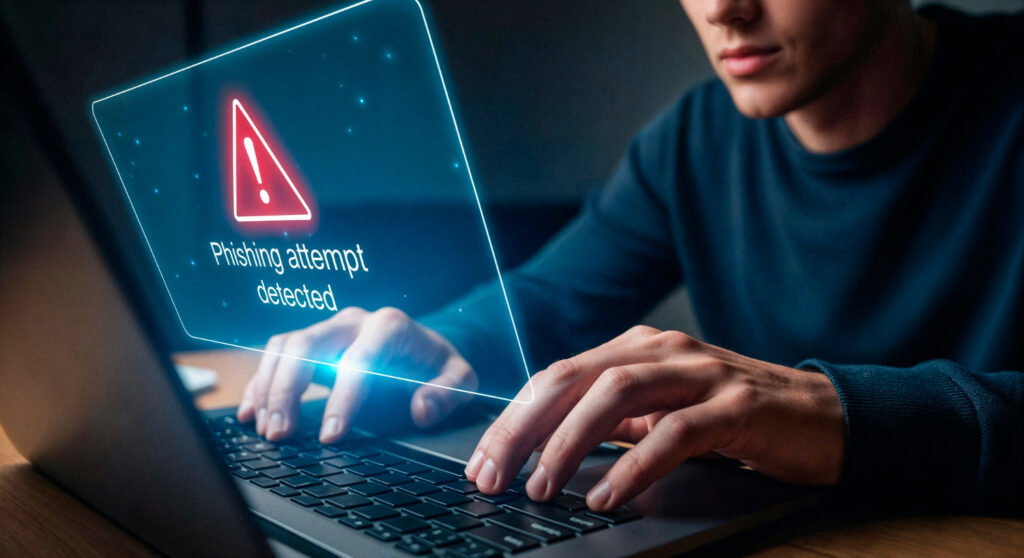
A fake DHL website has been scamming customers. Photo credit: Freepik
If you are waiting for a delivery, you may want to exercise extra caution. Authorities in Spain, including the Guardia Civil, have issued warnings about a growing scam in which fraudsters send fraudulent text messages or emails pretending to be from parcel delivery companies. The messages, often claiming to come from DHL or other well-known couriers, inform recipients that their package could not be delivered and urge them to take action by clicking on a link.
This Phishing scam has become increasingly common, particularly targeting individuals who are expecting an online order. According to recent reports, the fraudulent message often states that a parcel has been returned to sender. To recover it, victims are asked to pay a small fee, typically €2.86. At first glance this amount seems trivial, which is precisely why many people comply without hesitation.
The link included in the message leads to a fake website designed to mimic DHL’s official page, complete with branding, colours, and logos. Once on the fraudulent site, unsuspecting users are prompted to provide sensitive personal information, including their banking details. This is the central goal of the scheme: obtaining data that can later be exploited for identity theft or financial fraud. In some cases, clicking the link may also install malicious software on the victim’s device, further compromising their security. The Guardia Civil has highlighted how convincing these fraudulent messages can appear. The scammers copy not only the visual design of companies like DHL but also their tone of communication. Business Insider has reported that the messages are deliberately phrased to create urgency, often warning that deliveries will be cancelled unless the recipient acts immediately. This sense of pressure is used to push individuals into making snap decisions without questioning the legitimacy of the request.
Security experts recommend several steps to avoid falling victim to such scams. The most important rule is to avoid clicking on links contained in unexpected messages. If you are genuinely waiting for a delivery, the safest option is to check directly through the courier’s official website or mobile application. Legitimate tracking services will always provide the correct status of a parcel without demanding unexpected fees. It is also advised to verify the sender’s information. Fraudulent text messages often come from suspicious or shortened numbers, while emails may include addresses that look official but contain subtle spelling errors. Genuine courier companies will never request sensitive banking information via text message or email. Individuals who receive such messages should report them to the authorities and block the sender. If personal or banking information has already been entered, immediate contact with the relevant bank is essential to prevent potential financial losses. The rise of this scam highlights the growing risks associated with online shopping and the increasing sophistication of cybercriminals. As more people rely on home delivery, fraudsters exploit the expectation of parcels to increase the likelihood of success. By remaining vigilant and following basic security precautions, consumers can protect themselves from falling prey to these deceptive tactics.
Ultimately, the key message is clear: if you receive a text message about a delivery asking for payment or personal details, even for a small amount such as €2.86, treat it with suspicion. What may appear to be a routine update about your parcel could in fact be an attempt to steal your information.
Follow Euro Weekly News on Google News
Get breaking news from Spain, travel updates, and expat stories directly on your Google News feed.
Follow on Google NewsSign up for personalised news
Subscribe to our Euro Weekly News alerts to get the latest stories into your inbox!
By signing up, you will create a Euro Weekly News account if you don't already have one. Review our Privacy Policy for more information about our privacy practices.



Molly Grace
Molly is a British journalist and author who has lived in Spain for over 25 years. With a background in animal welfare, equestrian science, and veterinary nursing, she brings curiosity, humour, and a sharp investigative eye to her work. At Euro Weekly News, Molly explores the intersections of nature, culture, and community - drawing on her deep local knowledge and passion for stories that reflect life in Spain from the ground up.
Comments
John McLean
05 September 2025 • 08:10If you are not expecting a parcel then it’s likely to be a scam
Shirley Hunt
05 September 2025 • 11:07Excellent news re possible scams. Thank you
Comments are closed.