OCU names the worst canned tuna brands sold in Spanish supermarkets
By Molly Grace • Published: 08 Sep 2026 • 23:03 • 3 minutes read
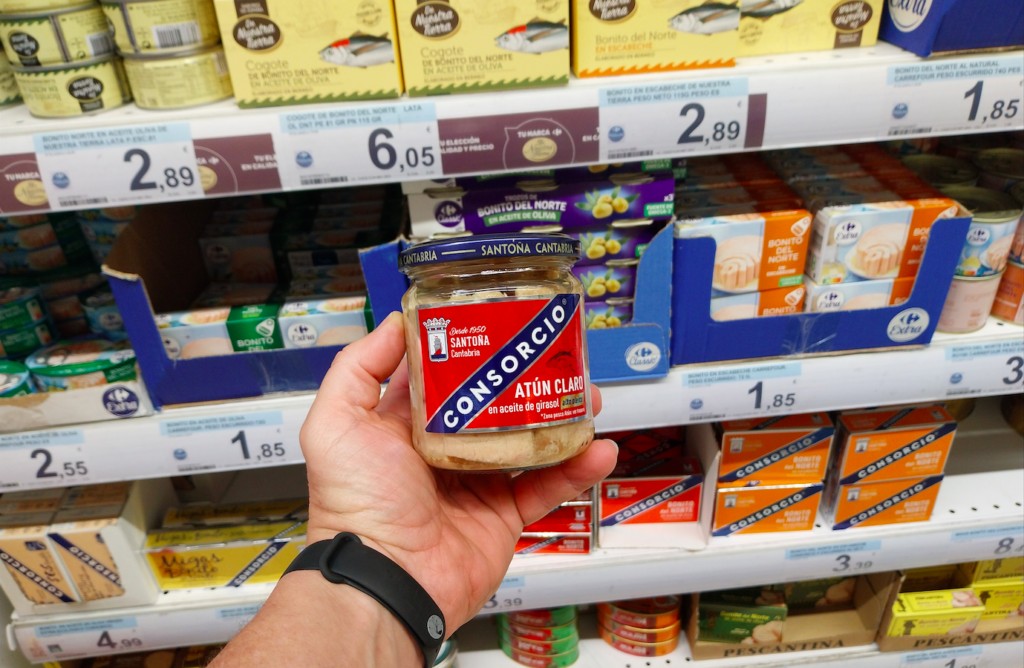
The OCU study examined 32 tins of light tuna in oil. Photo credit: Jose Rosa Vazquez
If you regularly reach for a tin of tuna when you need a quick lunch, you probably do not spend much time wondering whether one brand is actually better than another. They can look almost identical on the supermarket shelf, with the same promises of olive oil, quality tuna and an easy meal for a few euros.
But the price on the label does not necessarily tell you what you are getting. A major OCU analysis of 32 tins of tuna sold in Spain found clear differences between products, with some of the lowest-scoring options receiving just 64 points out of 100.
Three tuna products came bottom
The OCU study examined 32 tins of light tuna in oil, including 19 products in olive oil and 13 in sunflower oil. Researchers assessed everything from the tuna species and oil used to freshness, salt, labelling, the proportion of fish in each tin, physical defects and the results of professional tasting.
The lowest score went to Conservas Ortiz AOVE Eco, which received 64 points. OCU highlighted its relatively high salt content and shortcomings in its labelling, although no significant defects were found during the tasting assessment.
Next came Carrefour’s pack of tuna in sunflower oil, with 65 points. The product was marked down following the tasting assessment and because some defects were detected. OCU also noted that its competitive price did not translate into a quality level that matched the better-performing products.
Cabo de Peñas Aceite Eco scored 67 points. Its relatively high salt content and only acceptable labelling affected the result, while OCU also considered its price high compared with the quality offered.
The biggest problem was salt
Salt was one of the clearest weaknesses across the products tested. The average salt content was 1.04 per cent, while the Spanish Agency for Food Safety and Nutrition considers a food to have a high salt content when it exceeds 1.25 per cent. That does not mean the tuna tested was unsafe. In fact, OCU’s laboratory checks produced reassuring results on some of the issues consumers might worry about most.
Testing found that the fish in all 32 products belonged to authorised species for light tuna, while analysis of the fatty-acid profile confirmed that the oil used matched what was stated on the packaging. Histamine levels were low and mercury concentrations were well below the permitted maximum in every product examined.
Cheap tuna beat premium products
One of the more surprising findings was that spending more did not guarantee better tuna. For the olive-oil products, prices ranged from €11.39 to €42.95 per kilogram of drained tuna. OCU found that two supermarket own-brand products offered very good quality for less than €15 per kilogram: Sal de Plata from Aldi and Hacendado from Mercadona.
Sal de Plata received 86 points, making it the highest-rated product in the analysis, while Hacendado scored 85. Both were recognised for their quality and value for money. The findings also show why comparing the price of the whole tin can be misleading. Different packs may contain different amounts of actual tuna, so OCU compared prices according to the weight of drained fish rather than simply the size or price of the packet.
What should shoppers look for?
The organisation considers the overall quality of the products analysed to be good and says there are plenty of worthwhile options. Shoppers should pay attention to the salt content, the amount of tuna compared with the covering liquid and the information provided on the label. The study also found that good-quality tuna does not necessarily come with a premium price tag.
The important point for shoppers is that OCU has not found a safety problem with these tins. Its testing found no worrying levels of mercury or histamine in any of the 32 products, and all contained the type of tuna and oil stated on the label. The differences were mainly in quality, salt levels, labelling, taste and value for money.
Follow Euro Weekly News on Google News
Get breaking news from Spain, travel updates, and expat stories directly on your Google News feed.
Follow on Google NewsSign up for personalised news
Subscribe to our Euro Weekly News alerts to get the latest stories into your inbox!
By signing up, you will create a Euro Weekly News account if you don't already have one. Review our Privacy Policy for more information about our privacy practices.





Molly Grace
Molly is a British journalist and author who has lived in Spain for over 25 years. With a background in animal welfare, equestrian science, and veterinary nursing, she brings curiosity, humour, and a sharp investigative eye to her work. At Euro Weekly News, Molly explores the intersections of nature, culture, and community - drawing on her deep local knowledge and passion for stories that reflect life in Spain from the ground up.
Comments