UK could rejoin the EU just 10 years after Brexit as major reversal is proposed
By Molly Grace • Published: 28 Sep 2026 • 22:42 • 3 minutes read
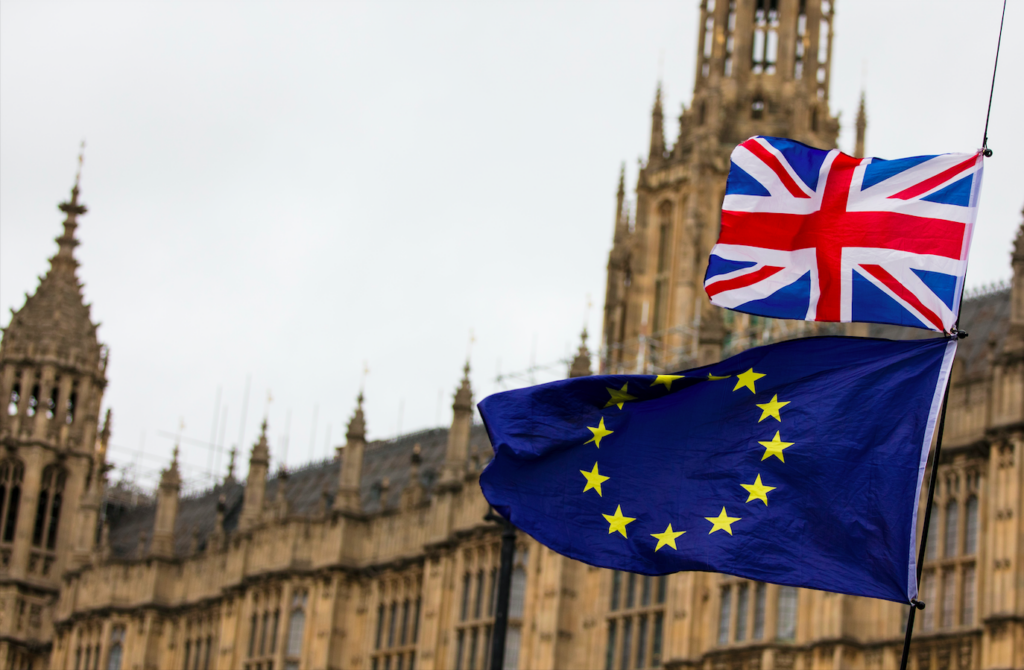
The debate has intensified as Labour's annual conference takes place in Liverpool. Photo credit: Ink Drop/Shutterstock
If you live in Spain and Brexit changed the way you work, travel or visit family in Britain, the idea of the UK joining the European Union again is not just something happening in Westminster. It could eventually affect some of the rules that have shaped life for millions of British citizens since the split.
Ten years after the 2016 referendum, the question of EU membership is back in serious political discussion, with former prime minister Tony Blair calling for Britain to work towards rejoining the bloc and current Prime Minister Andy Burnham refusing to rule out a future Labour manifesto commitment. But Britain is not preparing to rejoin the EU tomorrow. Any return would require negotiations with Brussels and agreement on the terms of membership.
Blair calls for a return within a decade
The latest development came from Tony Blair, who has called for the UK to make rejoining a “significantly reformed” EU a long-term objective. A new report from the Tony Blair Institute says Britain should work towards that ambition over the next decade, while also pursuing closer cooperation with Europe in areas such as defence, energy and technology.
The proposal is not for Britain simply to reverse Brexit and return under exactly the same arrangements it previously had. The report says a future return would involve accepting conditions including free movement and making a financial contribution to the EU, while also arguing that the EU itself should undergo reforms before Britain seeks membership again. That is an important distinction because Britain’s previous EU membership included several special arrangements and opt-outs that would not necessarily be available in a future accession.
Burnham leaves the door open
The issue has become more significant because Burnham has not ruled out Labour including a commitment to rejoin the EU in a future election manifesto. When asked about the possibility during a visit to New York last week, the Prime Minister said it was “for another day”, while stressing that his immediate priority was building a closer relationship with Brussels. Reuters reported that he stopped short of ruling out a future manifesto commitment.
Since taking office, Burnham’s government has already been pursuing closer links with European countries. The Prime Minister met European Commission President Ursula von der Leyen on September 22, with both sides discussing the forthcoming EU-UK summit and cooperation on security, migration, trade and artificial intelligence. The government has also repeatedly described closer relations with Europe as a priority, while stopping short of proposing EU membership.
Labour conference puts Europe back in focus
The debate has intensified as Labour’s annual conference takes place in Liverpool this week. Foreign Secretary Ed Miliband told delegates on Monday that Britain’s future lies in a “stronger and deeper” partnership with the EU, saying Europe is central to Britain’s geography and international relationships.
The Independent has reported that some senior ministers now see the question as one of how Labour might address rejoining in a future manifesto rather than whether the subject should be discussed at all. That is a report about internal Labour thinking, however, rather than a government decision to seek EU membership. For now, the government’s stated policy remains closer cooperation rather than rejoining.
What would it mean for Britons in Spain?
This is where the issue could become particularly relevant to EWN readers. A return to the EU would be a major change to the framework created after Brexit, but nothing has been agreed that would restore freedom of movement for British citizens living in Spain. Under the Blair Institute proposal, free movement would be part of the conditions for a future return.
That could therefore have significant implications for Britons wanting to live, work or study elsewhere in Europe, although those consequences would depend on the terms eventually negotiated between the UK and EU. It is also worth remembering that Britain cannot simply decide to rejoin on its own terms. EU membership would require an accession process and agreement among the existing member states.
Public opinion has also shifted
Polling suggests the conversation is taking place against a different public mood from the one surrounding the 2016 referendum. A June 2026 YouGov poll found that 55 per cent of Britons supported the UK rejoining the EU, compared with 34 per cent who opposed it. The same survey found even greater support for a closer relationship with Europe without actually rejoining. Ipsos similarly found in June that 52 per cent of Britons thought the UK should apply to rejoin the EU, while 33 per cent thought it should remain outside.
None of that amounts to a decision to reverse Brexit. But ten years after the referendum, EU membership has moved back into mainstream political debate in Britain, and for the millions of British people living in Spain and elsewhere in Europe, what happens next could eventually have very practical consequences.
Follow Euro Weekly News on Google News
Get breaking news from Spain, travel updates, and expat stories directly on your Google News feed.
Follow on Google NewsSign up for personalised news
Subscribe to our Euro Weekly News alerts to get the latest stories into your inbox!
By signing up, you will create a Euro Weekly News account if you don't already have one. Review our Privacy Policy for more information about our privacy practices.

Molly Grace
Molly is a British journalist and author who has lived in Spain for over 25 years. With a background in animal welfare, equestrian science, and veterinary nursing, she brings curiosity, humour, and a sharp investigative eye to her work. At Euro Weekly News, Molly explores the intersections of nature, culture, and community - drawing on her deep local knowledge and passion for stories that reflect life in Spain from the ground up.
Comments