Bat attacks surge 23% in Catalunya as Spain issues rabies warning
By Molly Grace • Published: 28 Sep 2026 • 23:55 • 3 minutes read
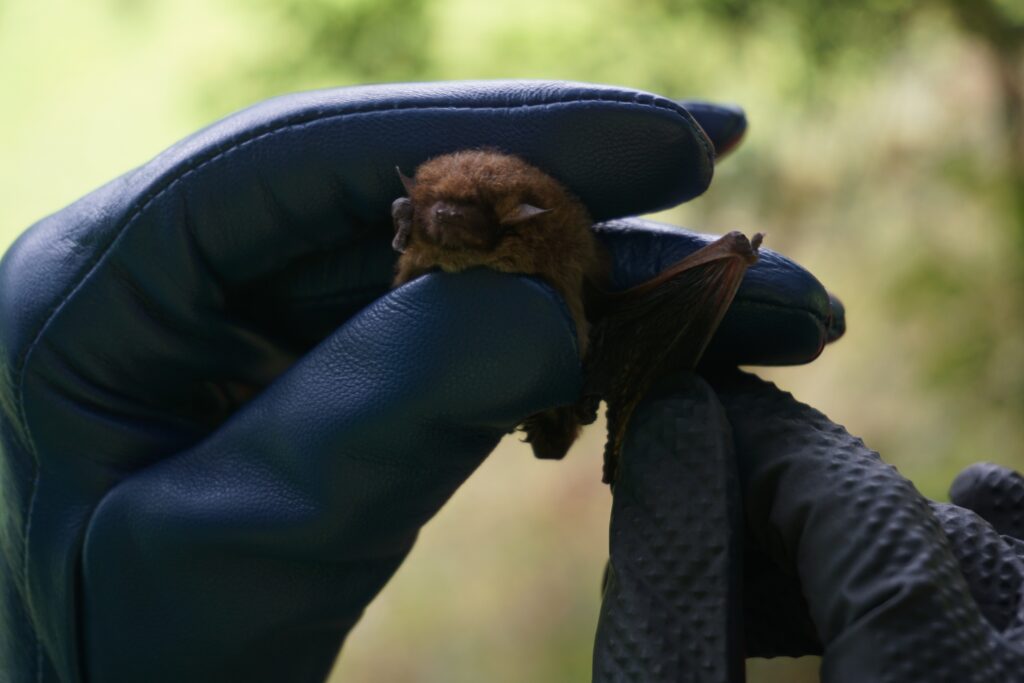
The presence of infected bats carrying European rabies virus has been confirmed sporadically in Catalunya. Photo credit: Tulip25/Shutterstock
A bite from a bat is probably not something most people in Spain expect to worry about, but new figures from Catalunya are putting these animals firmly on the health radar. Bat-related attacks have jumped by 23 per cent this year, with Salut warning that bats are the main local source of rabies risk.
There have already been 86 bat-related incidents between January 1 and August 12, compared with 70 during the whole of 2025. The increase does not mean rabies is spreading among people, but it has prompted health authorities to remind the public that contact with a bat should never be taken lightly.
Bats now account for almost half of attacks
The latest figures from Catalunya’s epidemiological surveillance network show that bats are responsible for a surprisingly large proportion of animal attacks recorded this year. Of the 198 animal attacks reported in Catalunya between January 1 and August 12, 86 involved bats. That represents 43 per cent of all incidents recorded in the region, compared with 56 involving dogs, which accounted for 28 per cent.
The proportion has also increased compared with last year. In 2025, bats were responsible for 70 of the 193 animal attacks recorded in Catalunya, equivalent to 36 per cent, while dogs accounted for 55. Across all animal exposures, the surveillance network had received 368 notifications by August 12 this year. Of those, 198 occurred in Catalunya, while the remaining 170 were linked to people travelling abroad, including countries where rabies remains endemic.
Why bats are causing concern
The important distinction is that Catalunya is not experiencing an outbreak of rabies The region has been free of endemic terrestrial rabies since 1978, although an infected dog imported from a country where rabies is present was detected in 2013.
The current concern is specifically linked to bats, in which lyssaviruses have been detected sporadically These viruses belong to the same group responsible for rabies and can cause a fatal neurological disease if infection occurs and treatment is not given before symptoms develop. That is why even a bite or scratch from a bat needs to be taken seriously.
Summer brings more encounters
The figures also show a seasonal pattern, twelve per cent of the animal bites notified this year occurred in June, rising to 20 per cent in July and 13 per cent in August. Salut says a significant proportion of the animal exposures reported this year have been considered to carry a risk of rabies transmission. Overall, 67 per cent of the notified exposures have required preventive treatment against the disease.
That figure includes not only contact with bats in Catalunya, but also people who were exposed to potentially infected animals while travelling in countries where rabies is endemic. Rabies is a serious disease because, once symptoms appear, it is almost always fatal. However, treatment following a risky exposure can prevent the disease from developing.
What should you do after contact?
The advice from Salut is simple: do not touch a bat, that applies even if the animal appears injured, sick or harmless. Anyone who finds a wild animal, including a bat, that appears to need help should contact the Agents Rurals rather than attempting to pick it up or rescue it themselves. If you are bitten or scratched by a bat, or its saliva comes into contact with an open wound or mucous membrane, wash the affected area immediately with plenty of water and soap. Medical attention should then be sought as soon as possible so the risk can be assessed and appropriate post-exposure treatment provided.
There is no need to panic around bats. They are an important part of Catalunya’s wildlife and most encounters do not mean that a person has been exposed to rabies. But with bat-related incidents already up by almost a quarter this year, Salut’s message is clear: admire them from a distance, and leave handling them to the professionals.
Follow Euro Weekly News on Google News
Get breaking news from Spain, travel updates, and expat stories directly on your Google News feed.
Follow on Google NewsSign up for personalised news
Subscribe to our Euro Weekly News alerts to get the latest stories into your inbox!
By signing up, you will create a Euro Weekly News account if you don't already have one. Review our Privacy Policy for more information about our privacy practices.





Molly Grace
Molly is a British journalist and author who has lived in Spain for over 25 years. With a background in animal welfare, equestrian science, and veterinary nursing, she brings curiosity, humour, and a sharp investigative eye to her work. At Euro Weekly News, Molly explores the intersections of nature, culture, and community - drawing on her deep local knowledge and passion for stories that reflect life in Spain from the ground up.
Comments