Digital Nomad Visa: Who qualifies and how to apply – 2025 Guide
By Farah Mokrani • Published: 07 Sep 2025 • 20:25 • 4 minutes read
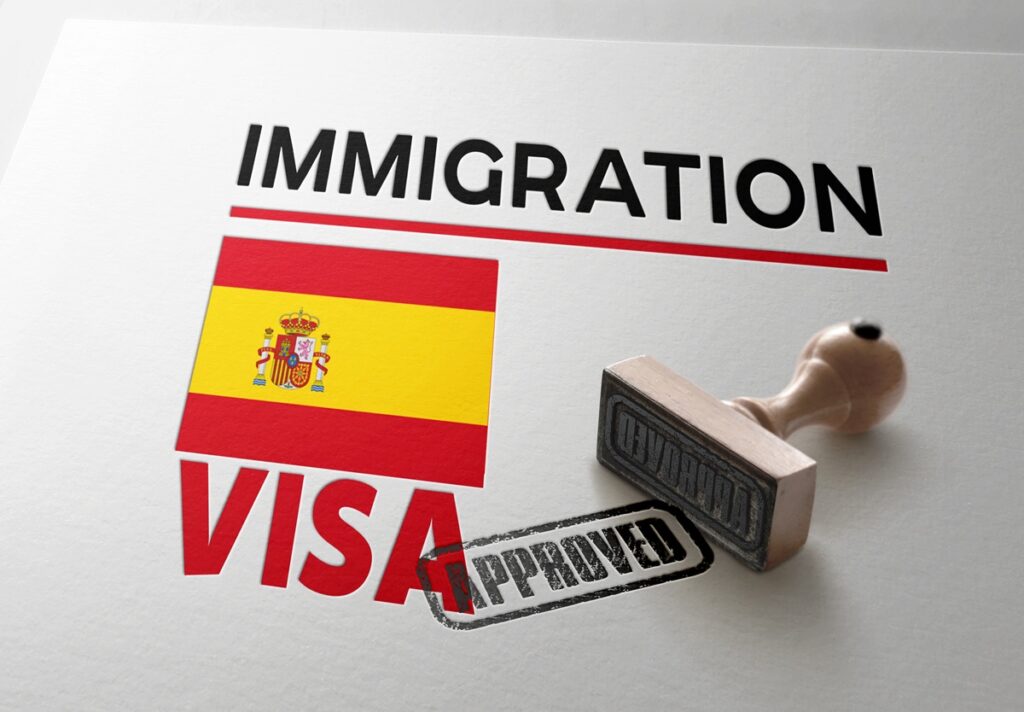
Spain’s Digital Nomad Visa: Your gateway to living and working in Spain Credit : Bradai Abderrahmen, Shutterstock
The dream of working from a laptop with a view of the Mediterranean is a powerful one. For years, people have been drawn to Spain for its incredible lifestyle – the food, the sunshine, the culture that values taking a proper break.
Since early 2023, that dream has become a much more concrete reality for many, thanks to Spain’s Digital Nomad Visa (DNV).
This visa has opened a new door for professionals from outside the EU. It offers a legitimate way to live and work remotely in Spain for up to five years, a far cry from the limitations of a 90-day tourist visa. It’s a proper residence permit that comes with some surprisingly good tax benefits and a potential route to long-term residency.
But how does it actually work? Let’s break down the realities of the Spanish Digital Nomad Visa for 2025, looking at who can apply, what you’ll need to earn, and how to tackle the application process without losing your mind.
So, Who can actually get this visa?
First things first, this visa is exclusively for non-EU/EEA citizens. If you hold a passport from an EU country, you already have the right to live and work in Spain. For everyone else – including Brits, Americans, Canadians, and Australians – this is the ticket.
The visa is aimed at people who can work from anywhere, as long as they have a laptop and an internet connection. The Spanish government has defined this pretty clearly, and you’ll generally fall into one of these camps:
- Remote Employees: You have a permanent or long-term contract with a company that is based and registered outside of Spain. Your boss is in London, but you want to be in Valencia. This is for you.
- Freelancers / Self-Employed: You work for yourself, providing services to various clients. The key here is that the bulk of your clients must be outside Spain.
There’s a very important rule to be aware of if you’re a freelancer: the 20 per cent rule. This means that a maximum of 20 per cent of your income can come from Spanish clients. The government wants to see that you’re bringing foreign income into the country, not just moving to Spain to compete in the local job market.
One of the best parts of the DNV is that you don’t have to come alone. The main applicant can bring their family along. This includes your spouse or registered partner and any dependent children. This makes it a genuinely practical option for families looking for a new adventure.
The big question: How much money do i need?
Let’s talk about the financial side of things. Spain needs to know you can support yourself without becoming a burden on the state. The income requirements are tied to the Spanish minimum wage (Salario Mínimo Interprofesional or SMI) and are checked regularly. For 2025, the monthly income you need to prove is:
- Single applicant: At least €2,760
- A couple (you + one dependent): You need to add €1,035, bringing the total to €3,797
- For every additional child: You need to add another €346 per child.
So, a family of four (two adults, two children) would need to show a stable monthly income of at least €4,489. You’ll need to prove this with bank statements, employment contracts, and payslips going back several months. They want to see consistent, reliable income.
Beyond the money, you also have to show you’re qualified for the work you do. This means providing either:
- A copy of your university degree.
- Proof of professional certifications.
- A detailed work history showing at least three years of experience in your field.
You’ll also need a stack of other documents, including a clean criminal record from the last five years, proof of private health insurance with a company that operates in Spain, and evidence that your employer or clients have been in business for at least a year. It’s a paperwork-heavy process, so being organised is key.
Getting it Done: The application process
You have two main ways to tackle the application, and the one you choose has a big impact on the length of your initial permit.
Option 1: Apply from home
This is the classic route. You gather all your paperwork, get official translations and apostilles (a type of international certification), and submit everything to the Spanish consulate in your home country. It’s a methodical process. If approved, you get a one-year visa stamped into your passport. Once you arrive in Spain, you then have to apply for your physical residency card (the TIE). This route is solid, but it involves more steps once you land.
Option 2: Apply while in Spain
This has become a very popular choice. You can enter Spain as a tourist and then apply for the DNV from within the country. You have to submit your application before your 90 days as a tourist are up, so you need to be on the ball. The big advantage? If you’re approved this way, you are granted a three-year residency permit right from the start. Many find this route faster and more straightforward, as the application is submitted digitally to Spain’s Large Business and Strategic Collectives Unit (UGE-CE).
Whichever path you choose, getting expert help from an immigration lawyer or a gestor (a professional who handles Spanish bureaucracy) can be a wise investment. They know the system inside out and can save you a world of stress.
A little bonus to mention is the tax situation. DNV holders who become tax residents (by spending 183+ days a year in Spain) can apply for the ‘Beckham Law.’ This special tax regime allows you to pay a flat tax rate of 24 per cent on your income up to €600,000. For many high-earning professionals, this is a significant saving compared to Spain’s standard progressive tax rates.
Spain’s Digital Nomad Visa is a fantastic opportunity, but it’s not a simple walk in the park. It requires serious preparation and a good deal of paperwork. However, for those willing to put in the effort, the reward is the chance to build a life in one of Europe’s most vibrant and welcoming countries.
Stay tuned with Euro Weekly News for more news from Spain
Follow Euro Weekly News on Google News
Get breaking news from Spain, travel updates, and expat stories directly on your Google News feed.
Follow on Google NewsSign up for personalised news
Subscribe to our Euro Weekly News alerts to get the latest stories into your inbox!
By signing up, you will create a Euro Weekly News account if you don't already have one. Review our Privacy Policy for more information about our privacy practices.



Farah Mokrani
Farah is a journalist and content writer with over a decade of experience in both digital and print media. Originally from Tunisia and now based in Spain, she has covered current affairs, investigative reports, and long-form features for a range of international publications. At Euro Weekly News, Farah brings a global perspective to her reporting, contributing news and analysis informed by her editorial background and passion for clear, accurate storytelling.
Comments
Md Mohsinul Haque
08 September 2025 • 12:20Excellent
Comments are closed.