Lithuania urges citizens to prepare bomb shelters amid rising fears of war with Russia
By Farah Mokrani • Published: 03 Oct 2025 • 20:23 • 2 minutes read
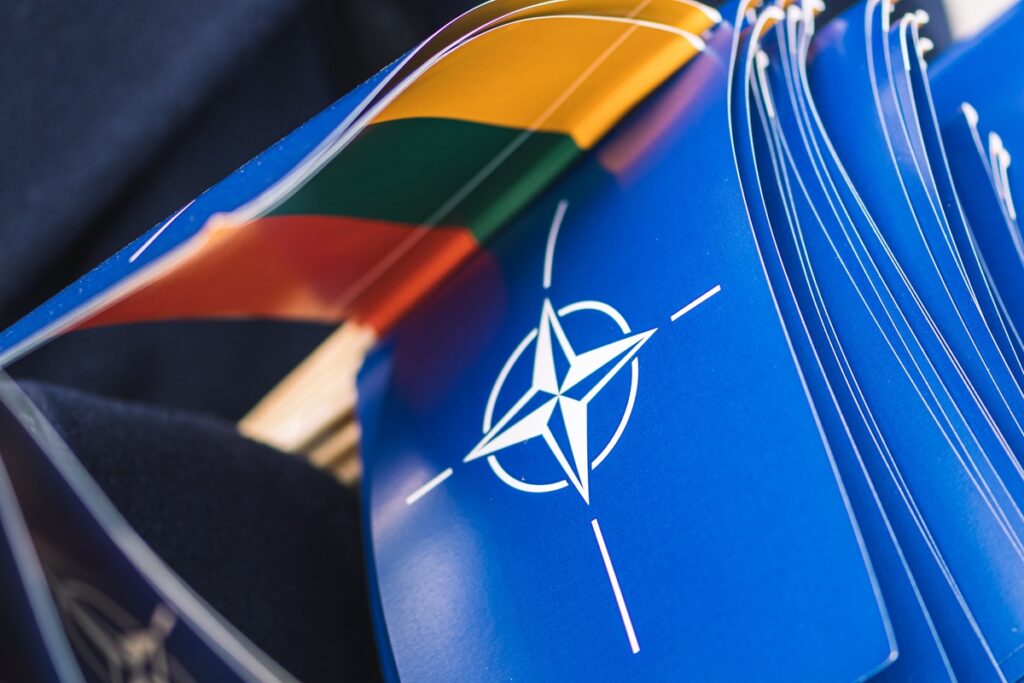
Lithuania steps up civil defence amid NATO tensions. Credit : Michele Ursi, Shutterstock
Lithuania is stepping up its civil defence plans and urging residents to prepare for the unthinkable: a possible conflict with Russia.
The government has confirmed that more than 6,400 shelters have now been identified across the country, spaces that could hold around 1.5 million people – just over half the population.
Officials say this is about being ready, not spreading panic. But with tensions on NATO’s eastern border rising and military manoeuvres taking place in neighbouring Belarus and Russia’s Kaliningrad exclave, the message is clear: people should know where to go, and what to do, if the worst happens.
Basements turned into shelters
In the capital, Vilnius, city authorities are already preparing. Dozens of basements are being converted into safe spaces, and the council says 32 sites could be opened within twelve hours if an alert was issued.
The Interior Ministry is funding new works, supplying equipment and training residents. The plan covers everything from evacuation procedures to ensuring that the most vulnerable – the elderly, children and those with disabilities – would be moved first.
For those able to help, the scheme also includes ways citizens could be called on to provide logistical support alongside emergency services.
“Preparation, not panic”
Officials are careful with their language. Donatas Gurevičius, from the country’s Fire and Rescue Service, has stressed that the campaign is about serious preparation without alarmism.
That balance is not easy. Many Lithuanians still remember the fear and uncertainty during the first days of Russia’s invasion of Ukraine. Now, the government is trying to make sure that if there is ever a similar threat to its own borders, people will already know the drill.
At the same time, the figures reveal the scale of the challenge: more than half of Lithuania’s municipalities still lack adequate shelter infrastructure. Closing that gap will take money, time and political will.
NATO’s front line
Lithuania’s location makes it one of NATO’s most exposed members. Sandwiched between Belarus and Kaliningrad, it is often described as the alliance’s front line.
The war in Ukraine has already transformed security policy across Europe, pushing countries to boost defence budgets and rethink old assumptions. For Lithuania, part of that has meant putting ordinary people at the heart of national resilience.
So while this latest campaign is not a declaration of emergency, it is a recognition of geography and reality. The shelters, evacuation plans and training sessions are all designed to send a signal: Lithuania is taking no chances.
Stay tuned with Euro Weekly News for more European news
Follow Euro Weekly News on Google News
Get breaking news from Spain, travel updates, and expat stories directly on your Google News feed.
Follow on Google NewsSign up for personalised news
Subscribe to our Euro Weekly News alerts to get the latest stories into your inbox!
By signing up, you will create a Euro Weekly News account if you don't already have one. Review our Privacy Policy for more information about our privacy practices.



Farah Mokrani
Farah is a journalist and content writer with over a decade of experience in both digital and print media. Originally from Tunisia and now based in Spain, she has covered current affairs, investigative reports, and long-form features for a range of international publications. At Euro Weekly News, Farah brings a global perspective to her reporting, contributing news and analysis informed by her editorial background and passion for clear, accurate storytelling.
Comments