The small online shopping habits that are costing people more money
By Farah Mokrani • Published: 17 May 2026 • 12:18 • 4 minutes read
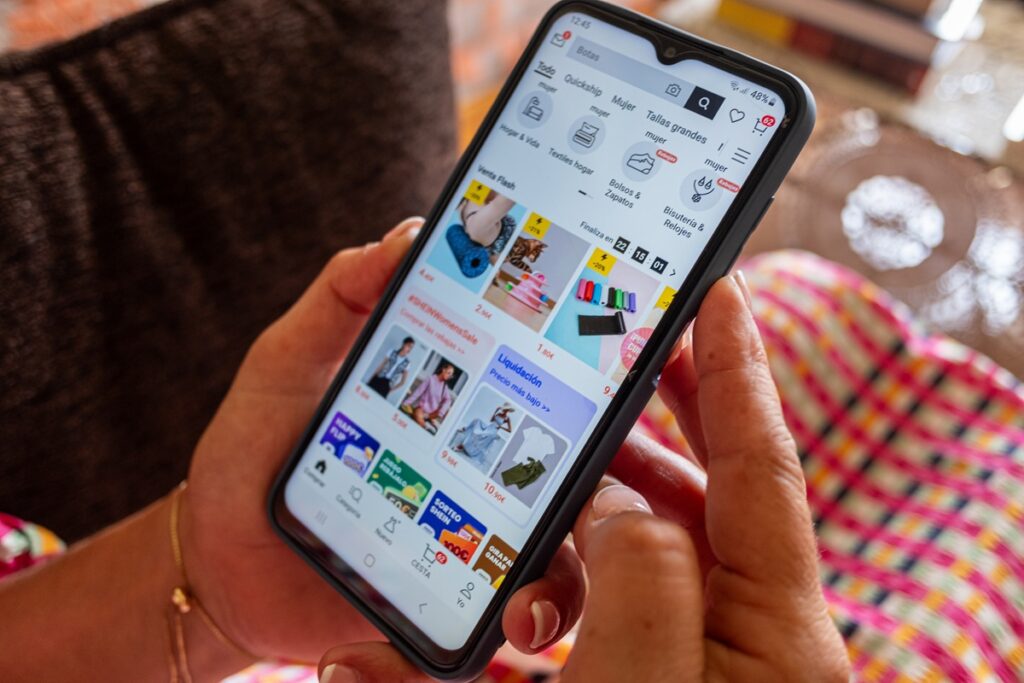
Consumer experts say impulse buying and fake discounts are among the online shopping habits quietly making purchases more expensive. Credit : VicVa, Shutterstock
Most people do not massively overspend online because they buy expensive things. Usually, it is the little decisions.
Buying too quickly. Trusting the first “discount” they see. Ordering something late at night because it suddenly feels urgent. Clicking checkout without properly comparing prices because honestly, nobody wants to spend half an hour opening ten different tabs anymore.
That is exactly what consumer experts say is happening more and more in Spain.
Online shopping became so normal that people often buy things almost automatically now. According to the latest ecommerce figures from IAB Spain, more than 75 per cent of internet users in the country shop online, and many do it regularly. But while shopping online feels easier than ever, avoiding overpaying became strangely harder.
Prices move constantly. Promotions appear everywhere. And shoppers are being pushed into faster decisions all the time.
To mark World Internet Day, celebrated today, 17 May, Spanish deals platform Chollometro warned that many consumers still fall into the same habits that quietly make online purchases more expensive than they need to be.
And honestly, most people probably recognise themselves somewhere in this.
A lot of online ‘offers’ are designed to make people panic buy
People like feeling they found a bargain.Retailers know that perfectly well.
That is why online shopping is now full of countdown clocks, red discount labels and warnings saying things like “almost sold out” or “five people are viewing this product right now”. The entire experience is designed to make shoppers feel they need to decide immediately.
Sometimes the offer genuinely is good.
Sometimes it really is the lowest price available. But not always.
A lot of consumers still assume that if something says “40 per cent off”, then it must automatically be worth buying. In reality, prices online change so frequently that many discounts are far less impressive than they first appear.
That is especially true during major sales periods.
Every Black Friday, for example, social media fills with screenshots showing products that supposedly dropped massively in price. Then people later discover the item cost almost the same a few weeks earlier.
The discount looked dramatic. The saving was not. Consumer experts say one of the easiest ways to avoid overspending is simply comparing prices properly before buying anything expensive.
The strange thing is that internet shopping should theoretically make this easier than ever. But convenience changed people’s behaviour. Most shoppers now value speed more than comparison.
Someone opens Amazon, sees the product available immediately and buys it within two minutes because it feels easy.
And usually, that is the end of the search.
People often buy things online far too quickly
One reason online shopping became expensive for some people is that there is barely any pause anymore between wanting something and buying it.
A few years ago, shopping involved more effort. People physically went into shops, looked around and had more time to think about whether they actually needed something.
Now someone sees a product once on Instagram, again on TikTok and then again in an advert later that evening and suddenly it feels impossible not to buy it.
That repetition matters. Retailers and platforms became extremely good at creating the feeling that delaying a purchase means missing out somehow. But in reality, waiting often saves money.
In categories like technology, fashion or home appliances, prices can fluctuate constantly during the same week. Something that feels expensive today may suddenly drop tomorrow because another retailer launches a promotion or stock levels change.
Chollometro says impatience is one of the biggest reasons shoppers overpay online. And honestly, it makes sense.
A lot of online shopping now happens while people are distracted anyway. Sitting on the sofa. Watching television. Scrolling before sleeping. Travelling on the train. Nobody is fully focused on making the smartest financial decision at that moment.
People are buying emotionally more often than they realise.
Reviews probably matter more now than the actual product description
Another mistake consumer experts highlighted is how many shoppers still buy things without properly checking reviews or user experiences first.
Official product pages rarely tell the full story anymore.
Everything looks good in professional photos. Everything sounds amazing in product descriptions. But customer reviews usually reveal the reality very quickly.
That cheap kitchen appliance that looked perfect may break after three months. Those trainers that appeared comfortable online may actually hurt after one hour outside. That “luxury” hotel deal may turn out to be next to a motorway.
Real buyers often explain things much more honestly than retailers do.
The same applies to pricing itself. A growing number of shoppers now rely on forums, comparison sites and online communities before making bigger purchases because prices online became so unpredictable. Flights, hotels, electronics and even basic household products can suddenly increase depending on demand, timing or browsing behaviour.
That unpredictability is part of why so many people now feel unsure whether they are actually getting a good deal anymore.
Manuel Zabala, co founder of Chollometro, says smart shopping today is not only about paying less. It is about understanding how online buying works and recognising when people are being pushed into rushed decisions. And maybe that is the real issue now.
Online shopping became so smooth and so fast that people barely notice how often they are being nudged towards spending more money.
Usually not through one huge purchase. Just through dozens of tiny decisions that feel harmless in the moment.
Follow Euro Weekly News on Google News
Get breaking news from Spain, travel updates, and expat stories directly on your Google News feed.
Follow on Google NewsSign up for personalised news
Subscribe to our Euro Weekly News alerts to get the latest stories into your inbox!
By signing up, you will create a Euro Weekly News account if you don't already have one. Review our Privacy Policy for more information about our privacy practices.





Farah Mokrani
Farah is a journalist and content writer with over a decade of experience in both digital and print media. Originally from Tunisia and now based in Spain, she has covered current affairs, investigative reports, and long-form features for a range of international publications. At Euro Weekly News, Farah brings a global perspective to her reporting, contributing news and analysis informed by her editorial background and passion for clear, accurate storytelling.
Comments