Barcelona declares war on Airbnb: 10,000 holiday homes to vanish by 2028
By Farah Mokrani • Published: 07 Oct 2025 • 12:43 • 3 minutes read
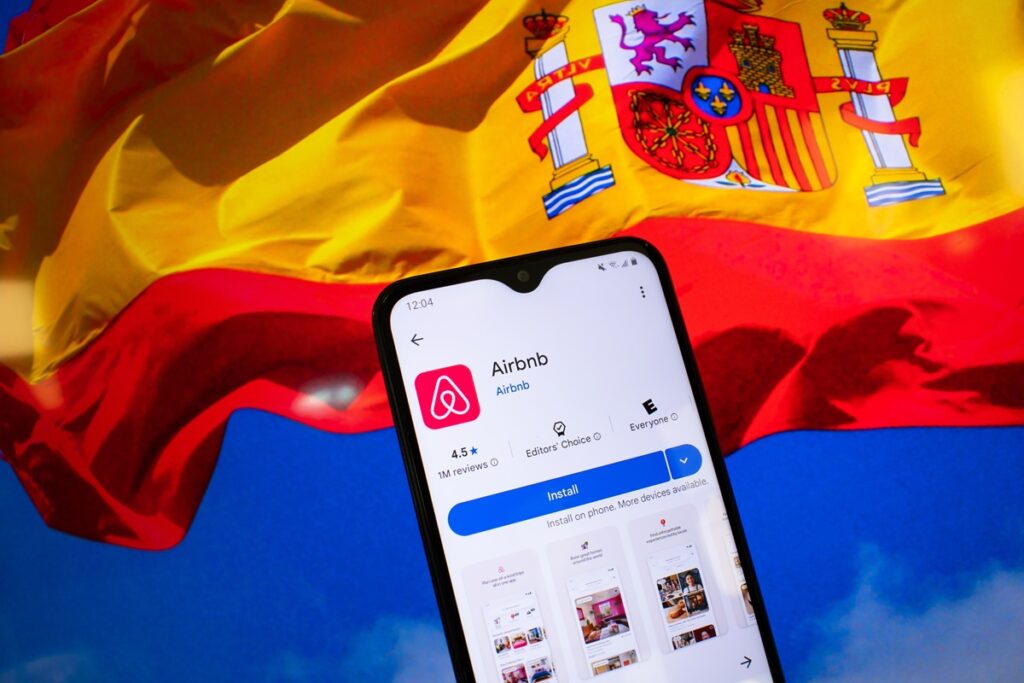
Barcelona moves to ban Airbnb-style rentals by 2028 as part of a major housing reform. Credit : Charles-McClintock Wilson, Shutterstock
Barcelona has just dropped a bombshell – and it could change the way the city lives, rents, and travels. Mayor Jaume Collboni has announced that by 2028, the city will ban all short-term tourist rentals, effectively ending the Airbnb era that helped turn Barcelona into one of the world’s most popular destinations.
It’s one of the boldest housing measures ever taken in Europe, and while some residents are cheering the move, others are warning that it could seriously hurt the city’s economy.
A radical move to ‘give homes back’ to locals
The plan is simple, at least on paper. Barcelona will phase out more than 10,000 tourist apartment licences over the next three years. Once 2028 arrives, those flats can no longer be rented to tourists – no exceptions.
In other words, the city’s famous short-term holiday lets, from Airbnb apartments to boutique rentals in Gothic Quarter and Eixample, will disappear entirely.
“We want to give housing back to residents,” Collboni said when unveiling the decision. “Barcelona cannot continue losing homes to tourism while young people and families are pushed out.”
The city has already notified Airbnb and other rental platforms about the decision, warning that licences won’t be renewed once they expire. Anyone caught renting out without authorisation after 2028 could face fines or even lose their property’s rental rights altogether.
Billions at stake and a fierce debate
But not everyone sees this as good news. According to a PwC report, tourist rentals currently generate €1.9 billion for Barcelona’s economy — about 1.9 per cent of its total GDP – and support more than 40,000 jobs across hospitality, retail, and entertainment.
The ban, critics say, risks gutting that economic lifeline. Restaurants, small shops, and nightlife venues that depend on visitors could all take a hit.
‘The impact will be felt far beyond landlords,’ one business association warned. “It’s about the waiters, cleaners, taxi drivers, and shop owners who live off tourism.”
The numbers back that up: PwC estimates tourist rentals bring in €331 million for restaurants, €181 million for retail, and €134 million for the city’s leisure and cultural sectors. Those figures represent a huge slice of Barcelona’s tourism-driven economy – and for many, they’re too big to ignore.
Still, Collboni’s government insists the move is necessary to fix what it sees as a broken housing market, where rents have surged by more than 70 per cent in the past decade. The mayor argues that the housing crisis has reached a point where bold action is unavoidable.
Is tourism really to blame for soaring rents?
That’s where things get complicated. The same PwC report, interestingly enough, questions whether tourist flats are really responsible for the rise in rent prices.
Between 2014 and 2023, the average rental price in Barcelona shot up by 72 per cent, while the number of tourist apartments increased by just 2.2 per cent – largely because the city had already frozen new licences and shut down thousands of illegal listings.
Neighbourhoods such as Eixample and Sant Martí, where rents have climbed the most, actually saw a decline or stabilisation in tourist housing numbers. The real problem, experts say, may lie elsewhere – in a stagnant housing supply, soaring demand, and a lack of affordable housing projects.
“The data shows that restricting tourist flats alone won’t solve the housing crisis,” a PwC analyst noted. “Barcelona needs more homes, not just fewer visitors.”
A defining moment for Barcelona’s future
Still, for many locals, the announcement feels like a long-overdue victory. Residents’ groups have been calling for tougher limits on tourism for years, saying the city has become overcrowded and unaffordable.
For others, it’s a risky experiment – one that could reshape Barcelona’s identity as a vibrant, international destination.
By 2028, the city that once embraced Airbnb as part of its modern, cosmopolitan image could become the first major European capital to ban short-term rentals entirely.
Whether it will bring down rent prices or simply drive visitors – and their money – to neighbouring towns remains to be seen.
One thing’s certain: Barcelona has declared war on Airbnb, and the world will be watching closely to see what happens next.
Stay tuned with Euro Weekly News for more news from Spain
Follow Euro Weekly News on Google News
Get breaking news from Spain, travel updates, and expat stories directly on your Google News feed.
Follow on Google NewsSign up for personalised news
Subscribe to our Euro Weekly News alerts to get the latest stories into your inbox!
By signing up, you will create a Euro Weekly News account if you don't already have one. Review our Privacy Policy for more information about our privacy practices.





Farah Mokrani
Farah is a journalist and content writer with over a decade of experience in both digital and print media. Originally from Tunisia and now based in Spain, she has covered current affairs, investigative reports, and long-form features for a range of international publications. At Euro Weekly News, Farah brings a global perspective to her reporting, contributing news and analysis informed by her editorial background and passion for clear, accurate storytelling.
Comments