Madrid to host key Ukraine ‘Coalition of the Willing’ Summit
By Harry Dennis • Published: 02 Nov 2025 • 21:38 • 2 minutes read
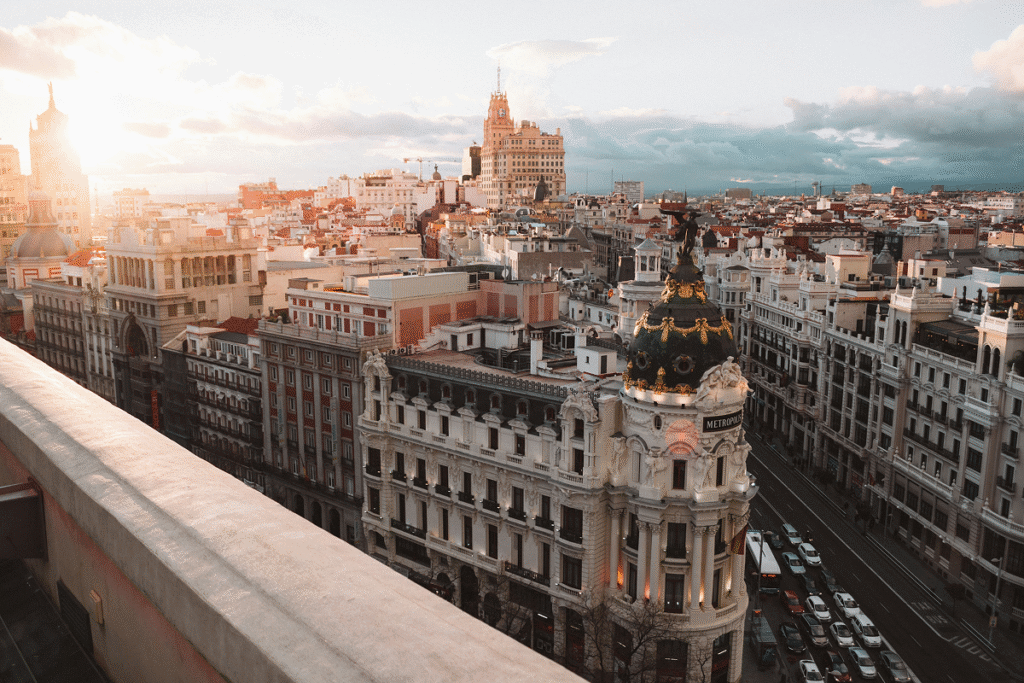
Madrid awaits the November 4 Coalition of the Willing summit. Credit: Alex Azabache via Unsplash
Leaders are to meet behind closed doors on November 4 as France, the UK and allies coordinate new security guarantees for Ukraine.
Spain becomes stage for strategic talks
Spain is set to host a high-level summit of the so-called Coalition of the Willing on Monday November 4, with representatives from more than 30 nations gathering in Madrid to discuss the next phase of international support for Ukraine.
The meeting – described by some outlets as “secret” due to its closed format – will take place at Spain’s Ministry of Foreign Affairs, focusing on two main blocks: urgent financial and defence needs, and the development of legal and diplomatic frameworks for long-term security guarantees.
While Ukrainian and Spanish officials have clarified that there is “nothing secret” about the gathering, attendance will be limited to political directors and senior diplomats, with delegates reportedly asked to leave phones and recording devices outside sessions.
France and the UK at the helm
The Coalition of the Willing – a grouping first proposed by Paris and London earlier this year – has grown into a forum of more than 30 nations aimed at shaping the post-war landscape of Ukraine’s defence and reconstruction.
French President Emmanuel Macron said in April that 26 countries have already signalled their readiness to participate in a future “reassurance force” once hostilities cease. The plan, he said, envisions multinational roles across land, air, sea, and cyber domains to deter renewed Russian aggression and secure post-war stability.
UK Prime Minister Keir Starmer has echoed the call for “concrete commitments,” emphasising logistics, finance, and sustained military support. Both governments have framed the initiative as a European-led step forward – complementing, rather than replacing, NATO’s protective umbrella.
A balancing act of diplomacy and deterrence
The Madrid meeting comes at a delicate moment for Ukraine and its allies. With the United States signalling a more hands-off approach in 2025, European leaders are increasingly positioning themselves as the drivers of a new security architecture that can operate even amid Washington’s shifting focus.
Analysts at the European Policy Centre and the Crisis Group describe these guarantees as “politically binding but militarily credible,” designed to trigger coordinated sanctions or immediate support if Russia were to attack again.
Think-tanks such as Poland’s Centre for Eastern Studies (OSW) have also cautioned that the coalition’s success depends on clear funding mechanisms, credible deterrence, and a unified command structure. The group’s emphasis, experts say, has quietly shifted from active intervention to post-conflict assurance.
Spain’s role and the path ahead
Madrid’s hosting of the talks reflects its growing diplomatic engagement in European security matters. Spain’s Foreign Minister José Manuel Albares participated in the coalition’s last meeting in October, reaffirming support for Ukraine’s sovereignty and European integration.
The summit is expected to result in a coordinated statement rather than major new troop announcements. Officials are likely to refine the coalition¡s operational scope, discuss the use of frozen Russian assets, and explore new financial frameworks for rebuilding Ukraine.
For Spain, the event underscores its position as a bridge between southern Europe and the wider EU defence strategy. For Ukraine, it marks another milestone in the long process of translating promises of solidarity into tangible, long-term protection.
Follow Euro Weekly News on Google News
Get breaking news from Spain, travel updates, and expat stories directly on your Google News feed.
Follow on Google NewsSign up for personalised news
Subscribe to our Euro Weekly News alerts to get the latest stories into your inbox!
By signing up, you will create a Euro Weekly News account if you don't already have one. Review our Privacy Policy for more information about our privacy practices.

Harry Dennis
Born in the UK and raised on the Cádiz coast, Harry brings his background in design, music, and photography to his writing for Euro Weekly News, sharing stories that celebrate culture and lifestyle across Spain and beyond.
Comments