Emergency numbers in Spain: The ultimate guide for expats and tourists
By Farah Mokrani • Published: 16 Nov 2025 • 15:21 • 4 minutes read
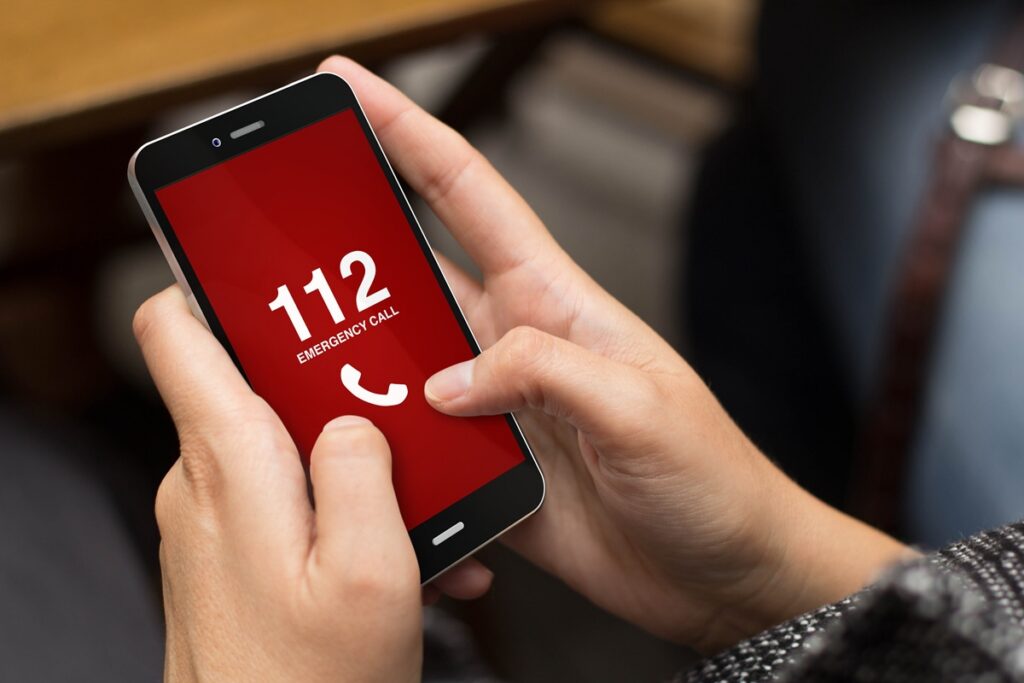
112, Spain’s main emergency number, connects you instantly to all services. Credit : McLittle Stock, Shutterstock
If you live in Spain or spend long stretches of time here, one of the smartest things you can do – long before you ever need it – is to understand how the country’s emergency system works. Spain’s network is fast, coordinated, and impressively foreigner-friendly. But when panic sets in, few people think clearly enough to Google what number to call or how to explain where they are.
So here’s the good news: this guide gives you everything you need to know – who to call, what happens when you do, and how Spain’s system quietly ranks among the best in Europe.
One number covers it all: 112
Let’s start simple. In Spain, 112 is the main emergency number, and it works across the entire European Union. You can dial it from any phone – mobile, landline, VoIP or even a payphone – and the call will go through even if you have no credit or signal. No prefix, no country code, just 112.
Once connected, the operator will ask what happened and direct your call to the right department – whether it’s medical services, the police, fire brigade, mountain or maritime rescue, or civil protection for weather-related emergencies.
If you’re outdoors, lost, or unsure where you are, don’t worry – Spain’s 112 system includes automatic geolocation, which pinpoints your location from your mobile device. This can be life-saving in rural areas, road accidents or hiking trails where addresses don’t exist.
Language won’t be a problem
One of the reasons Spain’s emergency network stands out is how accessible it is for foreigners. Operators at 112 can assist in over 50 languages, including English, German, French, Arabic, Chinese, Russian, and Romanian.
That means if you’re new to Spain or your Spanish isn’t perfect, you can still explain your situation clearly and be understood — something that can make a huge difference in a stressful situation.
If you can’t speak or hear: Spain’s accessibility options
For anyone who is deaf, hard of hearing, or unable to communicate verbally, Spain has a dedicated text-only emergency number: 679 436 200. It’s monitored around the clock, every day of the year.
Another great option is the AlertCops app, created by Spain’s Ministry of the Interior. It connects directly to the National Police and the Guardia Civil and is available in English. Through the app, you can report incidents such as theft, harassment, assault, hate crimes, or missing persons. You can even send a silent alert if you’re in danger and unable to speak.
The app also lets you share your location with trusted contacts and receive real-time alerts about nearby emergencies – like accidents, fires, or missing persons. It’s one of the smartest tools any expat or traveller can have on their phone.
Other key emergency numbers to remember
While 112 handles most emergencies, Spain still maintains some direct lines for specific services:
- National Police: 091 (for crimes, theft, identity fraud, and urgent situations)
- Local Police: 092 (traffic problems, disturbances, or lost property)
- Guardia Civil: 062 (rural policing, road safety, missing persons, environmental protection)
- Fire Brigade: 112, or sometimes locally 080 or 085
- Road info and traffic conditions: 011
- Red Cross Emergencies: 900 100 333
- Maritime Rescue (Salvamento Marítimo): 900 202 202
For non-urgent matters – like reporting a burglary after it happened or minor fraud – you can contact the National Police on 091 or go directly to the nearest police station. Some minor crimes can be reported online, though you’ll still need to sign the report in person.
Mental health, domestic violence and social emergencies
Spain has made huge strides in mental-health support in recent years. If you or someone you know is struggling, the national suicide prevention hotline (024) is available 24/7, free of charge and confidential. The line is staffed by trained professionals who can offer emotional support and guide you to further help.
Victims of gender-based or domestic violence can contact 016 – another free, confidential number that doesn’t appear on your phone bill. You can also reach the service via WhatsApp at 600 000 016 or email 016-online@igualdad.gob.es
. Operators offer legal guidance, psychological support and step-by-step help on how to report abuse.
For urgent mental-health crises – panic attacks, psychotic episodes, suicidal behaviour or extreme emotional distress – you should still call 112. Spain’s medical teams include psychiatric professionals who can intervene on-site or coordinate hospital care.
And for animal emergencies – whether it’s abuse, neglect or a dangerous situation involving wildlife or pets – contact the Guardia Civil’s SEPRONA division on 062.
Emergency support for British nationals
If you’re a British citizen and need urgent consular help – for example, if you’ve had a serious accident, been arrested, or lost your passport – you can reach the British Embassy in Madrid on 917 146 300.
It’s not part of Spain’s 112 network, but once you’re safe, the embassy can step in with guidance, contacts, or coordination with local authorities.
What happens when you dial 112
If you’ve never called 112 before, here’s what to expect. The operator will ask a few quick questions:
- “What happened?” – Keep it simple: “There’s been an accident,” or “Someone’s unconscious.”
- “Where are you?” – If unsure, describe nearby landmarks; the system will trace your mobile location.
- “How many people are involved?” – Helps dispatch the right number of responders.
- “Is anyone in danger?” – Determines priority.
- “Are you safe right now?” – Operators can guide you until help arrives.
It’s a calm, structured process designed to get help to you as quickly as possible.
Practical tips every expat should know
Save 112 as a favourite on your phone.
Install the AlertCops app and enable location access.
Keep your home address written somewhere visible – it’s easy to forget under stress.
If you live in the countryside, note GPS coordinates or kilometre markers for quick reference.
And make sure visiting friends or relatives know how to call 112 too.
Emergencies can be unpredictable, but being prepared turns chaos into calm. It’s also worth noting that in some emergencies, you may need to call several times before getting through.
Follow Euro Weekly News on Google News
Get breaking news from Spain, travel updates, and expat stories directly on your Google News feed.
Follow on Google NewsSign up for personalised news
Subscribe to our Euro Weekly News alerts to get the latest stories into your inbox!
By signing up, you will create a Euro Weekly News account if you don't already have one. Review our Privacy Policy for more information about our privacy practices.



Farah Mokrani
Farah is a journalist and content writer with over a decade of experience in both digital and print media. Originally from Tunisia and now based in Spain, she has covered current affairs, investigative reports, and long-form features for a range of international publications. At Euro Weekly News, Farah brings a global perspective to her reporting, contributing news and analysis informed by her editorial background and passion for clear, accurate storytelling.
Comments