Patients in Spain could have to switch medicine brands or pay extra
By Harry Dennis • Published: 21 Jul 2026 • 17:28 • 3 minutes read
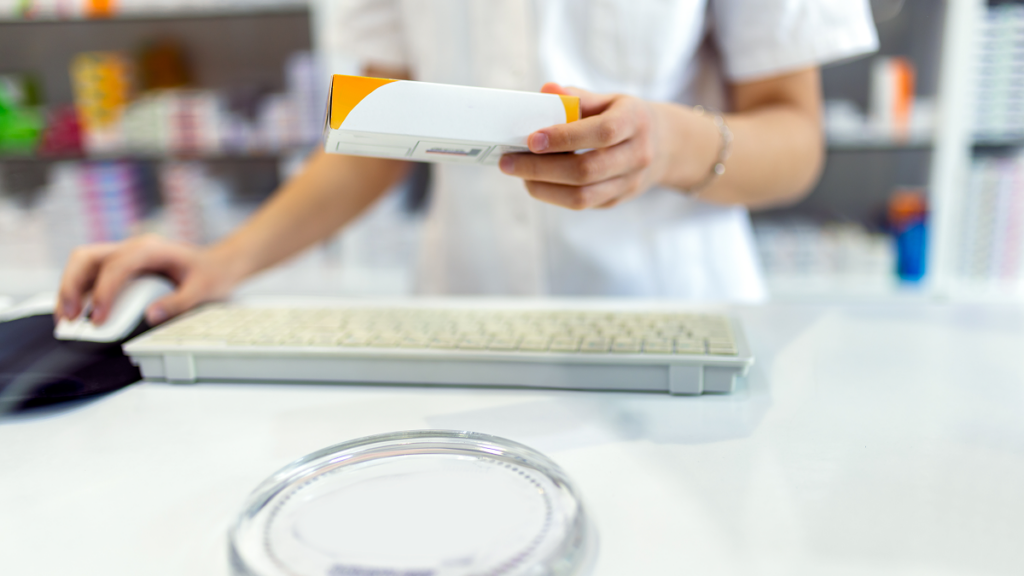
The familiar box could start to cost extra. Credit: adriaticfoto / Shutterstock
Patients collecting prescriptions in Spain could eventually be offered a cheaper publicly funded medicine or asked to pay more for their preferred brand. The government-backed reform would introduce price competition between equivalent medicines, potentially changing a familiar conversation at pharmacy counters across the country.
Why a familiar medicine brand could add to the pharmacy bill
Collecting a regular prescription in Spain could soon involve a new decision between accepting an equivalent medicine covered by the public health system or paying extra to take home a preferred brand. Under the government’s proposed medicines reform, equivalent products containing the same active ingredient would no longer necessarily be sold at the same price. The Ministry of Health would establish a publicly financed price range, allowing cheaper generic medicines to compete against familiar branded products.
Patients choosing a medicine within that range would continue paying only their normal prescription contribution. Anyone specifically requesting a more expensive product outside it could be charged the difference on top of their usual copayment. This could particularly affect older patients, people managing several prescriptions and foreign residents who recognise their medication by its brand name, packet or colour rather than its active ingredient.
The change will not appear at pharmacy counters immediately. Spain’s Council of Ministers approved the bill on Tuesday, July 21, but it must now pass through Parliament, where its wording can still be amended. Individual price ranges and an implementation date have also not yet been published.
Not every branded medicine would carry an extra charge
Under the proposed system, equivalent medicines containing the same active ingredient and administered in the same way could be sold at different prices. The Ministry of Health would establish a maximum amount covered by the National Health System, known in Spain as the Sistema Nacional de Salud (SNS). Patients accepting the cheapest medicine, or another option inside that financed range, would pay only their normal income-based prescription contribution.
A patient specifically requesting a more expensive brand outside the financed range could still receive it, but would have to pay the difference between its price and the financed alternative. That amount would be added to the usual copayment.
This does not mean that every branded medicine would automatically cost more. A recognised brand priced inside the financed range could still be covered normally. The additional charge would apply only when the requested product costs more than the public system’s limit.
A different packet should still contain an equivalent medicine
The prospect of receiving a different box may concern patients who have used the same product for years, especially older people managing several prescriptions or foreign residents already navigating Spanish medicine names.
A generic medicine is not simply an untested cheaper copy. The European Medicines Agency requires it to contain the same active substance in the same quantity and pharmaceutical form as the reference medicine, with bioequivalence demonstrated.
Its name, packaging, colour or inactive ingredients can nevertheless look different. Anyone concerned about an allergy, an excipient or an unfamiliar tablet should check with the pharmacist or prescribing doctor rather than stopping or altering treatment independently.
For British residents, asking for the active ingredient rather than relying solely on a UK brand name can also make conversations at a Spanish pharmacy easier.
Spain wants cheaper generics to gain ground
Spain’s current system often leaves equivalent branded and generic medicines at the same price, giving patients little financial reason to choose one over another. The bill would also introduce “dynamic pricing”. Prices for some off-patent medicines could be reduced further as generics gain market share, with the Health Ministry citing possible thresholds of 50 and 70 per cent.
The Organisation for Economic Co-operation and Development found that generics accounted for more than three-quarters of medicines sold in the UK, Germany and several other countries in 2023. Spain remains below that group.
Spain’s National Commission for Markets and Competition (CNMC) estimated that increasing the generic share to 70 per cent could save approximately €1.8 billion annually. Its model attributed around €1.2 billion of that saving to the public health service and €602 million to patients, although those are projections rather than guaranteed savings.
Patients will have to wait to see which brands cost more
The bill also covers medicine shortages, earlier access to some innovative treatments, limited prescribing powers for nurses and physiotherapists, and exceptional home delivery for patients unable to travel.
The bill’s passage through Parliament will determine when the system begins and whether its details change. Once the first financed price ranges are published, patients will be able to see which familiar brands remain covered and which could come with an additional charge.
Follow Euro Weekly News on Google News
Get breaking news from Spain, travel updates, and expat stories directly on your Google News feed.
Follow on Google NewsSign up for personalised news
Subscribe to our Euro Weekly News alerts to get the latest stories into your inbox!
By signing up, you will create a Euro Weekly News account if you don't already have one. Review our Privacy Policy for more information about our privacy practices.




Harry Dennis
Born in the UK and raised on the Cádiz coast, Harry brings his background in design, music, and photography to his writing for Euro Weekly News, sharing stories that celebrate culture and lifestyle across Spain and beyond.
Comments