Spain’s 2026 financial shake-up : Banks must report cards, accounts, loans and mobile payments to Hacienda
By Farah Mokrani • Published: 25 Nov 2025 • 15:58 • 3 minutes read
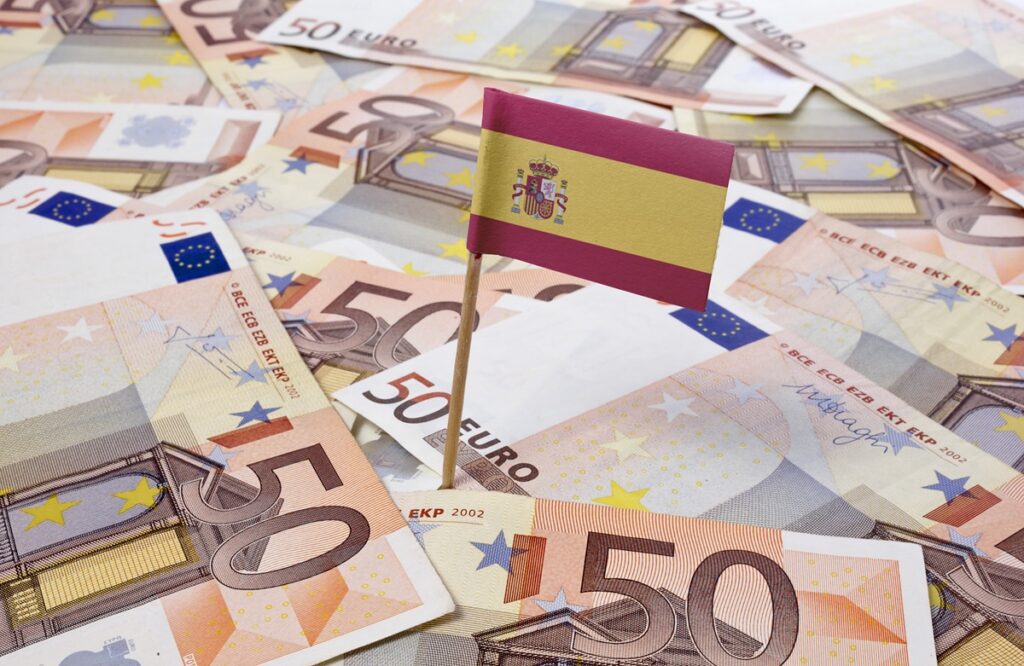
Spain strengthens financial oversight as tighter reporting rules loom for 2026. Credit : Per Bengtsson, Shutterstock
Huge changes are coming to Spain’s financial oversight system in 2026, and they will affect anyone with a bank account, a credit card or even a mobile payment app. The Spanish Tax Agency (AEAT) has officially confirmed that banks, card issuers and financial operators will be required to report far more information, following the approval of Royal Decree 253/2025.
If you thought Hacienda already knew a lot, 2026 will take things to a new level.
A new era of financial transparency begins in 2026
The Ministry of Finance, led by María Jesús Montero, announced the reforms in its official note, “Modificaciones en materia de obligaciones de información”, published on April 2 2025. The goal is clear: tackle tax fraud and prevent money laundering by tightening how transactions are monitored.
Until now, reporting obligations focused mostly on standard bank accounts. But the updated rules expand surveillance to cards, digital wallets, loans, cash movements and mobile-linked payments, all under clear legal thresholds.
The biggest change is found in the newly updated Article 38 ter, which requires banks and financial providers to file an annual report on all card transactions – credit, debit, deferred debit, prepaid or digital money – ‘in any currency’, as the legal text states.
But there is a cutoff: Only cards exceeding €25,000 in total annual movements (charges or deposits) must be reported.
Below that threshold, nothing changes. Above it, all details go straight to Hacienda.
What gets reported?
The regulation lays it out bluntly:
– Contract number
– Full identity of the cardholder
– Type of card
– PAN (card number)
– Total annual charges
– Total annual deposits
– Linked account (IBAN)
In other words, authorities won’t see individual purchases, but they will know how much moved through that card – and who owns it.
Not just cards: Account balances, loans and mobile payments also enter the radar
This is where many residents have misunderstood the reform. The new decree doesn’t only target cards. It also updates Articles 37, 38 and 38 bis, widening the scope dramatically.
Full reporting on bank accounts
Under the updated Article 37, banks will have to provide:
– Identity of every account holder
– Account status
– Balance as of 31 December
– Average balance for the last quarter
– Total charges and total deposits throughout the year
This is, by far, the most significant expansion of routine financial reporting in years.
Loans, credits and cash movements
Updated Article 38 includes mandatory reporting of:
– All loans and credits
– Any significant cash movements
For residents who move money regularly between accounts or rely on personal loans, this means the data will now be centralised and visible to tax authorities.
Mobile payments now treated like card transactions
Finally, Article 38 bis brings mobile-number-based payments—Bizum being the most common – into the reporting framework.
For anyone using mobile payments daily, this means your overall annual activity (not each individual payment) may be reported if it crosses the combined thresholds.
Why Hacienda says this is necessary
The ministry argues that Spain’s rise in electronic transactions, contactless services and digital wallets has made existing rules outdated. Without updated thresholds and a broader scope, large flows could move undetected.
Officials insist the aim is not to monitor small consumers, but to track:
– unusually high volumes,
– suspicious transaction cycles,
– and potential money laundering pathways.
For everyday residents, nothing changes unless your overall annual movements surpass the €25,000 threshold – and even then, it’s just bulk totals, not itemised spending.
What it means for residents and expats in Spain
For most people, the changes won’t be noticeable. But for those who regularly:
– use several cards,
– rely on Bizum for high-value business payments,
– shift savings between accounts,
– or keep high balances across multiple banks…
…2026 will bring much stricter oversight.
Financial advisers are already recommending that clients track their annual totals carefully to avoid surprises once banks begin forwarding this new set of data.
The changes won’t bring new taxes, but they close information gaps that previously made it easier for irregularities to slip through.
A more transparent – and more monitored – Financial landscape
Spain is aligning itself with EU-wide financial transparency trends. From 2026 onwards, your bank will act as a full reporting agent. Transactions, account balances and movements will be summarised and sent automatically to Hacienda every year.
For anyone living in Spain, this means fewer grey areas, fewer loopholes – and a lot more clarity on what the Tax Agency can see.
Follow Euro Weekly News on Google News
Get breaking news from Spain, travel updates, and expat stories directly on your Google News feed.
Follow on Google NewsSign up for personalised news
Subscribe to our Euro Weekly News alerts to get the latest stories into your inbox!
By signing up, you will create a Euro Weekly News account if you don't already have one. Review our Privacy Policy for more information about our privacy practices.





Farah Mokrani
Farah is a journalist and content writer with over a decade of experience in both digital and print media. Originally from Tunisia and now based in Spain, she has covered current affairs, investigative reports, and long-form features for a range of international publications. At Euro Weekly News, Farah brings a global perspective to her reporting, contributing news and analysis informed by her editorial background and passion for clear, accurate storytelling.
Comments
Algoz
25 November 2025 • 16:59How much more regulation? It’s like living in a communist state….
Gra
25 November 2025 • 21:55“The changes won’t bring new taxes”
Love this one! You believe in Santa Claus?
Chinese Boss
28 November 2025 • 23:22Why not ask to China more tips how to track everybody?
Comments are closed.