Three-metre shark spotted off the coast of popular Spanish tourist hotspot
By Molly Grace • Updated: 22 Apr 2026 • 23:39 • 4 minutes read
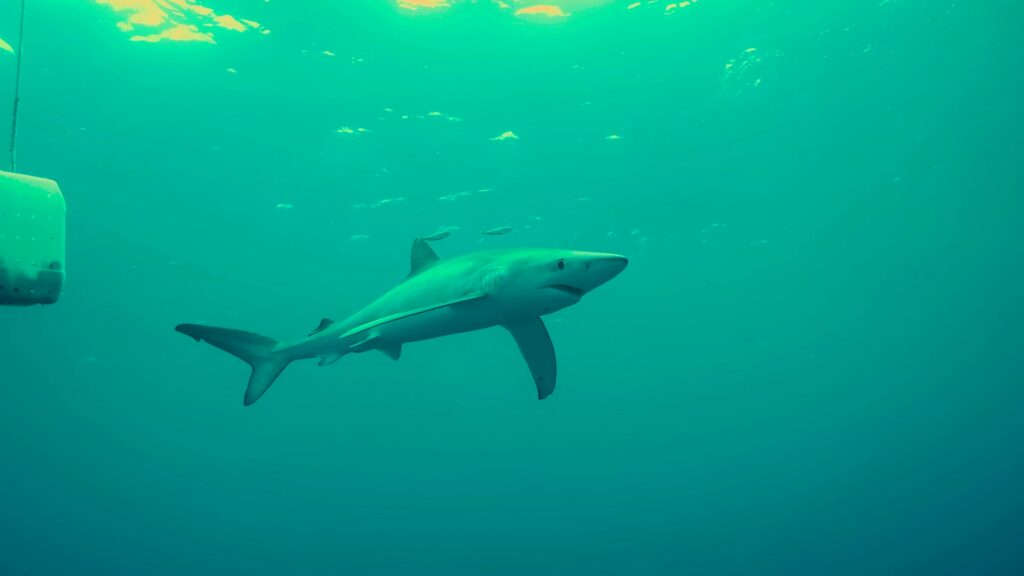
the shortfin mako is typically associated with open water. Photo credit: Saur0n/Shutterstock
A shark reported to be around three metres long has been sighted off the coast of Almuñécar in southern Spain, with local reports identifying the animal as a shortfin mako shark (Isurus oxyrinchus). The sighting has drawn attention along Granada’s Costa Tropical, although no beach closures or public safety warnings had been announced at the time of publication.
According to reports, the shark was seen well offshore rather than near bathing areas. A distance of around four miles from the coast places the animal far from beaches and swimming zones used by residents and tourists.
Reported species:
The shortfin mako is one of the fastest shark species in the world and is known for its powerful build and streamlined shape. It is found in temperate and tropical seas, including parts of the Mediterranean. The species is also among the sharks considered threatened in the Mediterranean, where several shark and ray populations have declined sharply over recent decades because of overfishing, bycatch and slow reproduction rates.
While sightings can generate alarm, the shortfin mako is typically associated with open water rather than crowded coastal shallows. Animals seen offshore are often passing through wider marine routes rather than approaching beaches.
Other sharks found in the Mediterranean
Although rarely seen by beachgoers, the Mediterranean is home to around 20 species of shark. Among the better-known species recorded in the region are the great
- white shark
- thresher shark
- hammerhead sharks
- blue shark
- tope shark
- angel shark
- basking shark
- dogfish species
- and the shortfin mako.
Most live offshore, in deeper waters, or migrate through the basin seasonally. Encounters close to beaches remain uncommon compared with the size of the coastline and the number of people who enter the sea each year.
Critically endangered sharks in the Mediterranean
The shortfin mako is one of a number of shark species facing serious conservation pressure in the Mediterranean Sea. Marine conservation bodies have repeatedly warned that the region has experienced some of the steepest shark declines in the world.
Species including the shortfin mako, angel shark, hammerhead species and others are listed as threatened or critically endangered depending on the population assessed. Because many sharks mature slowly and produce relatively few young, depleted populations can take many years to recover.
Still sold in Spain
Despite conservation concerns, several shark species continue to appear in Spanish fish markets and restaurants, often under common commercial names rather than the Spanish word for shark ”Tiburón”.
Shortfin mako is frequently sold under the name marrajo. Blue shark commonly known as tintorera in Spain, while dogfish species can appear as cazón, a name familiar to many diners through traditional dishes such as bienmesabe in parts of Andalucía. The use of local culinary names means some consumers may not immediately realise they are eating shark species.
Fishing rules vary depending on species, quota systems, origin of catch and whether the product comes from domestic waters or international supply chains. Conservation groups have long argued for stronger protections, clearer labelling and tighter enforcement.
Why sightings happen in southern Spain
Waters off southern Spain form part of an important marine corridor between the Atlantic Ocean and the Mediterranean Sea. This area supports tuna, smaller fish and other prey species that can attract larger predators.
Marine animals may also become more visible depending on sea conditions, seasonal migration and feeding behaviour. An offshore sighting does not necessarily indicate unusual activity. Experts often note that many sharks travel long distances and may surface briefly before continuing on their route.
Shark attacks in Spain: recorded incidents and context
Confirmed shark attacks in Spain are rare, but there have been isolated incidents over the years, mostly involving bites rather than fatal attacks.
One of the most widely reported recent cases happened in 2023 near Alicante, where a swimmer was bitten and injured offshore. Media reports suggested the animal may have been a blue shark (Prionace glauca), although species identification in such incidents is not always formally confirmed.
There have also been earlier reports in the Canary Islands and along parts of the Mediterranean coast involving surfers, swimmers or divers who suffered minor bites or contact injuries after encounters with sharks.
In many cases worldwide, and in Spain, the cause of a bite is believed to be one of the following:
- Mistaken identity – a shark may confuse a swimmer or surfer with prey, particularly in poor visibility.
- Defensive reaction – if the animal feels trapped, hooked or threatened,or if the swimmer is in ”their” territory
- Feeding activity nearby – presence of bait fish, discarded catch or fishing activity can attract predators.
- Curiosity – some sharks investigate unfamiliar objects using their mouths.
Fatal attacks
Fatal shark attacks in Spain are extremely unusual, with no regular pattern comparable to countries such as Australia, South Africa or parts of the United States.
Why this matters for Almuñécar
The reported shark off Almuñécar was seen several miles offshore, which is very different from an incident involving an animal in a bathing zone. Most sightings in Spanish waters do not lead to aggressive encounters, and authorities assess risk based on distance from shore, species and behaviour. Unless further sightings are reported nearer the shoreline, the incident is likely to remain an isolated offshore observation.
For now, the central facts are that a large shark identified in reports as a shortfin mako was seen off Almuñécar, it remained offshore, and no official danger to the public was announced.
Sign up for personalised news
Subscribe to our Euro Weekly News alerts to get the latest stories into your inbox!
By signing up, you will create a Euro Weekly News account if you don't already have one. Review our Privacy Policy for more information about our privacy practices.





Molly Grace
Molly is a British journalist and author who has lived in Spain for over 25 years. With a background in animal welfare, equestrian science, and veterinary nursing, she brings curiosity, humour, and a sharp investigative eye to her work. At Euro Weekly News, Molly explores the intersections of nature, culture, and community - drawing on her deep local knowledge and passion for stories that reflect life in Spain from the ground up.
Comments