Rare endangered shark spotted in Barcelona port raises questions for beach season
By Dora Urbancsek • Published: 21 Apr 2026 • 9:03 • 2 minutes read
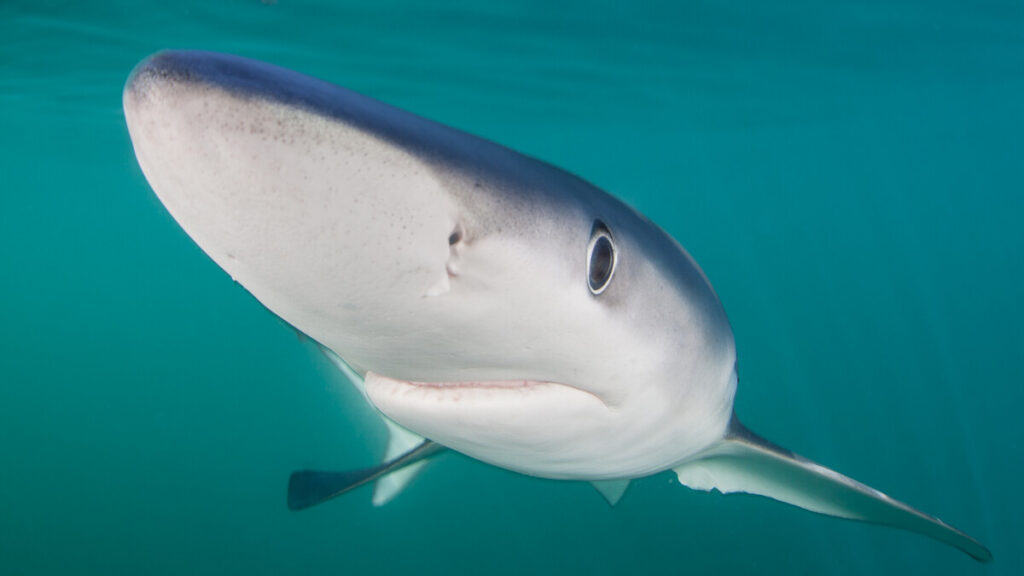
A rare blue shark was spotted inside Barcelona’s Port Olimpic, an unusual location for the species Credit: Shutterstock/Ethan Daniels
Marine biologists confirmed the sighting of a juvenile blue shark in Port Olímpic on Monday, April 20, 2026, marking a rare encounter with one of the Mediterranean’s most threatened species. Although listed as Critically Endangered, the blue shark is a pelagic predator that typically avoids humans, and Barcelona City Council has clarified that no beach closures are planned for the upcoming May bank holiday.
For the expat community, the sighting serves as a reminder of shifting marine patterns; authorities warn that if you spot a shark near the shore, you must maintain a 25-meter distance and immediately call 112 to alert the maritime rescue services.
Why this sighting is unusual
Blue sharks are typically found in deeper offshore waters rather than near busy coastal infrastructure such as marinas and urban ports. Their presence so close to shore is considered uncommon, particularly in a high-traffic area like Port Olimpic.
Marine specialists suggest that such sightings can be linked to several factors, including changes in water temperature, shifting prey patterns or temporary disorientation. In some cases, younger or weaker individuals may move closer to the coast, especially if currents or food sources change unexpectedly. Despite the initial alarm the word “shark” may cause, experts stress that this species does not usually pose a threat to humans. Encounters are extremely rare, and there have been no incidents linked to this sighting.
Where blue sharks usually live and move
The blue shark, known scientifically as Prionace glauca, is one of the most widely distributed shark species in the world. It is typically found in temperate and tropical waters across the Atlantic Ocean, including the Mediterranean Sea, but usually far from shore. These sharks are highly migratory, capable of travelling thousands of kilometres in search of food and favourable water conditions. In the Mediterranean, they are more commonly recorded in deeper offshore zones rather than near coastal cities.
Occasional sightings closer to land have been reported in other parts of Spain, including the Balearic Islands and the eastern coastline, although these events remain relatively rare. When they do occur, they are often linked to seasonal changes, prey movement or environmental factors affecting the wider marine ecosystem.
What it means for residents and visitors
For visitors and expats living along the Spanish coast, the sighting is unlikely to have any direct impact on daily life or beach safety. Authorities have not issued any warnings or restrictions following the appearance of the animal. However, the presence of an endangered species so close to shore highlights broader environmental changes affecting the Mediterranean. Scientists have increasingly pointed to warming waters and ecosystem shifts as factors influencing marine behaviour. Barcelona’s coastline, like many parts of Spain, experiences a significant rise in activity during the summer months, making any unusual wildlife appearance more visible.
A sign of changing marine patterns
While isolated sightings are not uncommon globally, experts note that they can offer insight into the health and movement of marine ecosystems. The appearance of a blue shark in a port environment may indicate changes in feeding zones or migration routes.
Environmental organisations, including the International Union for Conservation of Nature, continue to monitor these developments closely, as endangered species such as the blue shark remain vulnerable to overfishing and habitat disruption. For now, the sighting remains an unusual but controlled situation, with no indication of risk to the public.
Follow Euro Weekly News on Google News
Get breaking news from Spain, travel updates, and expat stories directly on your Google News feed.
Follow on Google NewsSign up for personalised news
Subscribe to our Euro Weekly News alerts to get the latest stories into your inbox!
By signing up, you will create a Euro Weekly News account if you don't already have one. Review our Privacy Policy for more information about our privacy practices.




Dora Urbancsek
Dora Urbancsek is an SEO writer with over eight years of experience producing high-quality, search-optimised journalism and digital content. Based in Spain for more than five years, she covers a wide range of topics concerning Spain and Europe, including current affairs, community stories, culture, and lifestyle. Dora is known for accurate, well-researched reporting that keeps readers informed and engaged.
Comments