Spanish tourist loses leg after shark attack during Maldives diving excursion
By Molly Grace • Updated: 17 Apr 2026 • 13:05 • 4 minutes read
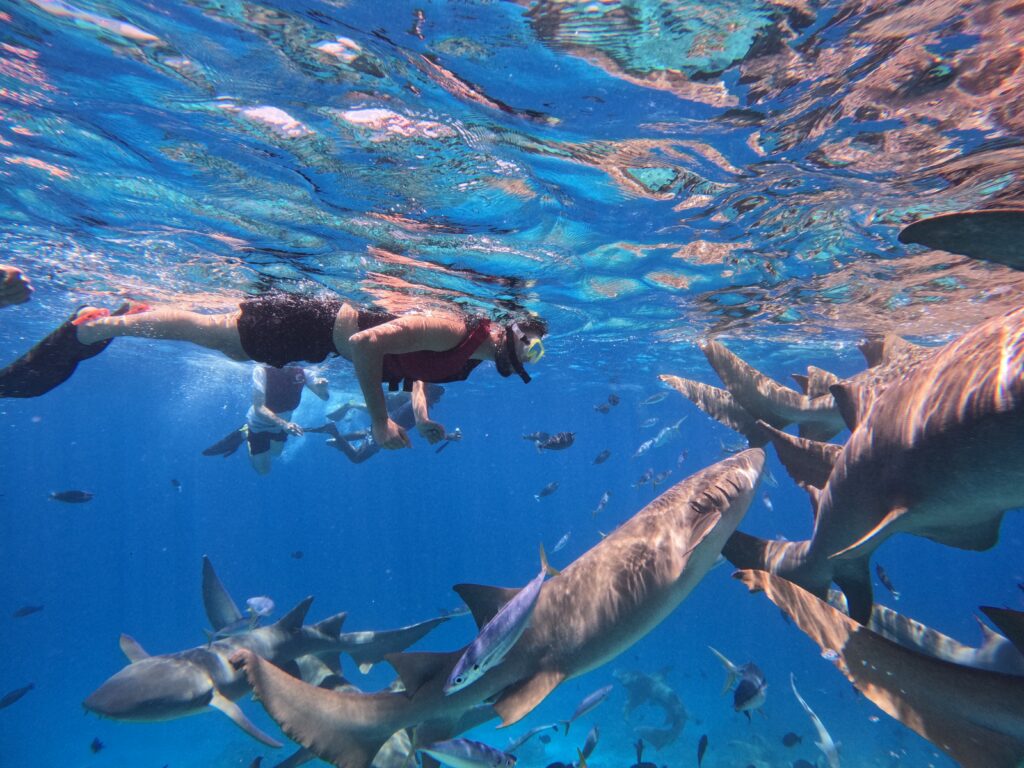
Even the docile nurse shark can cause a serious bite if harassed. Photo credit: IlluminatiXXX/Shutterstock
A Spanish tourist has lost a leg after being attacked by a shark while taking part in a diving excursion in the Maldives, according to reports published by Spanish media citing agency information.
The victim, a 31-year-old man from Alicante, was taking part in a marine activity in the Maldives when the attack occurred. He was reportedly in open water at the time of the incident. Emergency assistance was provided following the attack, and the man was taken for medical treatment. He suffered severe injuries to both legs, one of which later required amputation.
Medical treatment following emergency response
After the attack, the injured tourist received initial assistance before being transferred for medical care. Reports indicate that the severity of the injuries made it necessary to amputate the affected leg.
He remained under medical supervision following the procedure. No further complications have been publicly confirmed in the available reports at the time of publication. The incident occurred during a holiday trip in the Maldives, a destination known for diving and marine tourism activities. Authorities and local services responded after the alarm was raised.
Circumstances of the diving excursion
The attack took place during a water-based activity organised as part of a tourist excursion. The man was participating in an outing in an area where marine life is present, including shark species native to the region.
Details reported by Spanish media indicate that the incident occurred while the group was in the water. The exact species of shark involved has not been confirmed in the available reports.
The Maldives is a popular location for diving and snorkelling, with organised excursions operating daily across various atolls. These activities typically take place in open water conditions under supervision from local operators.
Response from travel and activity operators
Following the incident, attention has focused on the circumstances of the excursion and the safety protocols in place during marine activities. According to reports, the victim’s family has indicated that they intend to seek clarification regarding the organisation of the trip.
No formal statement from the excursion operator has been included in the initial media coverage cited in Spanish reports. However it has been confirmed that local authorities have opened an investigation into the incident.
Shark attacks in the Maldives are considered rare, though the region is home to many species, including reef sharks and nurse sharks commonly found around diving sites. Most interactions with humans do not result in serious injury.
Spanish national among victim group
The injured man is identified in reports as a Spanish national from Alicante. He was travelling in the Maldives at the time of the incident, reportedly on a holiday trip.
Spanish consular services are typically involved in cases where nationals require medical assistance abroad, although no detailed public statement from consular authorities has been included in the available reports.
The Maldives is a frequent destination for European tourists, particularly for honeymoon travel and diving holidays, due to its marine biodiversity and clear water conditions.
Safety context in marine tourism areas
Marine excursions in the Maldives are regulated by local tourism operators and often include briefings and supervision by guides. Activities such as diving, snorkelling, and open-water swimming are conducted across designated areas.
While shark sightings are not unusual in these waters, serious incidents involving tourists remain uncommon. When they do occur, they are typically associated with unexpected wildlife encounters in open-water conditions.
Authorities and tour operators generally advise participants to follow guidance provided before entering the water, including maintaining group proximity and avoiding contact with marine wildlife.
Experts give their input
Speaking to Euro Weekly News, Claire Marshall, a marine biologist in the Maldives, says that sharks, especially the harmless whale shark, are commonly observed in the region, particularly in reef and open-water environments where diving and snorkelling take place.
She notes that human activity, and not respecting guidelines, can influence marine behaviour in the area. According to the biologist, practices such as feeding marine life, touching, or coming into close contact with sharks during tourist excursions are discouraged by environmental authorities. “Unfortunately, despite these guidelines, we are still seeing a lot of harassment to our native wildlife and little to no respect for the rules.” These activities can alter natural behaviour patterns in locations where wildlife is regularly exposed to human presence.
Claire continues: “Sharks rarely attack without warning. Not understanding animal behaviour and diving in areas that may be their hunting grounds can trigger defensive behaviour in certain species, which, if ignored, can lead to attacks.”
She also stressed that shark behaviour is unpredictable and that incidents involving injuries to humans, while rare, can occur in open-water environments where marine life is present.
She added: “I’m not saying that this is what has caused the attack, but it is something that could certainly influence it.”
Ongoing reporting and verification
Information about the incident has been reported through Spanish media outlets citing agency material. Further details, including the exact sequence of events leading to the attack, have not yet been fully clarified in public reporting.
At the time of publication, no additional updates regarding the victim’s condition beyond the surgical outcome have been confirmed.
The case remains under media scrutiny in Spain due to the severity of the injuries and the circumstances of the holiday excursion.
Sign up for personalised news
Subscribe to our Euro Weekly News alerts to get the latest stories into your inbox!
By signing up, you will create a Euro Weekly News account if you don't already have one. Review our Privacy Policy for more information about our privacy practices.




Molly Grace
Molly is a British journalist and author who has lived in Spain for over 25 years. With a background in animal welfare, equestrian science, and veterinary nursing, she brings curiosity, humour, and a sharp investigative eye to her work. At Euro Weekly News, Molly explores the intersections of nature, culture, and community - drawing on her deep local knowledge and passion for stories that reflect life in Spain from the ground up.
Comments